Podem hackear o meu telemóvel? Sinais, riscos e o que fazer em 2026
Podem hackear o meu telemóvel? Sim, e a maioria das vítimas não dá por isso. Conheça os 7 sinais de um telemóvel comprometido, como os atacantes entram e os passos exactos para os bloquear.
TL;DR
Sim, o seu telemóvel pode ser hackeado, normalmente através de links de phishing, aplicações maliciosas, Wi-Fi público, ataques de SIM-swap ou palavras-passe reutilizadas expostas em fugas de dados. Sinais de alerta incluem bateria a esgotar-se subitamente, aplicações desconhecidas, cobranças inesperadas e códigos 2FA não solicitados. A resposta é em camadas: alterar palavras-passe a partir de um dispositivo limpo, activar uma aplicação autenticadora, auditar as aplicações instaladas e contactar o operador.
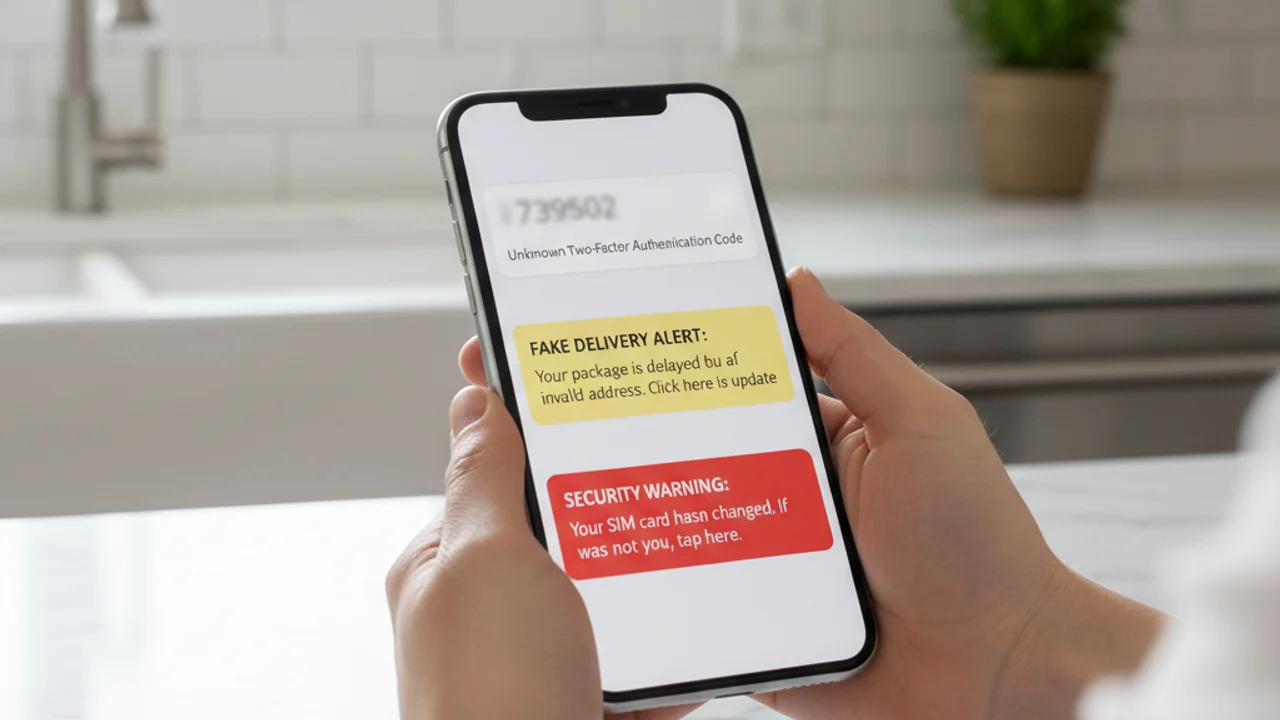
Olha para o telemóvel e repara em três SMS com códigos de dois factores que nunca pediu. A bateria, que há uma hora estava completamente carregada, está a 41%. A aplicação do banco pede-lhe para iniciar sessão outra vez. Nada disto é aleatório. Alguém está a testar as fechaduras da sua vida digital, e a resposta a "podem hackear o meu telemóvel" é incómoda: sim, e a maioria das vítimas só dá por isso quando o dinheiro já desapareceu.
Segundo o relatório Consumer Sentinel Network de 2024 da FTC, os consumidores norte-americanos perderam mais de 1,03 mil milhões de dólares em fraude e roubo de identidade que começou num ou através de um dispositivo móvel. Os atacantes não precisam de acesso físico ao seu telemóvel. Precisam de um momento de distracção, um link em que se clica, uma aplicação instalada, uma palavra-passe reutilizada, uma chamada ao operador, e o resto é alavancagem.
O seu telemóvel pode realmente ser hackeado?
Sim. A palavra "hackeado" cobre um espectro amplo, e perceber de que tipo se trata é importante porque a resposta é diferente. Um telemóvel moderno com o sistema operativo actualizado é genuinamente difícil de comprometer só com código, existem exploits do sistema operativo, mas são caros, raros e reservados para alvos de alto valor. O "hack" do dia a dia que a maioria das pessoas sofre não é um exploit zero-day remoto. É um roubo de conta, um sequestro de SIM, spyware instalado por alguém com breve acesso físico, ou uma aplicação maliciosa que a vítima foi enganada a instalar.
Segundo o relatório de crime na Internet de 2024 do FBI, os ataques dirigidos a dispositivos móveis têm crescido todos os anos nos últimos cinco anos, com o phishing e o roubo de conta como categorias dominantes. A ameaça não é o facto de o seu iPhone ou Android ser inseguro por natureza, é o facto de a pessoa que o utiliza poder ser enganada, e o atacante só precisa de ganhar uma vez.
A boa notícia: o mesmo factor humano que torna o hack possível também torna a prevenção possível. A maioria dos ataques a telemóveis bem sucedidos depende de a vítima realizar uma acção específica, um toque, uma instalação, a introdução de uma palavra-passe. Reconheça o padrão e o ataque desmorona-se.
Como se hackeia um telemóvel em 2026
Há cinco vias de ataque que respondem pela grande maioria das intrusões em telemóveis em 2026. Saber como cada uma funciona é a base para se defender de todas elas.
Links de phishing e smishing. Uma mensagem de texto diz ser do seu banco, do seu operador, de uma empresa de entregas ou de uma autoridade fiscal. O link leva a um clone quase perfeito da página de login real. Introduz as suas credenciais. O atacante fica com elas, mais qualquer código 2FA que reencaminhe. Segundo o relatório State of the Phish de 2024 da Proofpoint, as tentativas de smishing aumentaram 318% ano após ano, e uma percentagem significativa de destinatários continua a clicar.
Aplicações maliciosas. Aplicações instaladas fora das lojas oficiais, versões modificadas de jogos populares, ferramentas falsas de "actualização do sistema" e até alguns intrusos ocasionais que escapam às análises das lojas oficiais podem transportar spyware, stalkerware ou trojans bancários. Uma vez instaladas, estas aplicações pedem permissões alargadas e recolhem silenciosamente credenciais, capturas de ecrã e conteúdo de SMS.
Ataques de SIM-swap. O atacante contacta o seu operador móvel, faz-se passar por si usando dados pessoais recolhidos em fugas de dados e redes sociais, e convence o representante do operador a transferir o seu número para um cartão SIM controlado pelo atacante. Em poucos minutos, todos os códigos 2FA por SMS passam a chegar a ele, não a si. Segundo o FBI IC3, a fraude por SIM-swap causou mais de 48 milhões de dólares em perdas reportadas nos EUA em 2024, e esta categoria está sistematicamente subreportada porque muitas vítimas inicialmente culpam o operador.
Reutilização de credenciais de fugas de dados. Todos os anos, milhares de milhões de combinações de e-mail e palavra-passe são expostas em fugas de dados. Se reutiliza a mesma palavra-passe em vários sites, um atacante que compre uma base de dados exposta pode entrar no seu e-mail, depois na sua cópia de segurança na nuvem, depois na sua conta iCloud ou Google, depois no seu telemóvel, tudo sem sequer tocar no dispositivo.
Wi-Fi público e redes fraudulentas. Um ponto de acesso fraudulento num café, aeroporto ou hotel pode intercetar tráfego não encriptado, injectar conteúdo malicioso em páginas web e recolher tokens de sessão de aplicações com sessão iniciada. Embora a maioria das grandes aplicações use agora HTTPS e certificate pinning, a ameaça persiste em aplicações mais antigas, e-mail não encriptado e páginas de phishing em captive-portals.
7 sinais de que o seu telemóvel foi hackeado
Uma única anomalia raramente basta para confirmar um compromisso, os telemóveis são ruidosos e muitos sintomas têm explicações inofensivas. Mas dois ou mais dos seguintes a aparecerem juntos na mesma semana é um sinal forte:
Recebeu SMS, link ou vídeo suspeito? Analise em truvizy.app antes de tocar.
Como o Truvizy ajuda a detectar o ataque antes de acontecer
A defesa mais forte contra um hack ao telemóvel é travar o ataque antes de tocar no link ou instalar a aplicação. A detecção com IA do Truvizy foi construída exactamente para este momento de decisão. Quando chega um SMS suspeito, um alerta de "entrega de encomenda", um aviso de "segurança do banco", um vídeo de uma celebridade a oferecer uma oportunidade de investimento, uma mensagem de um recrutador a propor um emprego bom demais para ser verdade, pode colar o link ou carregar o vídeo para o Truvizy em truvizy.app e obter um veredicto em segundos.
A análise multicamada do Truvizy identifica os padrões comuns às campanhas de phishing móvel: domínios de login falsificados, conteúdo gerado por IA usado para construir credibilidade falsa, modelos de phishing reciclados e capturas de ecrã de aplicações fraudulentas. O Truvizy já sinalizou vídeos activos de recrutamento para SIM-swap, portais bancários falsos e códigos QR de recolha de credenciais em várias campanhas. Passe qualquer link, imagem ou vídeo sobre o qual tenha dúvidas pelo Truvizy antes de agir. O veredicto chega mais depressa do que o atacante consegue reagir.
O que fazer se o seu telemóvel foi hackeado
Se suspeitar de um compromisso, a ordem das operações é importante. Siga estes passos a partir de um dispositivo limpo, um portátil, um tablet ou o telemóvel de um familiar de confiança, nunca a partir do próprio telemóvel suspeito:
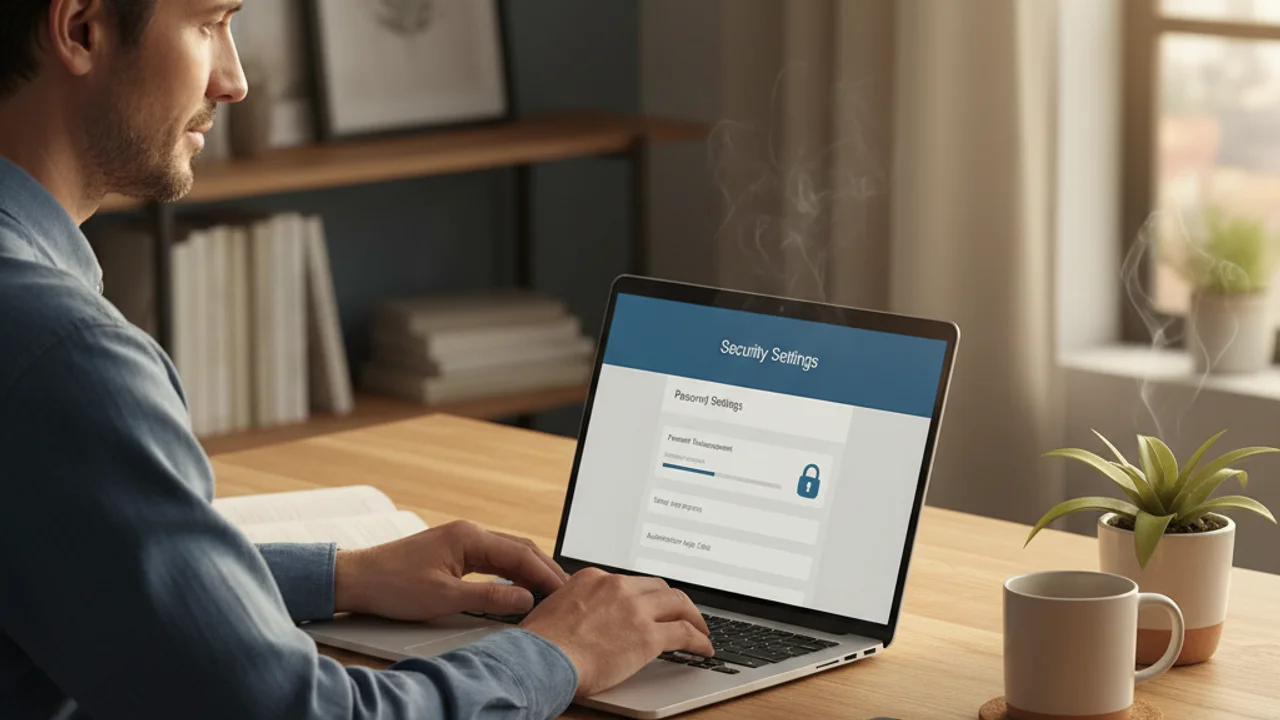
1. Mude primeiro a palavra-passe do seu e-mail principal. O seu e-mail é a via de recuperação de quase todas as outras contas. Se o atacante o tiver, qualquer outra tentativa de reposição fica comprometida. Use um gestor de palavras-passe para gerar uma substituição longa e única.
2. Mude do 2FA por SMS para uma aplicação autenticadora. Os códigos SMS podem ser intercetados por atacantes de SIM-swap e por spyware num telemóvel comprometido. Use o Google Authenticator, o Authy, ou uma chave de segurança física em qualquer conta que o suporte. Segundo as orientações da CISA sobre autenticação multifactor , a MFA baseada em aplicação ou hardware é drasticamente mais resistente a phishing do que o SMS.
3. Ligue ao seu operador e peça um PIN de portabilidade. Trata-se de um código secreto separado, exigido antes de o seu número poder ser movido para um novo SIM. Todos os grandes operadores dos EUA (Verizon, AT&T, T-Mobile) já o oferecem. Se suspeitar que um SIM-swap já está em curso, peça ao operador para bloquear a linha de imediato.
4. Audite as aplicações instaladas. Tanto em iOS como em Android, reveja todas as aplicações instaladas e desinstale tudo o que não reconhecer. Preste especial atenção a aplicações com permissões de acessibilidade, administração do dispositivo ou leitura de notificações, são as permissões de que o stalkerware precisa para funcionar.
5. Actualize o sistema operativo. Instale a actualização mais recente imediatamente. Muitos dos exploits usados em ataques reais já foram corrigidos, as vítimas são comprometidas por não terem actualizado.
6. Denuncie o roubo de identidade e verifique o seu crédito. Se contas financeiras foram afectadas, apresente queixa em identitytheft.gov , o portal oficial da FTC gera um plano de recuperação personalizado e pode colocar um alerta de fraude no seu crédito. Denuncie o cibercrime ao FBI em ic3.gov .
7. Repor de fábrica como último recurso. Se aplicações desconhecidas reaparecerem depois de apagadas, ou se o telemóvel se comportar de forma errática mesmo depois dos passos acima, uma reposição de fábrica completa seguida da reinstalação das aplicações a partir da loja oficial, uma de cada vez, é a forma mais fiável de remover malware persistente.
Key Takeaways
- A maioria dos hacks a telemóveis em 2026 não são exploits exóticos, são toques em phishing, aplicações instaladas de fora, SIM-swaps e palavras-passe reutilizadas. Reconhecer o padrão pára o ataque.
- Atenção a dois ou mais sinais juntos: códigos 2FA não pedidos, aplicações desconhecidas, bateria a cair, perda de sinal móvel ou actividade inesperada nas contas.
- Um SIM-swap em curso aparece como perda total de sinal móvel com Wi-Fi a funcionar, ligue ao operador de outra linha imediatamente.
- Passe sempre links, imagens e vídeos suspeitos pelo Truvizy em truvizy.app antes de tocar, instalar ou responder.
Nota de análise especializada: Os ataques móveis em 2026 encadeiam-se cada vez mais: um SMS de phishing leva à recolha de credenciais, que permite um SIM-swap, que desbloqueia sucessivamente todas as contas protegidas por SMS. Defender-se contra qualquer elo isolado desta cadeia quebra o ataque inteiro. A medida de maior impacto que qualquer dono de telemóvel pode tomar hoje é tirar o 2FA do SMS e passá-lo para uma aplicação autenticadora ou uma chave física, combinada com o uso da detecção com IA do Truvizy para verificar conteúdo suspeito antes de agir.
Recebe três SMS em dez minutos com códigos 2FA para contas em que não tentou entrar. Depois o seu telemóvel perde todo o sinal móvel enquanto o Wi-Fi continua ligado. Qual a resposta correcta?
- Esperar uma hora a ver se o sinal volta, pode ser problema da antena
- Responder às SMS a perguntar de quem são
- Tratar como ataque SIM-swap activo: de outro dispositivo, ligar ao operador para bloquear a linha e mudar a palavra-passe do e-mail
- Reiniciar o telemóvel para limpar o problema
Answer: Vários códigos 2FA não pedidos mais perda súbita de sinal móvel é o padrão clássico de ataque SIM-swap. Cada minuto conta. Use outro dispositivo para ligar ao operador, bloquear a linha e alterar palavras-passe começando pelo e-mail principal.
Resposta a fuga de dados: o que fazer quando a sua informação fica exposta — As fugas de credenciais que viabilizam os hacks a telemóveis, e como blindar contas antes dos atacantes
Smishing: como funciona o phishing por SMS e como pará-lo — As SMS que iniciam a maioria das compromissões de telemóvel, como parecem e como detectar
Roubaram-me a identidade, e agora? — O roteiro completo de recuperação para vítimas de roubo de identidade, incluindo bloqueios de crédito e queixas oficiais
FAQ
Podem hackear o meu telemóvel só sabendo o meu número?
Só o número não chega para tomar conta de um smartphone moderno, mas é suficiente para lançar os ataques que levam ao roubo: SMS de phishing, pedidos de SIM-swap ao operador, chamadas de verificação falsificadas e fluxos direccionados de recuperação de conta. Segundo o relatório IC3 do FBI 2024, a fraude por SIM-swap custou às vítimas dos EUA mais de 48 milhões de dólares em perdas reportadas, e a maioria dos ataques começa pelo número de telefone.
Quais são os sinais mais comuns de que o telemóvel foi hackeado?
Os sinais mais fiáveis são: códigos 2FA que não pediu, e-mails de reposição de palavra-passe para contas em que não tocou, aplicações desconhecidas, bateria a esgotar-se ou sobreaquecimento em repouso, picos de tráfego de dados móveis, o operador a mostrar a sua linha num cartão SIM que não reconhece, e amigos a receber mensagens suas que não enviou. Dois ou mais juntos são sinal forte.
Como entram realmente os hackers num telemóvel em 2026?
Em 2026 as quatro vias dominantes são: links de phishing por SMS ou aplicações de mensagens (smishing), aplicações maliciosas instaladas fora das lojas oficiais, takeover de conta por credenciais reutilizadas expostas em fugas, e ataques SIM-swap que sequestram o seu número junto do operador. Segundo o Verizon DBIR 2024, o factor humano esteve envolvido em 68% das violações.
O Truvizy pode ajudar-me a verificar se um link ou vídeo suspeito faz parte de uma burla de hack ao telemóvel?
Sim. A análise com IA do Truvizy em truvizy.app analisa links, vídeos e imagens suspeitos em busca dos padrões de campanhas de phishing móvel. Em Portugal, o CERT.PT (Centro Nacional de Cibersegurança) é o ponto oficial de reporte de incidentes cibernéticos.
O que devo fazer primeiro se acho que o meu telemóvel foi hackeado?
Mude para um dispositivo limpo, um portátil de confiança ou o telemóvel de um familiar. Aí, altere primeiro a palavra-passe do e-mail principal, depois do banco e de qualquer conta que use o seu número para recuperação. Active uma aplicação autenticadora em vez de SMS. Ligue ao operador para bloquear o SIM e pedir um PIN de portabilidade. Depois, verifique as aplicações instaladas no telemóvel suspeito e execute uma análise antivírus de um fornecedor de confiança.