Task Scams on Telegram: Why "Easy Money" Jobs Are Always Fraud
Telegram task scams promise easy money for simple online jobs, liking videos, rating hotels, completing surveys. Discover how these "easy money" job scams really work, the red flags to watch for, and how to protect yourself in 2026.
· By Truvizy Research Team · 8 min read
TL;DR
Telegram task scams recruit victims through unsolicited job offers promising fast, easy income for trivial online tasks. After small initial payments build trust, scammers introduce "combo tasks" requiring cryptocurrency deposits that victims can never withdraw. These scams are one of the fastest-growing fraud categories globally, with average losses exceeding $10,000 per victim. Never accept unsolicited job offers from unknown contacts on Telegram, WhatsApp, or social media.
A message arrives from an unknown number: "Hi, I found your profile and think you would be perfect for our remote data optimization team. Tasks only take 30 minutes a day and pay $200-$500 weekly. Interested?" Within days, you are added to a Telegram group with dozens of friendly "colleagues," completing your first task, liking a YouTube video, and receiving $12 in your account immediately. It feels real. It feels legitimate. It is neither. You are in the opening phase of a Telegram task scam, one of the fastest-growing and most financially devastating fraud operations targeting people worldwide in 2026.
What Are Task Scams on Telegram?
Task scams, also called "money-making task" scams or "app optimization" scams, are a fraud category that disguises investment theft as employment. The scam presents itself as remote part-time work: victims complete trivial online tasks such as liking social media posts, rating hotel listings, leaving product reviews, or clicking through sponsored content. These micro-jobs are framed as helping businesses boost their online visibility and search rankings.
What makes task scams particularly dangerous is their patient construction of legitimacy. Unlike advance-fee fraud, which asks for money immediately, task scams invest time in building the victim's trust. Initial tasks genuinely pay out small amounts, $5 to $50 per session, creating real transactional history that feels like proof of a working system. Victims often share these early positive experiences with friends and family before the trap closes.
Telegram is the preferred platform for task scam operations because it offers large groups, anonymous numbers, file sharing, and minimal content moderation compared to mainstream platforms. According to the Global Anti-Scam Organization's 2025 report, 79% of confirmed task scam victims were recruited through Telegram or WhatsApp. The scam has been documented across the United States, United Kingdom, Australia, India, the Philippines, and every region with significant Telegram adoption.
How Telegram Task Scams Work: The Full Playbook
Telegram task scams follow a methodical, documented escalation pattern that security researchers have mapped across thousands of reported cases. Understanding each phase is the most effective defense.
Phase 1, The Recruitment. The victim receives an unsolicited message on Telegram, WhatsApp, LinkedIn, or Instagram from someone claiming to represent an "app optimization company," "digital marketing agency," or "e-commerce platform." The pitch emphasizes flexibility, no experience required, and daily payouts. The recruiter is typically friendly and responsive, often posing as a young professional or attractive contact to establish rapport.
Phase 2, The Onboarding. The victim is added to a Telegram group with a "supervisor" and what appear to be fellow workers. The group features regular activity: members posting completed task screenshots, celebrating earnings, and encouraging new joiners. This social proof is fabricated, the group members are either bot accounts or additional scam operators. The victim receives a link to a professional-looking "task platform" website or app designed to mimic legitimate gig economy dashboards.
Phase 3, The Trust Phase. The victim completes basic tasks and receives real, small payments, usually via PayPal, Zelle, or direct bank transfer. This phase can last days or weeks. The scammers lose small amounts of money deliberately during this phase to set up the larger extraction. Victims become emotionally and psychologically invested. Some refer friends or family members.
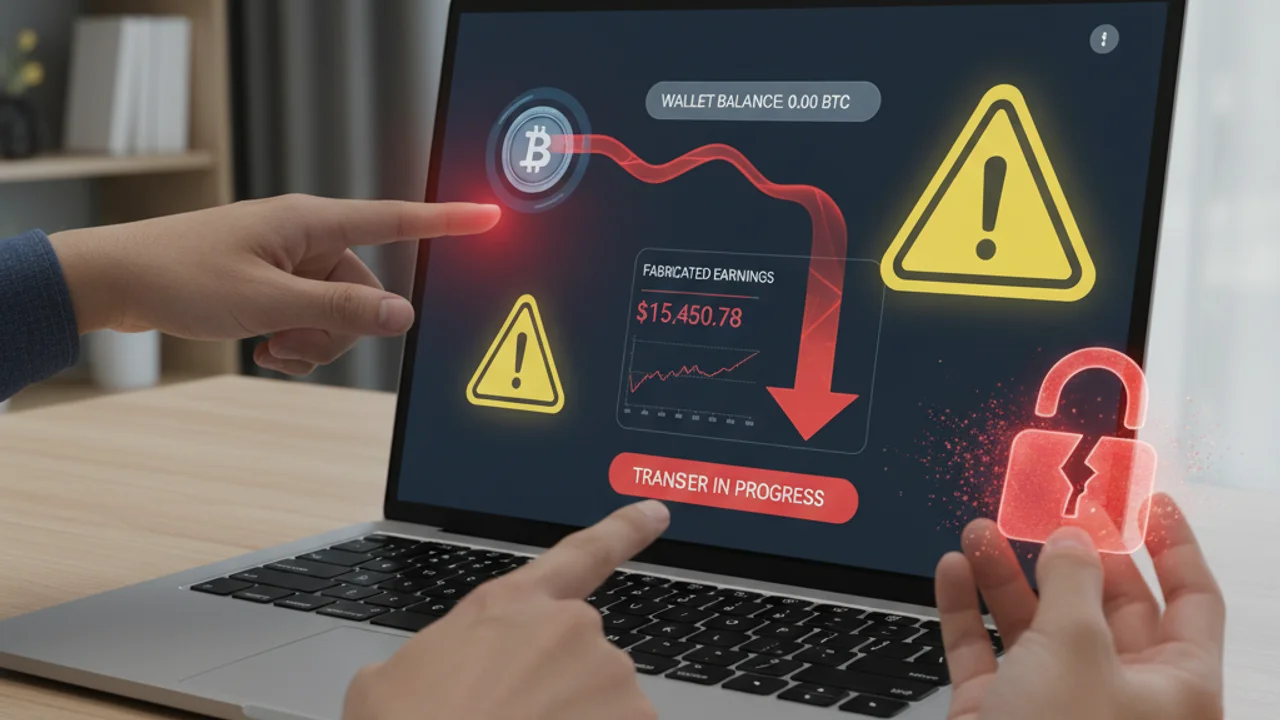
Phase 4, The Combo Task Trap. After trust is established, the supervisor introduces "combo tasks", higher-paying sets of tasks that require a cryptocurrency deposit to "unlock." The explanation is that the platform needs to verify the worker's account balance before assigning premium work. The deposit is always described as refundable and guaranteed to yield a specific return. Initial combo deposits are small ($50-$200) and show fake profits on the platform interface, encouraging larger deposits.
Phase 5, The Exit. Once the victim stops depositing or attempts to escalate a dispute, the group deletes them, the platform goes offline, and all contacts vanish. According to FBI IC3 data, the average victim loses $10,000-$75,000 before recognizing the scam, with some losses exceeding $500,000 in high-engagement cases.
Red Flags That Expose Telegram Task Scams
Every Telegram task scam operation leaves identifiable warning signs at each phase. Recognizing these early prevents any financial exposure:
Received a suspicious job offer on Telegram? Scan the link or attached content before clicking anything.
How Truvizy Detects Task Scam Operations
Truvizy's AI-powered analysis identifies task scam operations through multi-layer content analysis that examines recruitment messages, shared links, platform screenshots, and promotional videos. The detection system cross-references known task scam patterns, including platform UI signatures, recruitment script language, and cryptocurrency wallet address associations, against an evolving database of confirmed fraud operations.
When a user submits a Telegram job offer link or recruitment video to truvizy.app, Truvizy's multi-layer detection evaluates multiple signals simultaneously: domain registration age, SSL certificate patterns associated with fraudulent platforms, content indicators of fake earnings dashboards, and linguistic markers common in task scam recruitment scripts. This allows Truvizy to flag suspicious job offers before the user has made any financial commitment. Early detection, before the trust phase is complete, is the most effective intervention point in task scam operations.
What to Do If You Encounter a Telegram Task Scam
Do not deposit anything. The single most important protective action is refusing to make any cryptocurrency or payment transfer, regardless of how compelling the earnings appear on the platform dashboard. No legitimate job requires workers to invest money to receive work assignments.
Document everything before leaving. Screenshot all conversations, group messages, platform interfaces, wallet addresses, and any payment receipts. This documentation is essential for law enforcement reports and potential asset recovery attempts. According to the FTC's guidance on investment scams, detailed records significantly improve the likelihood of any recovery action.
Report to the FBI IC3. File a complaint at ic3.gov. The FBI's Internet Crime Complaint Center specifically tracks task scam operations as part of its cryptocurrency investment fraud investigations. Include the Telegram usernames, group names, platform URLs, and wallet addresses involved.
Report to the FTC. File at reportfraud.ftc.gov. The FTC uses aggregated complaint data to identify and pursue task scam networks operating across multiple victims.
Contact your crypto exchange immediately if funds were sent. While cryptocurrency transactions are generally irreversible, exchanges like Coinbase, Binance, and Kraken have fraud response teams that can sometimes freeze funds at destination wallets when reported quickly, typically within 24-48 hours. Contact them directly and reference your FBI IC3 complaint number.
Warn others in your network. Task scam recruiters specifically target people who can refer friends and family. If you were recruited through a personal contact, that contact may also be a victim (unwitting referrer) or a scam operator. Alert them to the operation without accusation. Check our guide on social engineering attacks for how scammers exploit personal networks.

Key Takeaways
- Telegram task scams pay small amounts upfront to build trust, then require cryptocurrency deposits that are impossible to recover.
- No legitimate employer contacts workers unsolicited via Telegram, every such message is either a scam or a gateway to one.
- The combo task deposit system is the definitive trap: once you deposit crypto for a "task unlock fee," the money is gone.
- Report task scams to FBI IC3 (ic3.gov) and FTC (reportfraud.ftc.gov) with full documentation including wallet addresses and platform URLs.
Expert analysis note: Task scams represent a sophisticated evolution of advance-fee fraud, deliberately engineered to exploit the growing legitimacy of gig economy work and remote employment. The patience of the trust-building phase, often spanning weeks of genuine small payouts, distinguishes these operations from simpler fraud and explains why highly educated, financially experienced individuals fall victim. As remote work norms expand, Truvizy anticipates task scam volumes to increase by 40-60% through 2026, with AI-generated recruitment scripts making initial contact messages increasingly indistinguishable from legitimate offers. Systematic verification of any unsolicited job opportunity through independent channels remains the only reliable defense.
Related reading: Pig Butchering Crypto Scams — Task scams often funnel victims into larger pig butchering investment fraud, understand the full operation
Related reading: Social Engineering Attacks — How scammers use psychological manipulation to bypass skepticism and build false trust
Related reading: How to Report an Online Scam — Step-by-step guide to filing FBI IC3, FTC, and platform reports that actually lead to investigations
Frequently Asked Questions
What are task scams on Telegram and how do they work?
Telegram task scams offer simple online jobs, liking videos, rating products, or completing surveys, for quick pay. Scammers pay small amounts initially to build trust, then introduce "combo tasks" requiring cryptocurrency deposits to unlock higher earnings. Victims can never withdraw funds. According to the FBI IC3, investment-adjacent task scams caused over $4.5 billion in losses in 2024 alone.
Is there a legitimate way to earn money doing online tasks on Telegram?
Legitimate microtask work exists on vetted platforms like Amazon Mechanical Turk, Clickworker, or Appen, but these never contact you unsolicited via Telegram, never require cryptocurrency deposits, and never promise unusually high returns. Any unsolicited Telegram job offer promising $200-$500 per day for trivial tasks is a scam, without exception.
Can Truvizy detect Telegram task scam accounts and messages?
Yes. Truvizy's AI-powered analysis can scan Telegram links, recruitment videos, and shared content for patterns associated with task scam operations, including fake platform interfaces, fabricated earnings screenshots, and recruitment scripts. Scan any suspicious job offer at truvizy.app before engaging to verify whether it shows signs of fraud.
What should I do if I already joined a Telegram task scam group?
Leave the group immediately and block all contacts. Do not deposit any cryptocurrency regardless of promised returns or threats. If you have already sent money, report to the FBI IC3 at ic3.gov, the FTC at reportfraud.ftc.gov, and contact your bank or crypto exchange. Document everything: screenshots, wallet addresses, and all communications before leaving.
Why do task scams always require cryptocurrency payments?
Cryptocurrency transactions are irreversible and largely anonymous, which makes recovery nearly impossible. Scammers specifically designed the combo task system to funnel victims toward crypto because banks can reverse wire transfers and credit card charges. Once crypto is sent to a scammer's wallet, it is gone. This is why every legitimate employer pays you, they never ask workers to invest money.