AI Girlfriend Scams: When Chatbots Steal More Than Your Heart
AI girlfriend scams use chatbots and deepfake profiles to simulate romantic relationships and extort victims. Learn how these scams work, the warning signs, and how to protect yourself.
· By Truvizy Research Team · 8 min read
TL;DR
AI girlfriend scams deploy hyper-realistic chatbots, AI-generated photos, and cloned voices to simulate romantic relationships online. Once emotional attachment forms, scammers pivot to financial exploitation, gift cards, crypto transfers, fake emergencies. Victims lose an average of $10,000 or more. The key defense is recognizing the pattern early: refusal to video call, rapid escalation of intimacy, and any request for money no matter how sympathetic the reason.
You match with someone on a dating app. They are attractive, articulate, and emotionally available in a way that feels almost too good to be true. They message you at all hours, remember every detail you share, and make you feel genuinely seen. Weeks pass. You feel a real connection. Then the emergency hits, a hospital bill, a customs fee, a business crisis. They need money. You send it. And then they need more. What you thought was a blossoming relationship was a calculated, AI-powered script designed to reach into your wallet through your heart.
AI girlfriend scams are the fastest-growing category within romance fraud. Unlike traditional romance scams that required a human operator to manually type every message, modern AI scam operations deploy chatbots that can sustain thousands of simultaneous "relationships" with no human intervention. The emotional manipulation is automated, scalable, and devastatingly effective.
The New Face of Romance Fraud
For decades, romance scams followed a predictable playbook: a person (often overseas) creates a fake profile using stolen photos, builds a relationship over weeks or months, and eventually requests money through a manufactured crisis. The limiting factor was human bandwidth, one operator could only manage so many conversations at once.
AI has removed that constraint entirely. Today's scam operations use large language model-powered chatbots that handle initial outreach, relationship-building conversations, emotional support, and even the financial asks, all automatically. AI-generated profile photos produced by image synthesis tools create faces that do not belong to any real person, making reverse image searches useless. Cloned voice technology enables fake audio messages that sound authentic. In some cases, deepfake video calls allow brief, scripted visual "proof" that a real person exists.
The shift from human-operated to AI-operated romance scams has made detection dramatically harder. The AI never gets tired, never breaks character, and never makes the spelling errors or cultural slip-ups that traditionally helped people identify overseas operators. The scam has professionalized to the point where victims include people with technical backgrounds who would have laughed at the idea of falling for a romance scam.
How AI Girlfriend Scams Work
The operation typically begins with mass outreach across multiple platforms, dating apps, Instagram, Facebook, LinkedIn, and increasingly WhatsApp. AI-generated profiles with compelling backstories (often a professional in a high-trust field: doctor, military officer, engineer working abroad) send connection requests or messages at scale.
Once contact is established, the AI engages in what researchers call "love bombing", overwhelming the target with attention, flattery, and emotional validation. The chatbot asks thoughtful questions, remembers details from previous messages, and mirrors the victim's communication style. It is available at 3am when the victim cannot sleep. It says exactly the right thing during a difficult work week. The emotional bond that forms is real, even if one party to it does not exist.
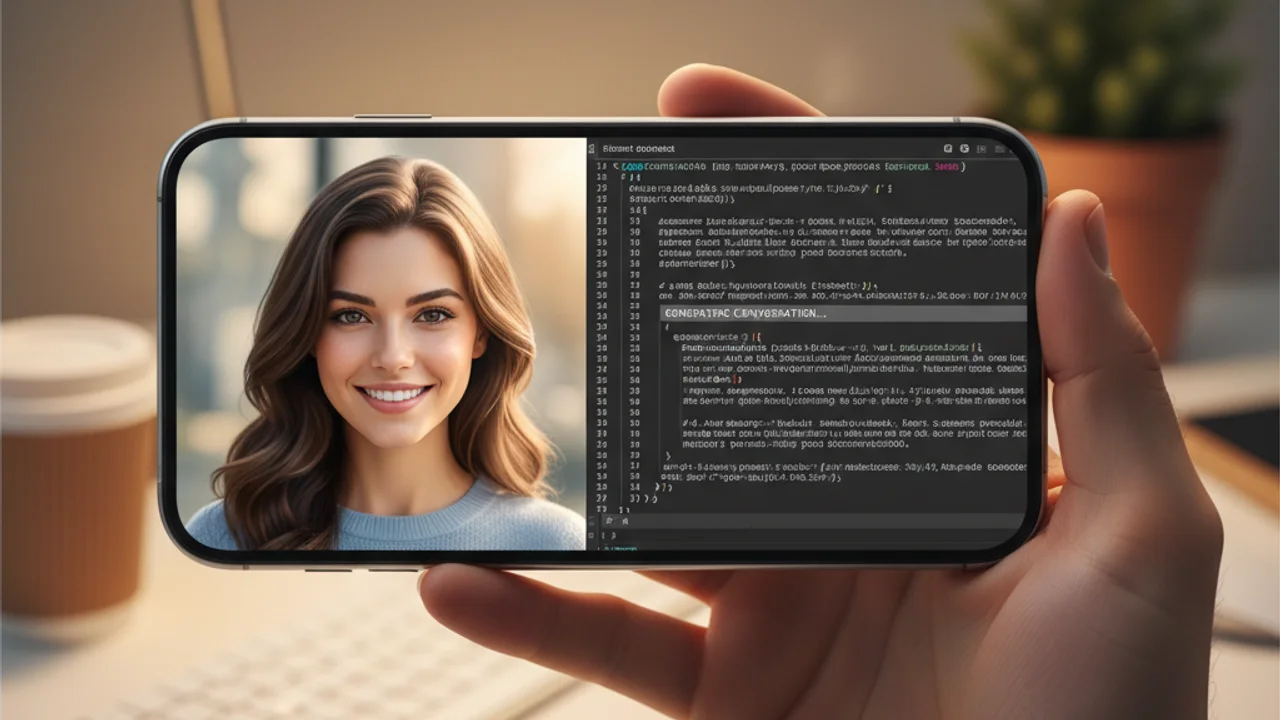
A critical tell appears when the victim requests a video call. Real people video call. Scammers offer excuses, broken camera, bad connection, working in a restricted facility. Some operations now deploy brief, scripted deepfake video calls that show a face matching the profile photo for 30-60 seconds before a "connection drop." This is enough to fool many victims who have been primed to trust.
Think a video or profile photo might be AI-generated? Scan it before trusting any connection.
The Financial Trap
The financial exploitation follows a consistent escalation pattern. The first request is almost always small and framed sympathetically, a medical emergency for a parent, a flight to finally meet you, a customs fee for a gift they sent you. The amount is low enough that helping feels natural given the emotional investment already made.
Once the first payment is made, two things happen: the victim has demonstrated willingness to transfer money, and the sunk cost of the relationship increases. The requests escalate. Each crisis is more urgent than the last. The victim often sends multiple payments over weeks or months, rationalizing each one as temporary help for someone they love. By the time they recognize the pattern, losses have accumulated well beyond what feels recoverable.
A secondary exploitation common in AI girlfriend scams is sextortion. The scammer encourages the victim to share intimate photos or videos, then threatens to send them to family and colleagues unless payment is made. This creates a second financial hook independent of the romantic relationship. Our detailed guide on sextortion scams covers this specific threat and the appropriate response.
Warning Signs You Are Talking to AI
Profile photos are too perfect. AI-generated faces are flawless in ways real photos rarely are. Look for blurred backgrounds, inconsistent lighting, ears that look slightly wrong, and jewelry or glasses with artifacts. The same AI generation artifacts appear consistently across all photos of the same "person."
No verifiable social presence. Real people have searchable histories, tagged photos, old posts, real friends who interact with them. Scam profiles are often recently created, have few connections, and show no organic social activity beyond the target.
Escalating intimacy with no in-person meeting. Genuine online relationships progress toward meeting. Scammers escalate emotional intimacy while consistently deflecting meeting attempts, always a reason why right now is not possible.
Responses feel slightly off-topic or generic. AI chatbots sometimes fail to address specific questions directly, pivoting to related but not quite accurate responses. If replies feel like they could apply to anyone, not specifically to what you said, that is a signal.
Any financial request, for any reason. No genuine romantic interest who has not met you in person has a legitimate reason to ask for money. Full stop. Every financial request from an unverified online contact should be treated as potential fraud regardless of the explanation.
You've been messaging someone on a dating app for three weeks. You feel a strong connection. They say they're a doctor working on a humanitarian mission. They ask you to send $800 in gift cards to help cover an emergency supply shortage at their clinic, promising to repay you when they're back. What should you do?
- Send the gift cards, it\
- ll pay you back
- Ask for their organization\
- ,
- ,
Answer: Gift card requests are the clearest signature of romance scam fraud, legitimate humanitarian organizations never ask individuals for gift card donations. A video call alone is insufficient proof; deepfake technology can fake brief calls. Verify through the organization's official channels independently. Do not send any money.
How to Test If Someone Is Real
Reverse image search every photo. Right-click profile photos and search via Google Images or TinEye. AI-generated faces won't match existing sources, but the technique can still reveal stolen photos. Use Truvizy's image scanning to check for AI generation artifacts in photos you've received.
Request a live video call with a specific action. Ask them to perform a unique, spontaneous action: hold up a handwritten sign with today's date and a specific word you choose, or wave with their left hand while touching their right ear. Deepfake video calls are typically pre-recorded or limited in real-time manipulation capability. Genuine people can do this in seconds.
Ask highly specific local questions. If they claim to be from Chicago, ask about a specific neighborhood's pizza spot or a recent local news event. AI systems and distant scam operators often give vague or slightly inaccurate answers to hyper-local questions.
Introduce a small inconsistency and see if they notice. Misremember something you told them earlier and see if they catch it. A real person who cares about you notices. An AI system without context memory may miss it entirely, or a human operator managing many accounts may not track minor details.
What to Do If You Are Targeted
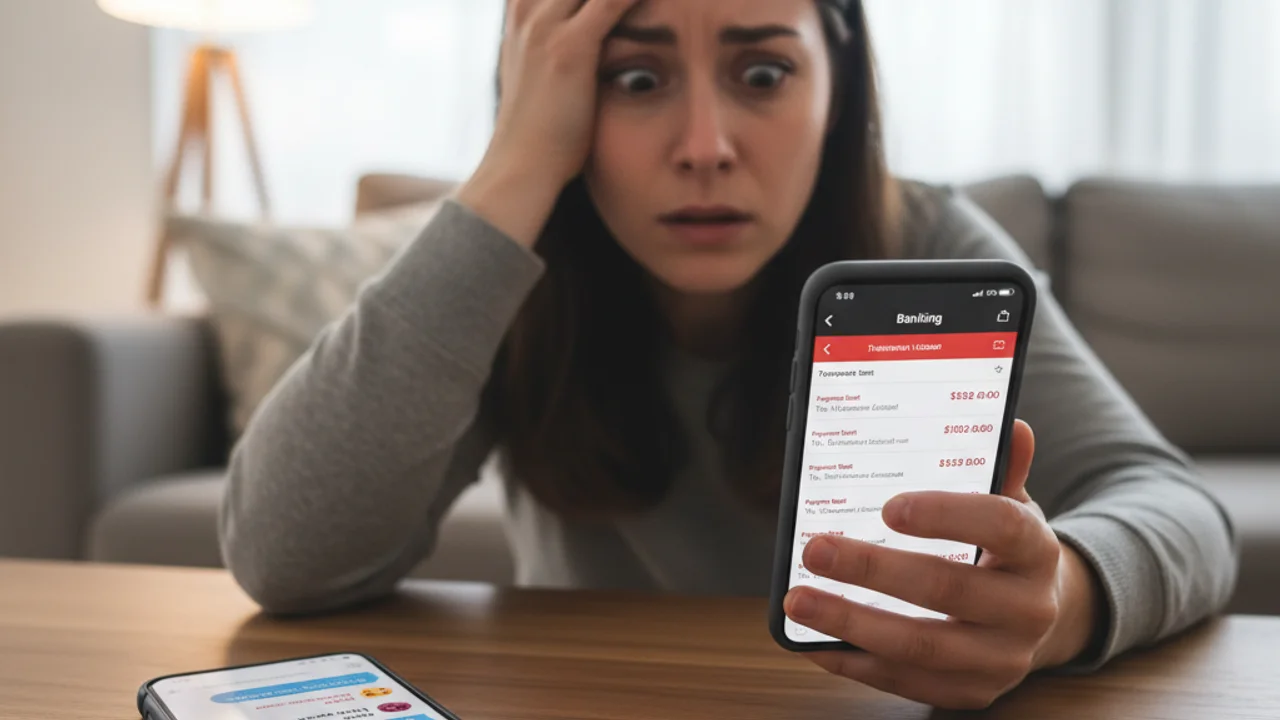
Stop all contact immediately. Do not confront the scammer or try to get your money back directly, this rarely works and may expose you to additional manipulation or threats.
Report to the FTC and FBI. File a report at ReportFraud.ftc.gov and the FBI's Internet Crime Complaint Center (IC3.gov). Include all conversation logs, payment records, and profile information. These reports are used to identify and dismantle scam operations.
Contact your bank immediately. If you sent a wire transfer, call your bank within hours, there is a narrow window where reversal may be possible. For credit card payments, dispute as fraud. For gift cards, contact the issuer directly; recovery is rare but occasionally possible if the card balance has not been depleted.
Do not pay any "recovery fees." Scammers frequently follow up with a second scam: posing as a law enforcement agency or recovery service that can retrieve your money for an upfront fee. This is always fraud. As covered in our guide on romance scam red flags, secondary scams targeting previous victims are extremely common.
Protect yourself from AI-powered romance fraud with real-time detection tools.
Key Takeaways
- AI girlfriend scams use chatbots that run 24/7, making them more scalable and harder to detect than human-operated romance scams.
- The financial ask always comes after weeks of emotional investment, the delay is deliberate to maximize what victims will send.
- Gift cards, crypto, and wire transfers are the exclusive payment methods of romance scammers, any request for these is fraud.
- Verify any online romantic contact with a live video call requiring a spontaneous, specific action before any emotional or financial investment deepens.
Related reading: Catfishing Guide: How to Catch a Fake Online Identity: Step-by-step verification techniques for anyone you meet online
Related reading: Sextortion Scams: What to Do If You're Targeted: Immediate steps if someone threatens to expose your private images
Related reading: Dating App Scams: The Complete Warning Signs Guide: Red flags for every major platform including Tinder, Bumble, and Hinge
Frequently Asked Questions
How do AI girlfriend scams differ from traditional romance scams?
Traditional romance scams involve a human operator manually managing conversations, usually impersonating a real person. AI girlfriend scams use automated chatbots capable of conducting thousands of simultaneous conversations, generating realistic responses 24/7, and adapting to the victim's emotional state in real time. This makes them far more scalable and increasingly difficult to distinguish from genuine human interaction.
Can I tell if I'm talking to an AI or a real person?
Modern AI chatbots can be very convincing, but several tests help. Ask a very specific, random question about a current local event in their supposed city. Request a live video call with a specific, unusual action (hold up three fingers, touch your nose). Ask them to write a sentence containing an absurd specific phrase. Real people can do these instantly; AI systems and scam operators running multiple accounts often stall, make excuses, or provide scripted responses.
What are the most common financial requests in AI girlfriend scams?
The most common requests include: gift cards (iTunes, Google Play, Amazon) for a "medical emergency" or to buy a plane ticket; cryptocurrency transfers for "investment opportunities" they want to share with you; wire transfers to help them through a legal problem; and payment for a "customs fee" to receive a package or gift they supposedly sent you.
Is it possible to recover money sent to an AI girlfriend scammer?
Recovery is difficult but not impossible. Gift card payments are nearly unrecoverable. Wire transfers have a small recovery window if reported to your bank within 24-72 hours. Cryptocurrency transfers are generally unrecoverable. Credit card payments may be disputed as fraud. Report to the FTC at ReportFraud.ftc.gov and your bank immediately, speed matters significantly for recovery chances.
Are legitimate AI companion apps the same as AI girlfriend scams?
No. Legitimate AI companion apps (like Replika or Character.AI) are transparent that users are interacting with an AI, clearly disclose their business model, and do not solicit money or personal financial information. AI girlfriend scams disguise themselves as real people on dating apps and social media, build genuine romantic attachment under false pretenses, and then exploit that attachment financially.