12 Red Flags of a Romance Scam: Protect Your Heart and Wallet
Learn the 12 telltale warning signs of a romance scam, how fraudsters build emotional connections to steal money, and what to do if you suspect you are being targeted.
· By Truvizy Research Team · 8 min read
TL;DR
Romance scams cost victims an average of $14,000 and rely on emotional manipulation rather than technical exploits. The 12 red flags include rushing intimacy, avoiding video calls, claiming to work overseas, and inventing financial emergencies. If someone you have never met in person asks for money, it is almost certainly a scam, no matter how genuine the connection feels.
It starts with a message. Maybe a comment on one of your social media posts, a match on a dating app, or a connection request from an attractive stranger. The conversation is warm, engaging, and quickly moves to private messaging. Within days, you are sharing personal stories, exchanging photos, and beginning to feel a genuine emotional bond with someone who seems to understand you in a way no one has before. There is just one problem: this person does not exist. They are a character, carefully crafted and methodically deployed to extract money from you.
Romance scams are among the most financially and emotionally devastating forms of fraud. According to the Federal Trade Commission, reported losses exceeded $1.3 billion in 2025, and since an estimated 60% of victims never report the crime out of shame, the true figure is likely several times higher. The average individual loss is over $14,000, but cases exceeding $100,000 are not uncommon.
The Scale of the Problem
Romance fraud is not a niche crime perpetrated by lone individuals. It is a global industry. Organized criminal networks, particularly in West Africa, Southeast Asia, and Eastern Europe, run large-scale operations with dozens or hundreds of operators. Each operator may simultaneously manage multiple fake personas across different platforms, juggling conversations with dozens of victims at various stages of the scam.
The rise of AI-generated content has amplified the threat exponentially. For a broader look at how this technology is reshaping fraud, see our piece on how AI is making scams more dangerous in 2026.
The crime is also spreading beyond traditional dating platforms. Romance scammers now operate on Instagram, Facebook, LinkedIn, gaming platforms, and even religious community forums. Anywhere people form social connections online is a potential hunting ground.
Related reading: Social Media Impersonation: How Scammers Steal Identities: Learn how fraudsters create fake profiles on Instagram, Facebook, and LinkedIn.
How Romance Scams Work
Every romance scam follows a remarkably consistent playbook, refined over years of iteration. The process has distinct phases: targeting, grooming, testing, and exploitation.
The grooming phase is where the emotional manipulation begins. The scammer establishes communication, often moving quickly from the original platform to WhatsApp, Telegram, or other private messaging apps. This serves two purposes: it makes the relationship feel more intimate, and it removes the victim from the platform's safety features and reporting mechanisms.
During grooming, the scammer builds what feels like a deep emotional connection. They share fabricated personal stories, often mirroring the victim's own experiences. They are attentive, romantic, and seemingly devoted. This phase can last weeks or months, however long it takes to build sufficient emotional dependency.
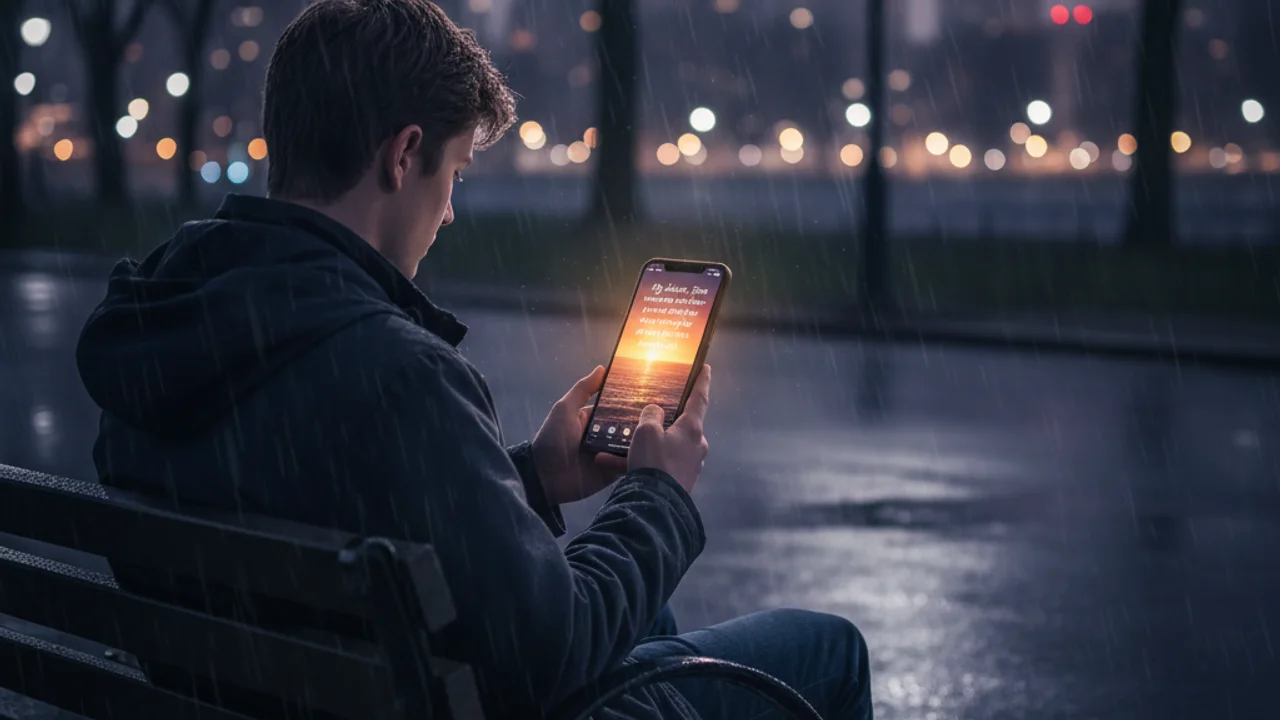
The testing phase begins with small asks, a gift card for a birthday, help paying a phone bill, a small loan until payday. These requests test the victim's willingness to send money and establish a pattern of financial compliance.
Finally, the exploitation phase introduces the big ask. A medical emergency, a business crisis, a legal problem, or a need for travel funds to finally meet in person. The amounts escalate rapidly, and the excuses for why the money cannot be repaid become increasingly elaborate.
Think someone you're talking to online might not be who they claim? Scan their photos instantly.
The 12 Red Flags
These warning signs, individually or in combination, should trigger immediate caution in any online relationship.
1. They rush the relationship. Declarations of love within days or weeks, especially before meeting in person, are a hallmark of romance scams. Genuine relationships develop gradually. Scammers accelerate intimacy because every day without financial return is a day wasted.
2. They refuse video calls. A person who will exchange hundreds of text messages but consistently avoids video calls is likely not who they claim to be. Excuses about broken cameras, bad connections, or camera shyness that persist over weeks are not coincidences, they are concealment tactics.
3. Their profile photos look too perfect. Stock photos, professional modeling shots, or images that seem overly polished may be stolen from real people or generated by AI. Tools like Truvizy's media scanner can help identify AI-generated or manipulated images.
4. They claim to work overseas. Military deployment, offshore oil rigs, international business travel, or humanitarian missions are all commonly fabricated occupations. These stories explain why they cannot meet in person and often set up future financial requests.
5. They move the conversation off the dating platform quickly. Legitimate users generally stay on dating platforms until they are comfortable meeting. Scammers push to move to WhatsApp or Telegram to avoid platform monitoring.
6. Their stories contain inconsistencies. Pay attention to small details. Does their claimed profession match their knowledge level? Do the details of their stories change over time? Inconsistencies are difficult to maintain across hundreds of messages.
7. They always have an excuse for not meeting. Canceled flights, sudden work emergencies, family crises, or visa problems conveniently prevent every planned meeting.
8. They ask for money. This is the clearest red flag of all. A person you have never met in person asking you to send money, for any reason, is almost certainly a scammer.
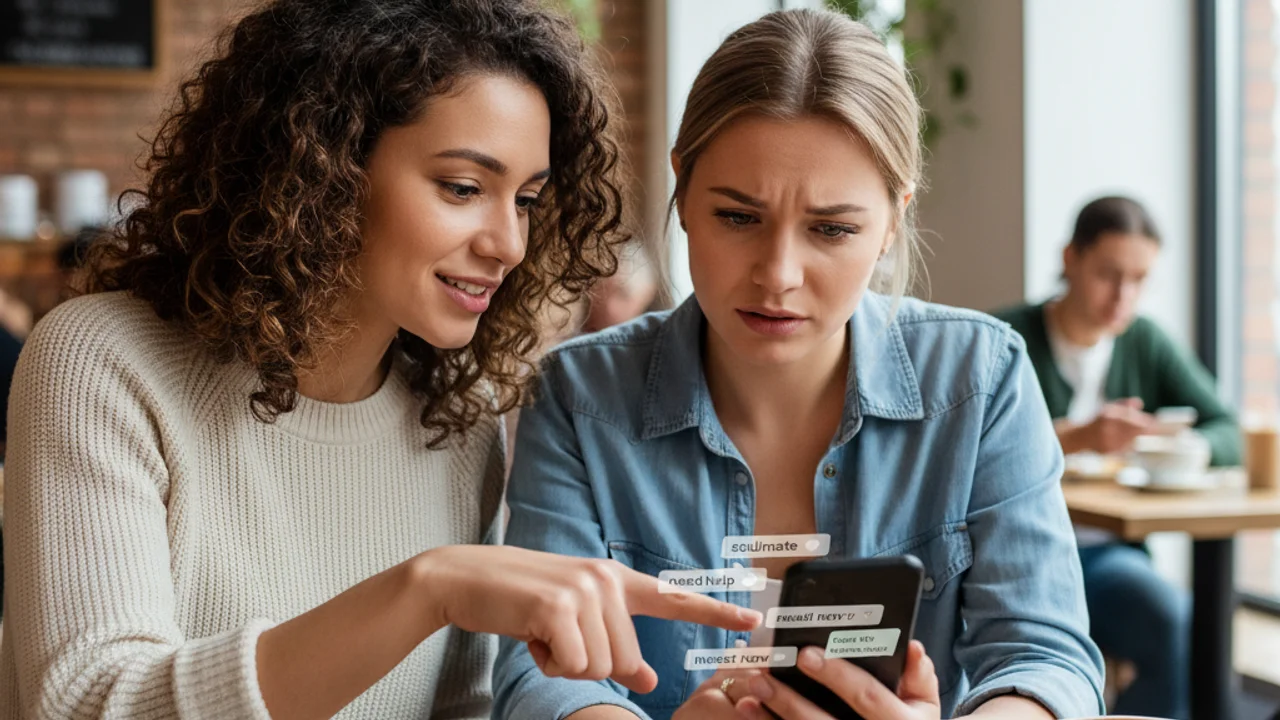
9. They want payment through untraceable methods. Requests for wire transfers, cryptocurrency, gift cards, or money transfer apps are designed to make the money impossible to recover.
10. They isolate you from friends and family. Scammers discourage victims from discussing the relationship with others. Phrases like "people will not understand our connection" are manipulation tactics.
11. Their social media presence is thin. A Facebook profile created six months ago with few friends, no tagged photos, and minimal history is a red flag. Real people accumulate years of social media activity.
12. They mirror your interests perfectly. When someone seems to share every hobby, value, and life goal you have, it may feel like fate. It is more likely profiling, scammers study your social media to construct your ideal match.
Your online partner of 3 weeks says they love you but can't video call because they're on a military base with restricted internet. They need $500 for a 'satellite phone' to call you. What should you do?
- Send the money, they clearly need it to stay in touch
- Ask them to email instead and wait
- Recognize this as a classic military romance scam and stop communication
- Send a smaller amount first to test if they are real
Answer: This scenario combines three major red flags: rushed intimacy, refusal to video call, and a financial request. The military provides free communication to service members, they never need money for phones or internet.
Why Smart People Fall for Romance Scams
One of the cruelest aspects of romance scams is the victim-blaming that follows. The truth is that intelligence offers no protection. Romance scams exploit fundamental human psychology, the need for connection, the tendency to trust, and the power of emotional bonds to override rational analysis.
The shame and embarrassment that follow discovery prevent many victims from reporting the crime or seeking help. This silence benefits scammers by keeping their methods hidden and their victims isolated.
Related reading: Catfishing in 2026: How to Verify Someone Is Real: Practical verification techniques for confirming online identities.
Protecting Yourself
The most effective protection against romance scams is a clear personal policy: never send money to someone you have not met in person. No exceptions. No matter how compelling the story, how urgent the situation, or how deep the emotional connection, this rule eliminates the financial risk entirely.
Use technology as an ally. AI-powered verification tools can detect synthetic images, analyze behavioral patterns, and identify known scam profiles. Truvizy's scanning capabilities are specifically designed to help you verify the authenticity of photos, videos, and profiles, catching what the human eye might miss.
Be especially cautious during periods of emotional vulnerability. If you have recently experienced a loss, a breakup, or a period of isolation, your psychological defenses are lower. This is not a reason to avoid dating, it is a reason to be more deliberate and cautious about online connections.
Related reading: How to Report an Online Scam: Step-by-step instructions for reporting fraud to the FTC, FBI, and platforms.
Helping Someone You Suspect Is Being Scammed
If you believe a friend or family member is in a romance scam, approach with empathy rather than confrontation. Remember that they are in the grip of powerful emotional manipulation and may react defensively to direct accusations.
The AARP Fraud Watch Network (877-908-3360) provides free support for romance scam victims and their families. The FTC accepts reports at reportfraud.ftc.gov, and the FBI's Internet Crime Complaint Center (ic3.gov) handles cases involving significant financial loss. Recovery is a process, but it begins with acknowledging the situation and reaching out for help.
Related reading: How Truvizy Detects Scams: Learn how AI-powered analysis protects you from fraud.
Related reading: Identity Theft Prevention Guide: Protect your personal information from scammers.
Key Takeaways
- Romance scams cost victims an average of $14,000 and exploit emotional bonds rather than technical vulnerabilities.
- The 12 red flags, from rushed intimacy to untraceable payment requests, can help you identify a scam before financial damage occurs.
- Never send money to someone you have not met in person, regardless of the story or emotional pressure.
- AI-generated photos and chatbots have made romance scams harder to detect, use AI-powered verification tools to fight back.
- If you suspect someone you know is being scammed, approach with empathy and offer practical help with verification.
Get continuous protection for you and your family against romance scams and other online threats.
Frequently Asked Questions
How common are romance scams?
Romance scams are one of the costliest forms of consumer fraud. The FTC reported over $1.3 billion in losses in 2025, with the actual figure likely much higher since many victims are too embarrassed to report. An estimated 1 in 7 online dating profiles is fraudulent.
Who is most at risk for romance scams?
While anyone can be targeted, people who are recently divorced, widowed, isolated, or new to online dating are at higher risk. Scammers specifically seek out emotional vulnerability. Both men and women are targeted, though women over 50 experience the highest average financial losses.
Can a romance scammer actually fall in love with their victim?
No. Romance scammers are professional criminals, often working in organized operations. The "relationship" is entirely manufactured. Multiple scammers may share a single fake profile, working in shifts to maintain constant communication with victims.
What should I do if I think I am being romance scammed?
Stop all communication immediately. Do not send any more money. Save all conversations and evidence. Report the scam to the FTC, your local police, and the platform where you met the person. Contact your bank if you have sent money. Seek emotional support, romance scam recovery is difficult.
Can I get my money back after a romance scam?
Recovery is difficult but sometimes possible. Bank transfers may be reversible if reported quickly. Credit card charges can be disputed. Wire transfers and cryptocurrency are generally unrecoverable. File reports with the FTC and FBI's IC3 to support any potential recovery efforts.