Dating App Scams: How Fraudsters Exploit Tinder, Bumble, and Hinge
Learn how scammers operate on popular dating apps like Tinder, Bumble, and Hinge, the most common tactics they use, and how to protect yourself from dating app fraud.
· By Truvizy Research Team · 8 min read
TL;DR
Dating app scams have evolved far beyond fake profiles. In 2026, fraudsters use AI-generated photos, sophisticated scripts, and multi-platform strategies to exploit Tinder, Bumble, and Hinge users. The most common attacks include romance fraud, cryptocurrency investment scams ("pig butchering"), and verification code theft. Protect yourself by insisting on video calls, never sharing financial information, and using verification tools before trusting a new match.
Online dating has become the most common way couples meet, with over 350 million people worldwide using dating apps in 2026. But where people seek connection, scammers see opportunity. An estimated 10 to 15 percent of profiles on major dating platforms are fraudulent, and the financial toll of dating app scams now exceeds $2 billion annually in the United States alone. Whether you are swiping on Tinder, answering prompts on Hinge, or making the first move on Bumble, understanding how these scams work is essential to protecting yourself.
The dating app scam ecosystem has matured into a professional industry. What was once the domain of individual opportunists is now run by organized criminal networks with sophisticated tools, tested scripts, and structured operations. And the integration of AI technology has made these scams harder to detect than ever before.
The Dating App Fraud Landscape
The numbers paint a troubling picture. Reports of dating app fraud increased by 80% between 2023 and 2025. The average financial loss per victim rose to $9,800 in 2025, up from $5,300 just two years prior. And these figures only account for reported cases, the stigma around being scammed on a dating app means that the majority of victims never file a report.
The demographic of victims has also shifted. While romance scams historically targeted older adults, dating app scams increasingly affect younger users. Millennials and Gen Z users, who are more comfortable with app-based dating but may be less cautious about online interactions, now represent the fastest-growing victim demographic. The scams targeting younger users tend to involve smaller individual amounts but higher volume.
The interconnection between dating app scams and other forms of fraud is also growing. A scammer who meets you on Tinder might eventually try to recruit you into a cryptocurrency scam, steal your identity for financial fraud, or use intimate content for sextortion. Dating apps are increasingly the entry point for complex, multi-stage fraud operations.
How Scammers Get onto Dating Apps
Despite the verification measures that dating apps have implemented, scammers have found effective ways to bypass them. Some purchase verified accounts from real users who sell their profiles. Others use AI-generated photos that pass photo verification checks by generating images that include specific poses or gestures required by the app's verification system.
Sim farming operations maintain hundreds of phone numbers to create and manage multiple accounts simultaneously. Sophisticated operations use specialized software that automates swiping, messaging, and profile management across dozens of fake accounts at once. A single operator in a scam center can maintain active conversations on 20 or more fake profiles simultaneously.

The most advanced operations invest significant effort in creating believable profiles. They use AI to generate unique photos that do not appear elsewhere online, write bio text that is specific and personal rather than generic, and populate the profile with interests and details that match their target demographic. These profiles can be virtually indistinguishable from legitimate ones.
Suspicious about a match's profile photo? Scan it instantly to check for AI generation.
The Most Common Dating App Scams
The classic romance scam follows the playbook described in our guide to romance scam red flags. The scammer builds an emotional relationship over weeks or months, then fabricates emergencies that require money. Dating apps are simply the initial contact point, the actual manipulation happens after the conversation moves to private messaging.
Pig butchering scams have become one of the most financially devastating forms of dating app fraud. The scammer builds a romantic connection and gradually introduces the topic of cryptocurrency or stock trading. They share screenshots of their impressive returns, encourage the victim to try investing through a specific platform, and even help them see initial "gains." But the platform is fake, and when the victim tries to withdraw their money, it is gone. Individual losses frequently exceed $100,000.
Verification code scams are simpler but increasingly common. The scammer asks the victim to "verify" they are real by clicking a link, which actually subscribes the victim to a premium service using their phone number and payment information. Or they ask the victim to share a verification code "to prove they are not a bot," when the code is actually a two-factor authentication code for the victim's own account.
Blackmail and sextortion attacks begin with flirtatious conversations that escalate to the exchange of intimate photos. Once the scammer has compromising images, they threaten to share them with the victim's contacts, employer, or publicly unless a payment is made. This attack has become especially prevalent among younger male users.
Advance fee scams involve requests for money to facilitate a meeting, airfare, visa fees, hotel costs, or gas money. The scammer promises to repay or to visit but never follows through. The requests escalate over time, with each new request accompanied by a new obstacle that the victim's money can supposedly solve.
A new match on a dating app says they cannot video call because their phone camera is broken, but they send you beautiful selfies daily. What is the most likely explanation?
- Their phone camera really is broken, front cameras break sometimes
- They are shy and not ready for a video call yet
- They are using stolen or AI-generated photos and cannot appear on video
- They prefer texting over video calls
Answer: A person who sends frequent selfies but cannot video call is almost certainly not who they claim to be. The 'broken camera' excuse is one of the most common tactics scammers use to avoid being exposed.
Platform-Specific Tactics
Scammers adapt their approach to each platform's features and culture. On Tinder, the high volume and swipe-based matching makes it easy for scammers to cast a wide net. They tend to use the most attractive photos and rely on quantity over quality, matching with hundreds of users and moving quickly through scripted conversations with anyone who responds.
On Bumble, where women make the first move, scammers create profiles specifically designed to get first messages. Their bios are crafted to appear emotionally intelligent and relationship-oriented. Since Bumble requires women to initiate, scammers on this platform tend to be more patient and invest more time in building the relationship before making a request.
On Hinge, which positions itself as the app "designed to be deleted," scammers lean heavily into the seriousness narrative. Their profiles emphasize wanting long-term commitment, and they use Hinge's prompt-and-response format to create the appearance of depth and authenticity. The more relationship-focused user base on Hinge makes victims more emotionally invested earlier.
Red Flags to Watch For
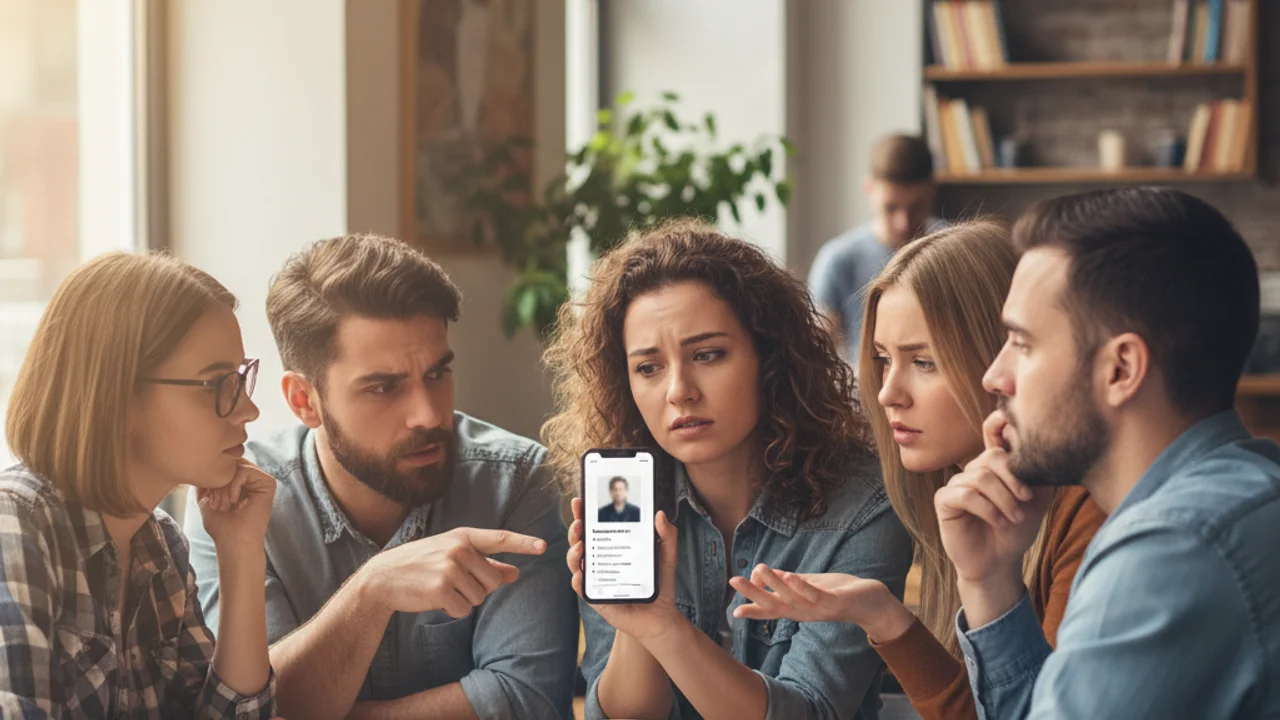
Several behaviors should immediately raise your guard when interacting with matches on dating apps. The person pushes to move to WhatsApp, Telegram, or another messaging platform very quickly. They claim to be unable to video call due to technical issues, work restrictions, or camera problems. Their photos all look professionally shot or seem to be from a modeling portfolio. They bring up money, investments, or financial topics early in the conversation.
More subtle red flags include responses that feel slightly generic or off-topic, which may indicate scripted conversations or AI-generated replies. Pay attention to whether the person's claimed profession matches their language and knowledge. A claimed surgeon who cannot explain what they do or a supposed entrepreneur with no online business presence warrants skepticism.
The person's emotional intensity should also be calibrated against reality. Someone who has never met you but claims to be deeply in love is either being manipulative or has boundary issues, neither of which is a good foundation for a relationship. Genuine emotional connection develops through shared experience, not through text messages alone.
Related reading: 12 Red Flags of a Romance Scam: The complete guide to spotting romance fraud tactics
How to Protect Yourself
Insist on video calls early. A five-minute video call eliminates the vast majority of scam profiles. If someone consistently refuses or makes excuses, treat it as a serious red flag. Offer to accommodate their schedule, suggest brief calls, and make it clear this is a non-negotiable step before investing more time.
Keep conversations on the dating platform until you have verified the person is real. Dating apps have monitoring systems that can detect scam patterns, and their reporting mechanisms only work if the conversation happens on their platform. Moving to WhatsApp removes these protections.
Never send money to someone you have not met in person. This includes wire transfers, cryptocurrency, gift cards, and payment apps. No legitimate romantic interest will ask you for money before you have met face to face, regardless of the circumstances.
Use verification tools. Reverse image searches can catch stolen photos, and AI-powered analysis can identify synthetic images and deepfake videos. Truvizy's scanning tools are specifically designed to help you verify the authenticity of photos and video content, giving you an extra layer of protection when something feels off.
Trust your instincts. If something feels too good to be true, it very likely is. A person who seems perfect, who mirrors all your interests, and who is instantly devoted is displaying the characteristics of a scam persona, not a genuine human being. Real people have flaws, disagree with you sometimes, and develop feelings gradually.
Key Takeaways
- Insist on a video call before investing emotional energy, it eliminates most scam profiles instantly.
- Never send money, cryptocurrency, or gift cards to someone you have not met in person.
- Keep conversations on the dating app until you have verified the person is real through independent means.
- Use AI-powered verification tools to check profile photos for signs of generation or manipulation.
Protect yourself and your family from dating app fraud with AI-powered scanning.
What Dating Apps Are Doing About It
To their credit, major dating platforms have significantly increased their anti-fraud efforts. Tinder now uses AI-powered photo verification that compares selfie poses to profile photos. Bumble has implemented video call features directly in the app and added identity verification badges. Hinge uses machine learning to detect suspicious messaging patterns and automatically flags accounts that exhibit scam-like behavior.
However, these measures are not foolproof. The technology available to scammers is advancing at least as fast as the technology available to platforms. AI-generated photos can pass verification checks. Scripted conversations can evade pattern detection. And the fundamental challenge remains: dating apps need to balance security with usability, and overly aggressive filtering can frustrate legitimate users.
For a deeper exploration of how identity deception operates across all online platforms, see our comprehensive guide on catfishing in 2026. The battle between platform security and scammer innovation is ongoing, and staying informed is your most reliable defense. Use Truvizy's free scan tool whenever you want a second opinion on suspicious content, because in online dating, a healthy dose of skepticism is the ultimate form of self-care.
Related reading: Social Media Impersonation Scams: How scammers create fake profiles to deceive victims across platforms
Related reading: How Truvizy Detects Scams: The technology behind AI-powered scam detection
Frequently Asked Questions
Which dating app has the most scammers?
No major dating app is scam-free. Tinder has the highest volume due to its massive user base, but Bumble, Hinge, and even niche apps all have scam profiles. The apps that require less verification tend to have more fraudulent accounts.
How can I tell if a dating profile is fake?
Look for profiles with only professional-quality photos, very little bio text, and accounts that were recently created. Be suspicious if the person immediately wants to move to WhatsApp or another messaging platform. Use reverse image searches and verification tools to check profile photos.
What is a pig butchering scam?
Pig butchering is a scam where the fraudster builds a romantic relationship and then gradually introduces the victim to a fake cryptocurrency or investment platform. The victim is encouraged to invest increasing amounts, sees fake returns, and eventually loses everything when they try to withdraw.
Should I report suspicious profiles on dating apps?
Yes. Reporting helps dating apps remove fake profiles and protect other users. Most apps have a report function directly on the profile page. Even if you are not 100% certain it is a scam, reporting suspicious behavior contributes to platform safety.