AI Voice Cloning Scams: When Criminals Sound Exactly Like Your Family
AI voice cloning scams use just seconds of audio to replicate a loved one\'s voice for fraud calls. Learn how these scams work, real cases, and how to protect your family.
· By Truvizy Research Team · 8 min read
TL;DR
AI voice cloning technology now allows criminals to replicate anyone\'s voice from just a few seconds of audio, enabling terrifyingly convincing phone scams where callers sound exactly like your family members. These scams typically involve fake emergencies demanding immediate financial action, and losses can reach tens of thousands of dollars in a single call.
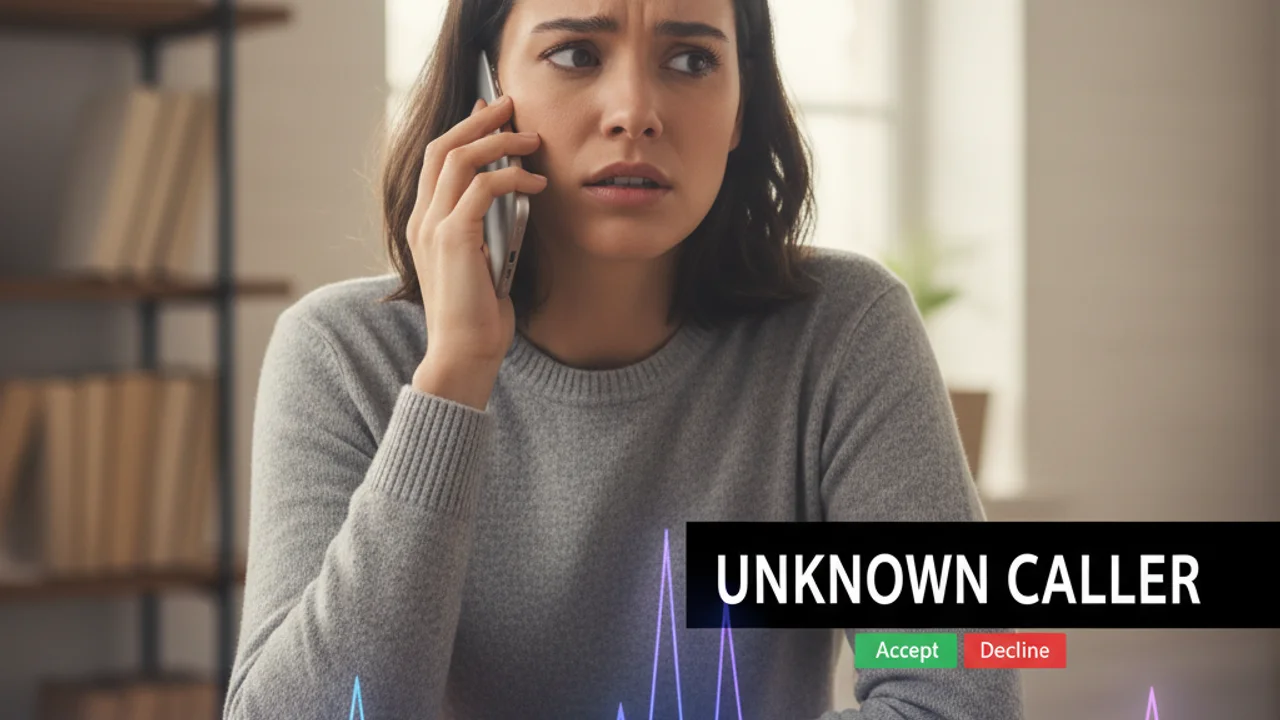
The phone rings. It is your daughter. She is crying, panicked, and says she has been in a car accident. She needs you to wire money immediately for medical bills. You can hear the fear in her voice, that specific tremor she gets when she is scared. You reach for your wallet without hesitation. But your daughter is not on the other end of that call. The voice you heard, the voice you would recognize anywhere, was generated by artificial intelligence from a 10-second clip pulled from her TikTok account.
AI voice cloning scams represent one of the most emotionally devastating and rapidly growing forms of fraud in 2026. The technology has advanced to a point where criminals can replicate virtually any voice with startling accuracy, turning the most primal human bond, the sound of a loved one's voice, into a weapon. The FBI reported a 300 percent increase in voice cloning fraud complaints between 2024 and 2025, with losses exceeding $500 million in the United States alone.
The Voice Cloning Threat
Voice cloning scams exploit something no other type of fraud can match: the instinctive trust we place in familiar voices. Humans are hardwired to recognize and respond to the voices of people they love. A text message or email from a stranger asking for money triggers skepticism. A phone call from your child, parent, or spouse asking for help triggers action. Scammers have weaponized this biological response, and the results are devastating.
What makes voice cloning particularly dangerous is the speed at which it bypasses critical thinking. When you hear a loved one in distress, your brain shifts into emergency mode. Rational evaluation of the situation takes a back seat to the overwhelming urge to help. By the time you have time to think clearly, the money has already been sent.
How AI Voice Cloning Technology Works
Modern voice cloning relies on deep learning models trained on speech data. These models analyze a sample of someone's voice and extract the unique characteristics that make it recognizable: pitch, cadence, accent, breathing patterns, and vocal timbre. The model then generates new speech in that voice, saying whatever text the operator inputs.
The technology has become remarkably accessible. Several commercial voice cloning services are available for legitimate purposes like audiobook narration and content creation. These same tools, along with open-source alternatives, are exploited by criminals. The quality threshold for creating a convincing clone has dropped dramatically. In 2023, usable cloning required minutes of clean audio. By 2026, three to five seconds is often sufficient for a phone-quality clone that will fool family members.
The real-time aspect is particularly alarming. Some tools now support live voice conversion, allowing a scammer to speak into a microphone and have their voice output as the cloned target's voice in real time. This means the scammer can have a genuine conversation, responding to questions and reacting to the victim's concerns, all while sounding exactly like someone else.
Anatomy of a Voice Cloning Scam Call
A typical voice cloning scam follows a carefully designed script. The call opens with an emotional hook: the cloned voice sounds panicked, distressed, or in pain. Common scenarios include car accidents, arrests, kidnapping, medical emergencies, or being stranded in a foreign country. The emotional intensity is deliberate, it prevents the victim from thinking clearly.
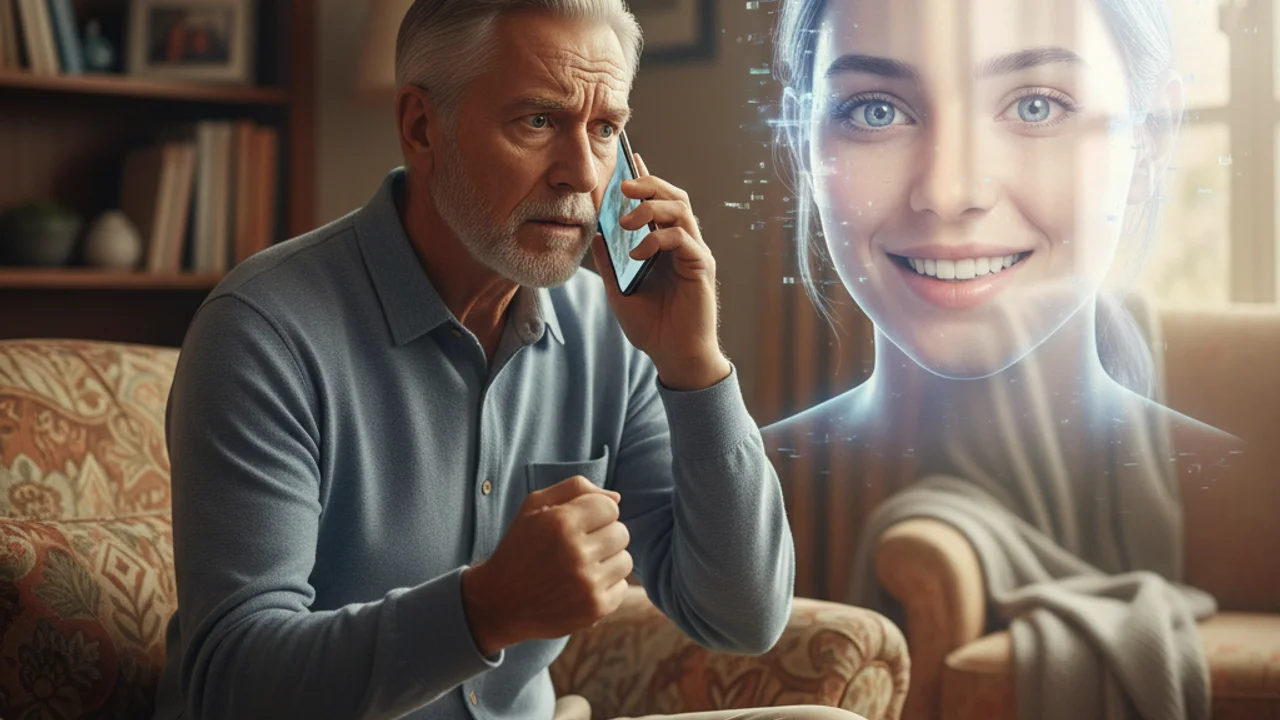
After the initial emotional setup, a second person often takes over the call, posing as a lawyer, police officer, doctor, or bail bondsman. This person provides the "solution": send money via wire transfer, gift cards, or cryptocurrency to resolve the emergency. They emphasize urgency and secrecy, "Don't tell anyone else yet, we need to handle this quickly." This isolation prevents the victim from verifying the story with other family members who could expose the fraud.
The amounts demanded typically range from $5,000 to $50,000, calibrated to be large enough to be profitable but not so large that the victim cannot access the funds quickly. Some sophisticated operations make multiple calls over several hours, escalating the urgency and the amount with each contact. The psychological manipulation employed shares DNA with the trust-building tactics used in pig butchering scams , though voice cloning operates on a much faster timeline.
Think you received a suspicious call? Use Truvizy to analyze recorded audio for AI-generated voice indicators.
Real Cases of Voice Cloning Fraud
The human stories behind voice cloning fraud are haunting. In a widely reported 2025 case, a mother in Arizona received a call from what she believed was her 15-year-old daughter, sobbing and saying she had been kidnapped. A male voice then took over, demanding $50,000 for her release. The mother was about to wire the money when a friend suggested she try calling her daughter directly, who answered from school, completely safe.
In another case, a company CFO in Hong Kong authorized a $25 million wire transfer after a video call with what appeared to be the company's CEO and several colleagues, all of whom were AI-generated deepfakes with cloned voices. The fraud was not discovered until the real CEO was contacted about the transfer days later. While that case involved video deepfakes, voice-only cloning scams are far more common and require far less technical sophistication.
A retired couple in Florida lost $15,000 after receiving a call from their "grandson" who claimed to have been arrested while traveling abroad. The voice was so convincing that even after the grandson's parents confirmed he was safe at home, the couple initially did not believe them, they were certain they had spoken to him.
The Grandparent Scam Evolved
The traditional "grandparent scam" has existed for decades: a caller pretends to be a grandchild in trouble and asks for money. What made the old version detectable was the generic voice, scammers relied on elderly victims being too flustered to notice the voice did not quite match. AI voice cloning has eliminated this weakness entirely. The cloned voice sounds exactly like the grandchild, making the scam virtually undetectable by ear alone. Elderly adults remain the primary targets, but the improved technology means younger, more tech-savvy victims are falling for it as well.
You receive a frantic call from someone who sounds exactly like your child, asking you to wire money for an emergency. What is the safest first step?
- Wire the money immediately, it sounds just like them
- Ask the caller personal questions to verify their identity
- Hang up and call your child directly on their known phone number
- Ask the caller to text you so you can verify the number
Answer: The safest action is always to hang up and call the person directly on their known number. AI voice clones can answer personal questions if the scammer has done research. Texting is unreliable since numbers can be spoofed. Wiring money immediately is exactly what the scammer wants.
Voice Cloning Targeting Businesses
Businesses face their own voice cloning threats. Scammers clone the voices of executives to authorize financial transactions, impersonate vendors to redirect payments, or pose as IT support to extract system credentials. A 2025 industry survey found that 43 percent of large enterprises had experienced at least one attempted voice cloning attack. The financial impact on businesses dwarfs individual losses, with single incidents sometimes exceeding millions of dollars. For businesses, voice cloning is part of a broader social engineering threat landscape that includes the business email compromise attacks detailed in our phishing guide.
Where Scammers Get Your Voice
The audio samples used for voice cloning come from surprisingly accessible sources. Social media videos on TikTok, Instagram, YouTube, and Facebook are the primary source, most users do not realize that every video they post provides raw material for voice cloning. Voicemail greetings are another common source, as are podcast appearances, conference presentations, and even automated phone system recordings.
In some cases, scammers obtain voice samples through preliminary phone calls. They might call and ask a few questions under the guise of a survey, customer satisfaction call, or wrong number. A brief conversation yields enough audio to create a usable voice clone. This technique is particularly effective because the target is completely unaware their voice has been captured.

Protect your family from voice cloning scams with Truvizy's AI-powered deepfake audio detection.
How to Detect and Verify Cloned Voices
Detecting a cloned voice by ear is extremely difficult, but not impossible. Cloned voices sometimes exhibit subtle tells: slightly unnatural pauses between sentences, consistent background noise that does not change with movement, emotional expressions that feel slightly off, and responses that occasionally do not match the conversational context. However, relying on detection alone is inadequate, verification is the stronger defense.
The simplest verification method is to hang up and call the person back on their known phone number. If the call was real, they will answer. If it was a scam, you have broken the scammer's control of the conversation. For situations where you cannot reach the person directly, call another trusted family member or friend who can verify the person's safety and location. AI-powered content analysis tools are also being developed to detect cloned audio, analyzing spectral patterns that differ between natural and synthesized speech.
Creating a Family Protection Plan
The most effective defense against voice cloning scams is a family code word, a secret word or phrase known only to family members that must be used to verify identity during unexpected calls. Choose something memorable but not guessable from your social media or public information. Discuss it in person, not over digital channels. Everyone in the family should know: if someone calls claiming to be a family member in an emergency, ask for the code word first.
Beyond the code word, establish a family protocol for emergency calls. Agree that no one will ever send money based solely on a phone call, no matter how urgent it seems. Create a call tree: if you receive a distressing call from one family member, your first action is to contact another family member to verify. Discuss these scenarios with elderly relatives who may be less aware of the technology and more vulnerable to emotional manipulation.
Reduce your voice footprint online where possible. Consider the privacy settings on social media videos, limit voicemail greetings to generic messages rather than personal ones, and be cautious about posting voice content publicly. Explore comprehensive protection solutions that include AI-powered detection capabilities for deepfake audio and video content. As voice cloning technology continues to improve, the combination of human verification protocols and AI-powered analysis provides the strongest defense against this deeply personal form of fraud.
Key Takeaways
- AI can clone any voice from just 3 seconds of audio, every social media video and voicemail greeting is potential source material for scammers.
- Establish a family code word that must be used to verify identity during unexpected emergency calls.
- Never send money based solely on a phone call. Always hang up and call the person directly on their known number to verify.
- Discuss voice cloning threats with elderly family members who may be less aware of the technology and more vulnerable to emotional manipulation.
Related reading: Phishing Email Detection: How AI-powered social engineering extends from voice calls to email attacks.
Related reading: Social Media Impersonation: How scammers harvest your photos and personal details for impersonation attacks.
Related reading: How Truvizy Detects Scams: Learn how AI analysis detects deepfake audio and cloned voice content.
Frequently Asked Questions
How does AI voice cloning work?
AI voice cloning uses machine learning to analyze a sample of someone's voice and create a digital model that can generate new speech in that person's voice. Modern systems can produce convincing clones from as little as 3 to 5 seconds of audio, which can be sourced from social media videos, voicemail greetings, or phone conversations.
How much audio do scammers need to clone a voice?
Current AI voice cloning technology can produce a recognizable voice clone from as little as 3 seconds of clear audio. Higher-quality clones require 10 to 30 seconds of speech. The audio can be sourced from social media posts, YouTube videos, podcast appearances, TikTok clips, voicemail greetings, or any other publicly accessible recording.
How can I protect my family from AI voice cloning scams?
Establish a family code word that only your family members know, to verify identity during unexpected calls. Never send money based solely on a phone call, regardless of who it sounds like. Always hang up and call the person back on their known number. Be cautious about posting voice recordings on social media that could be used for cloning.
Can AI voice clones be detected?
Detecting AI-generated voice audio is possible but challenging for human ears alone. Technical indicators include subtle artifacts in background noise, unnatural pauses or breathing patterns, and inconsistencies in emotional expression. AI-powered analysis tools can detect cloned audio more reliably than human listeners by analyzing spectral patterns and micro-variations.
What should I do if I receive a suspected voice cloning scam call?
Stay calm and do not act immediately. Ask questions only the real person would know. Tell the caller you will call them back, then contact the real person directly on their known phone number. If you cannot reach them, contact another family member to verify. Never send money or share financial information during the call.