How Truvizy Detects Scams: Behind the Scenes of AI-Powered Protection
Discover how Truvizy uses multi-layer AI analysis, proprietary scoring algorithms, and advanced pattern recognition to detect deepfakes, scam videos, and manipulated content in seconds.
· By Truvizy Research Team · 8 min read
TL;DR
Truvizy combines multi-layer AI analysis with a proprietary scoring algorithm to detect scams that humans cannot see. The platform analyzes visual consistency, audio patterns, metadata signals, and behavioral indicators simultaneously, returning a clear trust score in seconds. Both Quick Scan (free, instant) and Deep Scan (AI-powered cloud analysis) are available.
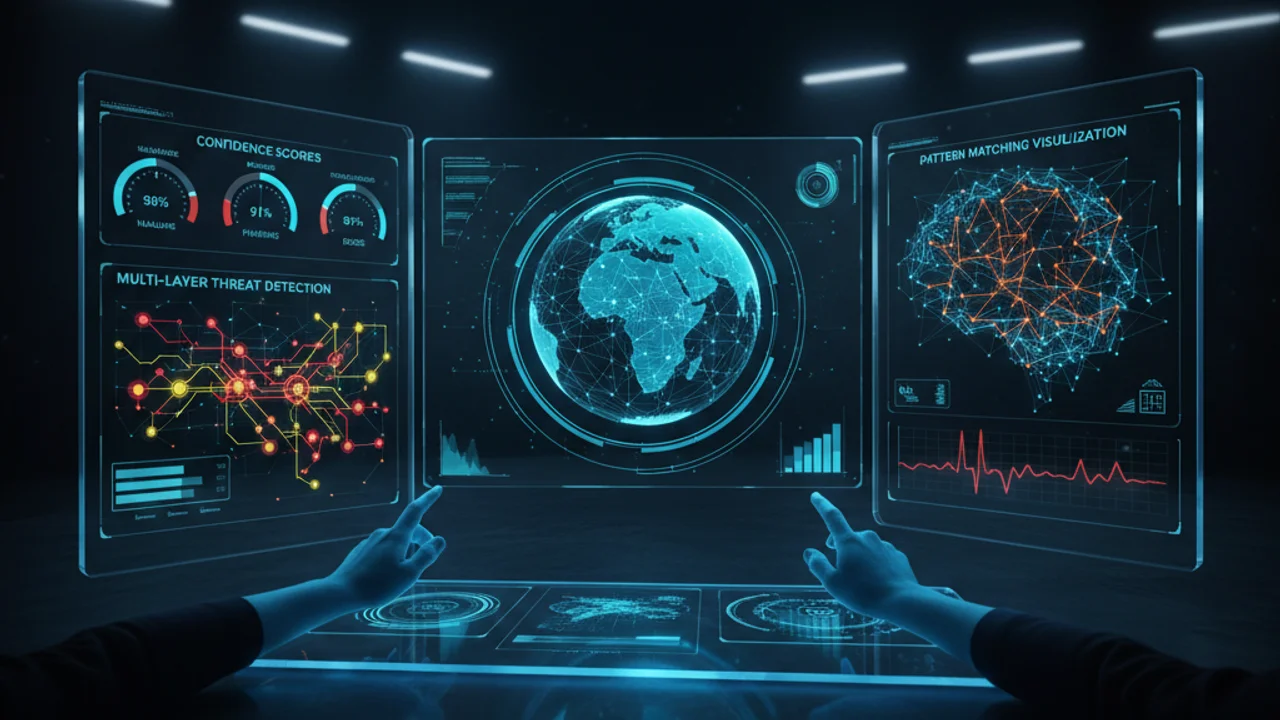
You paste a suspicious video link into Truvizy and within seconds receive a clear trust score along with a detailed breakdown of what was detected. But what happens in those seconds between submitting the link and seeing the result? The answer involves multiple layers of AI-powered analysis working in parallel, each examining a different dimension of the content, then feeding into a proprietary scoring algorithm that synthesizes everything into an actionable assessment.
This article pulls back the curtain on how Truvizy's detection engine works, what makes it different from manual inspection, and why the multi-layer approach catches scams that any single detection method would miss. Whether you are a casual user wanting to understand your scan results or a security professional evaluating detection platforms, this guide explains the technology in clear, practical terms.
The Detection Challenge: Why Scams Are Hard to Catch
Modern scam content is not created by amateurs. Criminal organizations invest heavily in production quality, using sophisticated AI tools to generate convincing deepfake videos, clone voices, and fabricate endorsements from public figures. The content is designed specifically to pass casual visual inspection and to trigger emotional responses that override critical thinking.
The challenge is compounded by the sheer volume and variety of scam content. A detection system needs to catch not just deepfake face swaps but also manipulated audio, out-of-context footage, fabricated reviews, AI-generated imagery, and dozens of other manipulation techniques, all while processing content quickly enough to be useful in real time. This requires a fundamentally different approach than checking for a single type of manipulation.
Stop guessing whether content is real. Scan any suspicious video or image right now, it takes seconds.
Multi-Layer Analysis: How Truvizy Sees What You Cannot
Truvizy's detection architecture is built on the principle that no single signal is definitive, but multiple independent signals combined produce highly reliable results. The platform analyzes content across four primary dimensions simultaneously: visual frame analysis, audio pattern detection, metadata inspection, and behavioral signal analysis. Each dimension operates independently, and their results are synthesized by the scoring algorithm into a unified trust assessment.
This multi-layer approach is critical because sophisticated scams may defeat any individual detection method. A deepfake video might have convincing visual quality but betray itself through subtle audio inconsistencies. A phishing scheme might use legitimate-looking video but contain telltale URL patterns and metadata anomalies. By examining every dimension simultaneously, Truvizy catches manipulations that would slip through a single-method detector.
Visual Analysis: Frame-Level Inspection
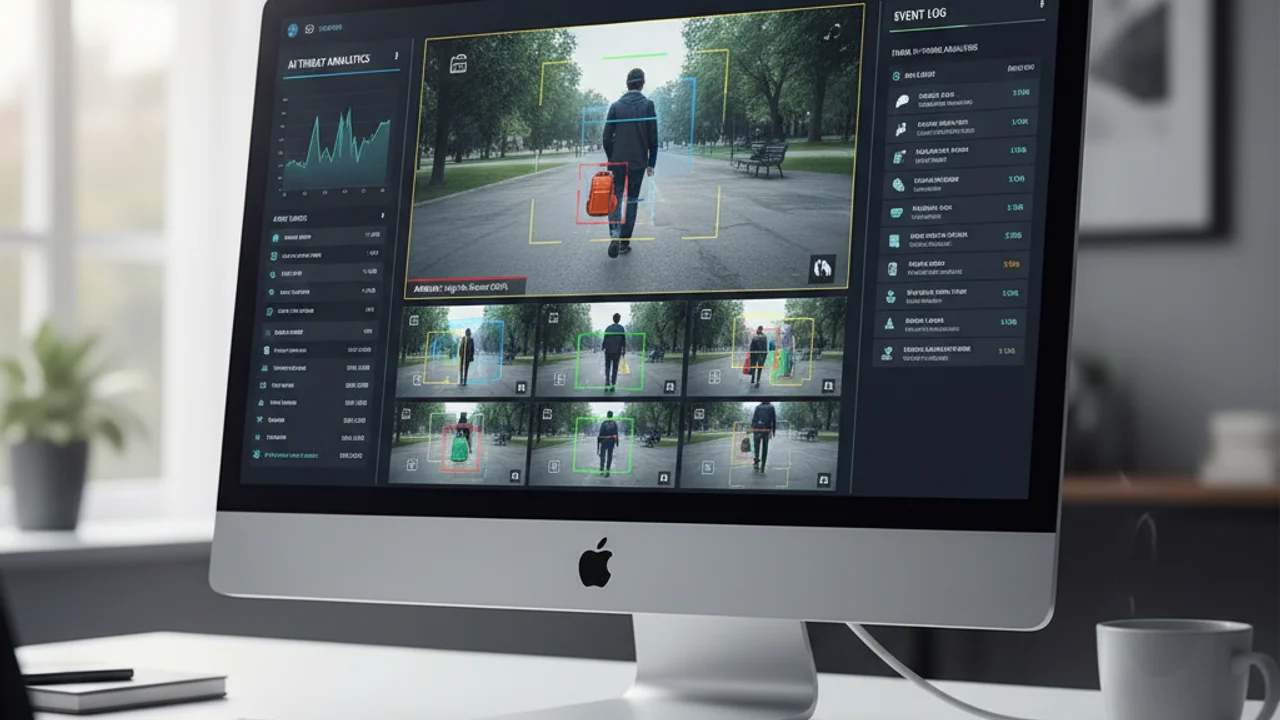
The visual analysis layer examines video content at the individual frame level, looking for inconsistencies that are invisible at normal playback speed. This includes analyzing facial consistency across frames, checking for artifacts at face boundaries, evaluating lighting coherence, and detecting the subtle statistical patterns that distinguish AI-generated imagery from authentic recordings.
For image content, the visual analysis includes provenance detection that checks for digital signatures and content credential markers embedded by cameras and editing software. These credentials, when present, provide a verifiable chain of custody for the image. When they are absent or inconsistent, it raises a flag that the content may have been generated or significantly altered. To learn more about manual visual inspection techniques, see our complete video verification guide .
Audio Analysis: Beyond What You Hear
The audio analysis layer examines the audio track for patterns that indicate manipulation or AI generation. This includes checking for audio-visual synchronization, analyzing voice characteristics for signs of synthetic generation, detecting splicing artifacts where audio segments have been joined, and evaluating ambient sound consistency.
AI-generated speech has become remarkably convincing to human ears, but it still carries statistical signatures that advanced pattern recognition can detect. Breathing patterns, micro-pauses between words, and the natural variation in pitch and rhythm that characterizes real speech all follow patterns that current voice synthesis tools struggle to replicate perfectly. Truvizy's audio analysis detects these deviations even when they fall below the threshold of human perception.
Metadata and Behavioral Signal Analysis
Beyond the content itself, Truvizy analyzes the context surrounding it. The metadata layer examines file properties, compression history, and technical characteristics that can reveal manipulation. The behavioral signal layer analyzes URL patterns, domain age and reputation, content distribution patterns, and the presence of known scam indicators such as urgency language, suspicious call-to-action patterns, and impersonation signals.
These contextual signals are particularly valuable because many scams use legitimate or only lightly modified media combined with deceptive framing. A real video clip might be re-posted with a misleading caption, used to promote a fraudulent investment, or attributed to the wrong person. The behavioral analysis catches these contextual manipulations even when the media itself is authentic.
The Proprietary Scoring Algorithm
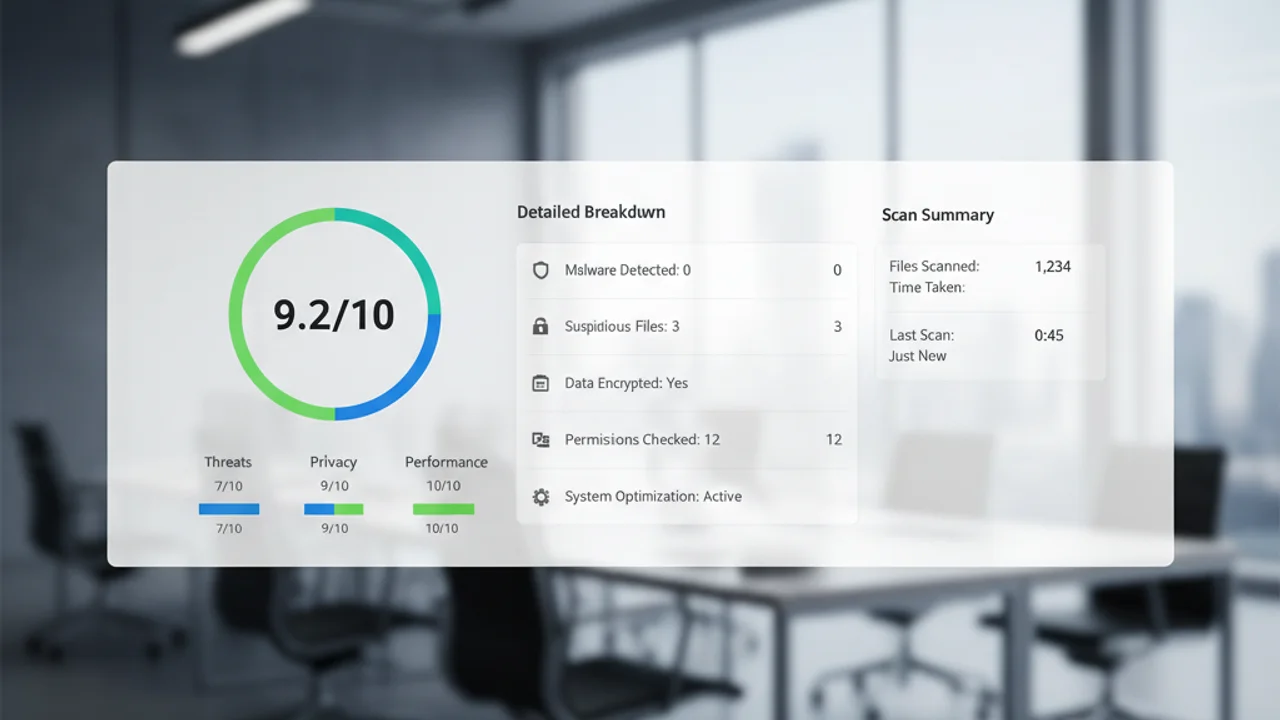
The results from all four analysis layers feed into Truvizy's proprietary scoring algorithm, which synthesizes them into a single trust score. The algorithm weights each signal based on its reliability and relevance to the specific type of content being analyzed. A video analysis weights visual and audio signals heavily, while an image analysis emphasizes visual and metadata signals. The weights are continuously refined based on the latest research and real-world detection performance.
The trust score is accompanied by a detailed breakdown showing which signals contributed to the assessment and why. This transparency is by design. Rather than presenting a black box verdict, Truvizy shows you the evidence behind the score, helping you understand not just whether the content is suspicious but specifically what makes it suspicious. This educational component helps users build their own detection intuition over time.
Why does Truvizy use multiple analysis layers instead of a single detection method?
- To make the scan take longer
- Because no single method catches every type of manipulation
- To increase the subscription cost
- Because the technology only works when combined
Answer: Sophisticated scams may defeat any individual detection method. A deepfake might pass visual inspection but fail audio analysis. By examining every dimension simultaneously, Truvizy catches what single-method detectors miss.
Quick Scan vs. Deep Scan: Two Tiers of Protection
Truvizy offers two scanning tiers to balance speed, depth, and accessibility. Quick Scan runs entirely on your device, analyzing URL patterns, content signals, and metadata indicators in under a second. It is free and unlimited, designed for rapid screening of content you encounter during normal browsing. Quick Scan catches the majority of common scam patterns and is an excellent first line of defense.
Deep Scan sends the content to Truvizy's cloud infrastructure for comprehensive AI-powered analysis. This includes frame-level visual inspection, audio analysis, provenance checking, and the full multi-layer scoring process described above. Deep Scan typically completes in 15 to 30 seconds and provides the most thorough assessment available. Free users receive a limited number of Deep Scans, with additional scans available through Truvizy's subscription plans . Try it now with the free scan tool .
Need more Deep Scans? Upgrade to Scan Pro for 40 monthly scans or Family Plan for 120 pooled scans.
Continuous Improvement: A Platform That Gets Smarter
Scam techniques evolve constantly, and Truvizy's detection capabilities evolve with them. The platform's AI models are regularly updated to address new manipulation methods, emerging scam patterns, and improvements in generative AI that make fakes harder to detect. This continuous improvement cycle ensures that the detection stays ahead of the generation technology.
User reports and feedback also contribute to the platform's intelligence. When users flag content that was not correctly classified, that information helps refine the detection models and scoring weights. This creates a virtuous cycle: the more people use Truvizy, the better it gets at protecting everyone. For a detailed comparison between AI-powered and manual detection , see our companion article.
Key Takeaways
- Multi-layer analysis examines visual, audio, metadata, and behavioral signals simultaneously.
- Quick Scan is free and instant, Deep Scan provides comprehensive AI-powered cloud analysis.
- Transparent scoring shows exactly which signals contributed to every assessment.
- Continuous model updates keep detection ahead of evolving scam techniques.
In the ongoing arms race between scam creators and scam detectors, Truvizy's multi-layer architecture provides a structural advantage. While attackers can optimize against any single detection method, simultaneously defeating visual analysis, audio analysis, metadata inspection, behavioral signals, and provenance checks is exponentially harder. That layered resilience is what makes AI-powered detection the most reliable defense available today.
Every day you wait is another day scammers have the advantage. Start scanning now, your first scans are free.
Related reading: How to Verify Video Authenticity: Manual techniques that complement AI detection
Related reading: AI Content Detection Guide: Understanding how AI-generated content is identified
Related reading: Truvizy vs. Manual Checking: See how AI detection compares to manual fact-checking
Frequently Asked Questions
How accurate is Truvizy at detecting scams?
Truvizy's multi-layer analysis achieves high accuracy by combining multiple independent detection signals. No single detector is perfect, but by analyzing visual, audio, metadata, and behavioral patterns simultaneously, the platform catches manipulations that individual methods would miss.
What is the difference between Quick Scan and Deep Scan?
Quick Scan runs instantly on your device, analyzing URL patterns, content signals, and metadata for common scam indicators at no cost. Deep Scan sends the content to Truvizy's cloud for comprehensive AI-powered analysis including visual frame analysis, audio inspection, and advanced pattern recognition.
What platforms can Truvizy scan content from?
Truvizy supports scanning videos and images from YouTube, TikTok, Instagram, Facebook, X (Twitter), and direct file uploads. Simply paste the URL or upload the file to start the analysis.
Does Truvizy store my scanned content?
Truvizy processes content only for the purpose of analysis. Video frames extracted for scanning are temporarily processed and not permanently stored. Scan results are saved to your account for reference, but the original media content is not retained.
How fast is the scanning process?
Quick Scan returns results in under a second. Deep Scan typically completes in 15 to 30 seconds depending on the length and complexity of the content. The platform is designed to deliver comprehensive analysis without requiring you to wait minutes for results.