Dropshipping Scams: When Cheap Products Cost You Everything
Learn how dropshipping scams work, the warning signs of fraudulent dropship stores, and how to avoid overpaying for low-quality products marketed with fake reviews.
· By Truvizy Research Team · 8 min read
TL;DR
Dropshipping scams use slick social media ads to sell cheap overseas products at massive markups, backed by fake reviews and manufactured urgency. Recognizing inflated pricing, reverse-image searching products, and checking seller histories can save you from wasting money on junk.
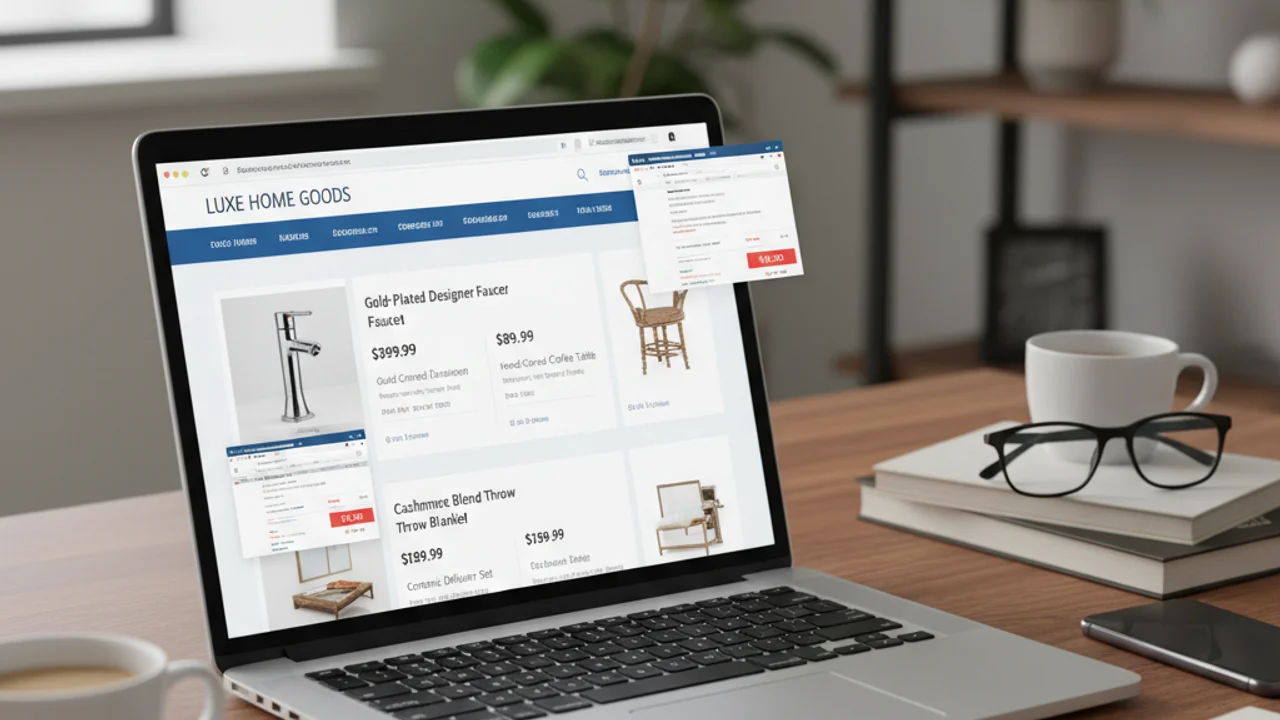
You have seen the ads. A sleek video on Instagram or TikTok showcases a revolutionary product: a self-heating coffee mug, an ergonomic posture corrector, a portable blender that fits in your pocket. The branding is polished, the reviews are glowing, and the price, while not cheap, seems reasonable for such an innovative gadget. You order it. Three weeks later, a flimsy plastic item arrives in unmarked packaging from a warehouse in Shenzhen. It barely works, looks nothing like the advertisement, and the store you bought it from has no working customer service. Welcome to the world of dropshipping scams.
Dropshipping, the practice of selling products without holding inventory by forwarding orders to third-party suppliers, is a legitimate business model used by many retailers. But it has also become one of the most prolific scam frameworks on the internet. Thousands of stores built specifically to exploit this model deceive consumers daily, selling products worth a few dollars for ten to twenty times their actual value, backed by fabricated marketing and zero accountability. The damage is measured not just in wasted money but in eroded trust in online shopping itself.
What Is Dropshipping and When Does It Become a Scam
In a standard dropshipping arrangement, a retailer lists products on their website, and when a customer places an order, the retailer purchases the item from a supplier who ships directly to the customer. The retailer profits from the markup between their selling price and the supplier's wholesale price. When done honestly with reasonable markups, accurate product descriptions, and responsive customer service, this is a perfectly valid business model.
The line between legitimate dropshipping and scam territory is crossed when sellers employ deceptive practices. This includes dramatically inflating prices far beyond what the markup would justify, using misleading or fabricated product images and videos, manufacturing fake reviews, making false claims about product features or origin, and providing little to no customer service or returns process.
The key difference is intent. A legitimate dropshipper adds value through product curation, customer support, and honest marketing. A scam dropshipper adds nothing but deception. They find cheap products on wholesale marketplaces, create a slick website in hours, produce or steal compelling social media ads, and extract as much money as possible before customer complaints catch up to them. This pattern shares many characteristics with fake online stores, though dropshipping scams technically deliver a product, just one far inferior to what was advertised.
Anatomy of a Dropshipping Scam
A typical dropshipping scam follows a well-established playbook. The operator browses wholesale marketplaces for products that photograph well and appeal to impulse buyers. Categories like kitchen gadgets, fitness accessories, beauty tools, pet products, and tech accessories are favorites because they have broad appeal and the actual products are cheap to source.
Next, the scammer creates a branded online store using template platforms. The store features a custom logo, professional-looking product pages, and an "About Us" page with a fabricated company history. Products are listed at prices that feel premium but attainable. A portable blender available for $4 wholesale becomes a "Swiss-engineered NutraBlade Pro" priced at $49.99, complete with a "50% off today only" urgency message.
The product descriptions are either copied from the wholesale listing and rewritten with marketing flair, or generated using AI tools that produce convincing copy. Images may be the actual product photographed professionally, or they may be stolen from legitimate brands selling similar but genuinely high-quality versions. Videos showing the product in use are either professionally shot by the scammer or stolen from other creators.
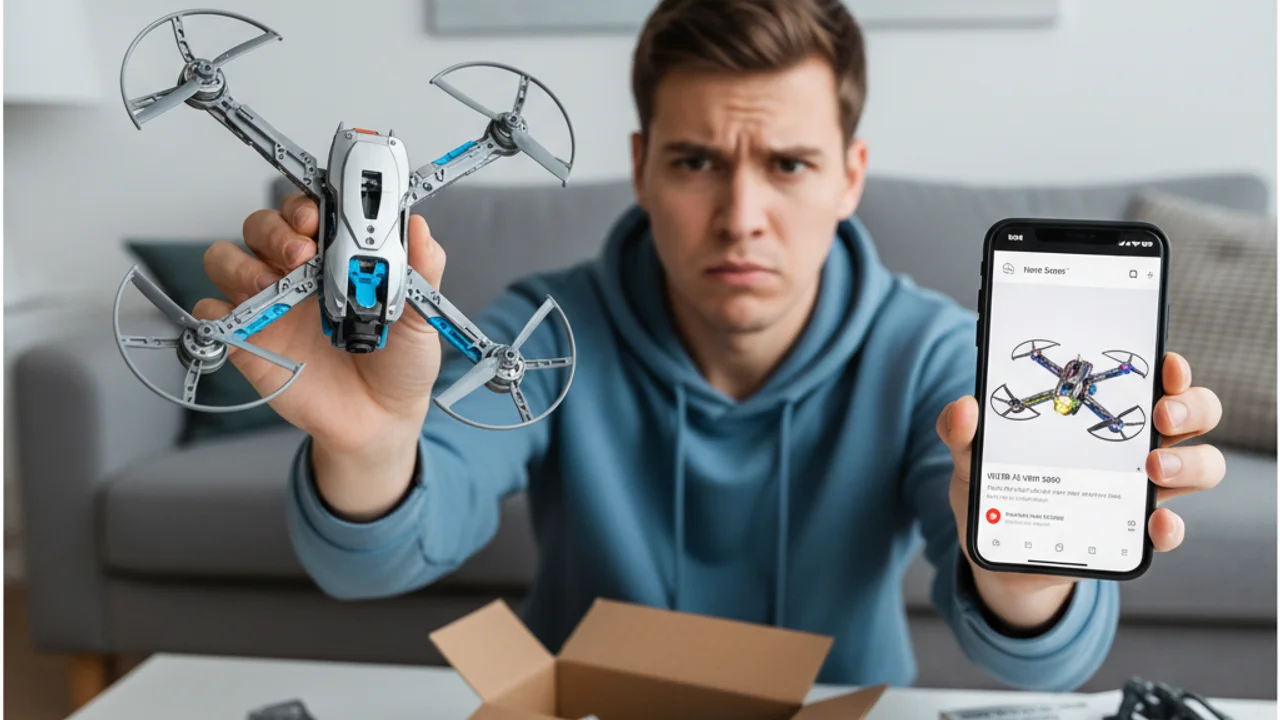
Seen a too-good-to-be-true product ad? Scan the link before buying.
The Social Media Advertising Pipeline
Social media advertising is the engine that powers dropshipping scams. The visual nature of platforms like Instagram, TikTok, and Facebook makes them ideal for showcasing products in their best light. Scam operators invest heavily in creating compelling video ads that demonstrate the product in action, often with exaggerated capabilities or in idealized settings that do not represent real-world use.
These ads are targeted with precision. Platform advertising tools allow scammers to reach specific demographics based on interests, age, location, and purchasing behavior. A kitchen gadget scam targets home cooking enthusiasts. A fitness accessory scam targets gym-goers. A tech gadget scam targets early adopters. The targeting ensures high click-through rates and makes the scam financially viable even with modest conversion rates.
Comment sections on these ads are carefully managed. Scammers either disable comments entirely or use bot accounts to post positive responses while deleting critical comments. This creates a manufactured sense of social proof that complements the fake reviews on the store itself. The same AI-powered content generation techniques used to spread misinformation are employed to create convincing fake engagement around these products.
Influencer partnerships add another layer of credibility. Some dropshipping scammers pay micro-influencers to promote their products, giving the store an appearance of legitimacy that pure advertising cannot achieve. These influencers may receive a free sample of the product, which is often a higher-quality version than what customers receive, or they may promote the store without ever using the product at all.
Warning Signs of a Dropshipping Scam Store
Several consistent red flags distinguish scam dropshipping stores from legitimate retailers. First, check the shipping times. If a store based in the United States or Europe quotes shipping times of two to four weeks, the product is almost certainly shipping from a warehouse in Asia. Legitimate domestic retailers ship within days.
Second, examine the pricing carefully. If a product seems innovative and unique but is priced under $50, search for it on wholesale marketplaces. You may find the identical product for a fraction of the price. The same item repackaged under different brand names across multiple stores is a hallmark of dropshipping scams.
Third, read the reviews critically. Product reviews that are uniformly positive, use similar language patterns, were all posted within a short time window, or come from accounts with no other review history are almost certainly fake. For detailed techniques on identifying manufactured reviews, see our guide on spotting fake reviews.
Fourth, investigate the company behind the store. A legitimate business has a verifiable physical address, a phone number that works, an email that gets responses, and a history that extends beyond a few weeks. Scam stores often have recently registered domains, no social media history predating their ads, and contact information that leads nowhere.
Fifth, scrutinize the return policy. Scam dropshipping stores make returns deliberately difficult by requiring shipping to overseas addresses at the customer's expense, imposing short return windows, or simply not responding to return requests. A return policy that is buried, vague, or practically impossible to execute is a major warning sign.
A new online store offers a 'revolutionary' kitchen gadget for $45, with 2-4 week shipping and all 5-star reviews. What should you do first?
- Buy it immediately before the sale ends
- Check wholesale marketplaces for the same product
- Trust the reviews since there are so many
- Share the ad with friends so they can buy too
Answer: Reverse-searching the product on wholesale marketplaces often reveals the identical item for a fraction of the price, confirming a dropshipping markup.
How to Verify Before You Buy
Before purchasing from any unfamiliar online store, especially one you found through a social media ad, take these verification steps. Reverse image search the product photos using Google Images or TinEye. If the same product appears on wholesale marketplaces at a fraction of the price, you are looking at a dropshipping markup.
Search the store name along with "review" and "scam" on external search engines. Check dedicated scam-reporting sites and consumer forums. Copy a sentence from the product description and search for it in quotes; if it appears on multiple other stores, the listing is copied from a template.
Use Truvizy's AI-powered scanner to analyze suspicious product ads and store links. Our detection technology identifies patterns common to fraudulent dropshipping operations, including website age, product image origins, and advertising patterns that human shoppers might miss.
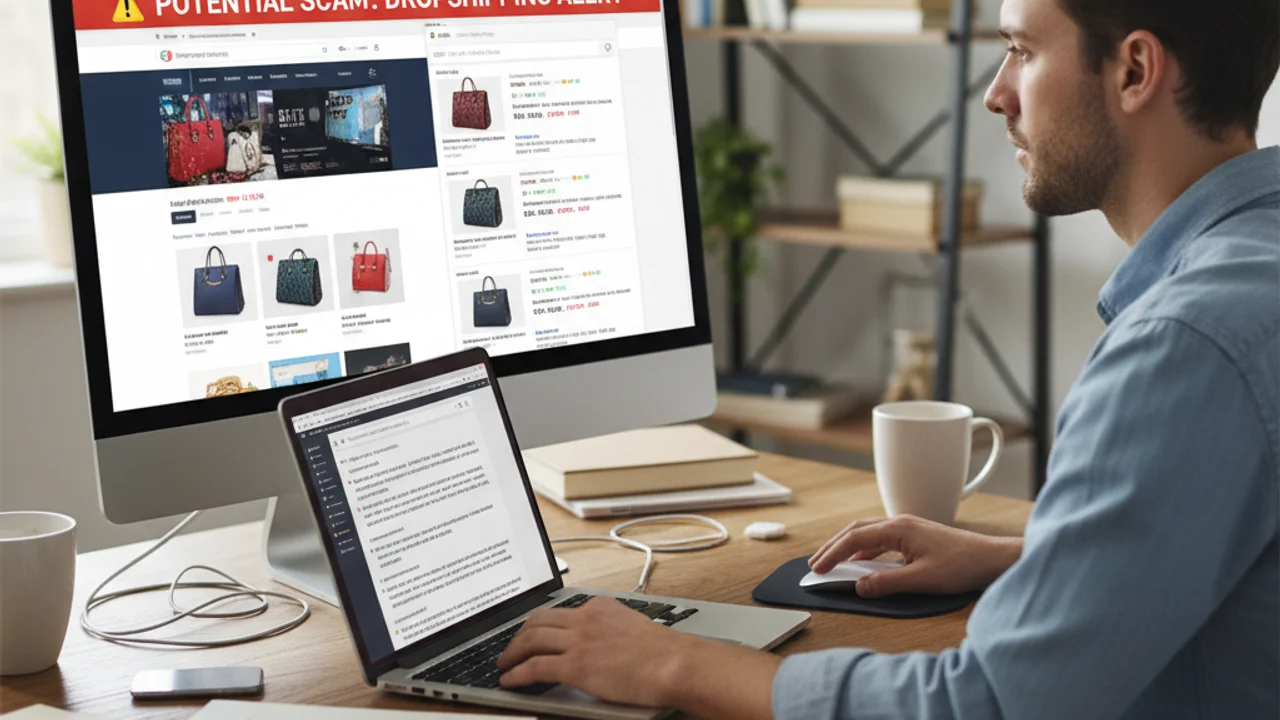
Protecting Yourself from Dropshipping Fraud
The most powerful protection is patience. Social media ads are designed to trigger impulse purchases. The countdown timers, limited stock warnings, and flash sale pricing all pressure you to buy immediately without research. Resist this. A genuinely good product will still be available tomorrow, and the five minutes you spend verifying a store can save you from a frustrating and costly experience.
Always pay with a credit card rather than a debit card or payment app when shopping at unfamiliar stores. Credit cards offer robust chargeback protections that give you recourse if the product is misrepresented or never arrives. Debit card disputes are harder to win, and payment app transfers may be irreversible.
Build a habit of checking wholesale marketplaces before purchasing trending products from social media ads. If the "innovative" product in the ad is available for a few dollars on wholesale sites, you know the store is running a massive markup. You can often purchase the same item directly from the wholesale marketplace at a fraction of the cost, understanding that quality may be modest but at least the price matches.
Key Takeaways
- Shipping times of 2-4 weeks from a domestic store indicate overseas fulfillment.
- Reverse image search products to find the same item on wholesale marketplaces.
- Always pay with a credit card for chargeback protection when buying from unfamiliar stores.
- Social media ads with countdown timers and "limited stock" warnings are designed to bypass your judgment.
Invest in digital protection tools that provide real-time analysis of shopping sites and advertisements. As dropshipping scams become more sophisticated, automated detection becomes increasingly valuable for catching deception that the human eye would miss.
Get AI-powered protection against deceptive shopping ads and fake stores.
Finally, share your experiences. If you fall victim to a dropshipping scam, report the store and the ad to the platform where you found it. Post honest reviews on consumer protection sites. Your report helps others avoid the same trap and contributes to the collective intelligence that makes scam detection more effective for everyone.
Related reading: How to Spot Fake Online Stores: Identify fraudulent e-commerce sites before you buy
Related reading: Fake Reviews: How to Spot Them: Detect manufactured ratings on Amazon, Google, and Yelp
Related reading: How to Report an Online Scam: Step-by-step guide to reporting fraud on every platform
Frequently Asked Questions
Is all dropshipping a scam?
No. Legitimate dropshipping is a legal business model where retailers fulfill orders through third-party suppliers. It becomes a scam when sellers dramatically inflate prices on cheap products, use misleading advertising, fabricate reviews, and provide no real customer service or returns.
How much are dropshipping products typically marked up?
Scam dropshipping stores commonly mark up products by 300% to 1,000% or more. An item available for $3 on wholesale marketplaces might be sold for $30 to $50 through a dropshipping scam store with polished marketing.
Can I get a refund from a dropshipping scam store?
Sometimes. Dispute the charge with your credit card company if the product is significantly different from what was advertised or never arrives. Scam stores often make returns difficult or impossible by requiring shipping to overseas addresses at your expense.
Why do social media platforms allow dropshipping scam ads?
Platforms review ads for policy violations, but the volume of advertising is enormous and scam stores are designed to look legitimate. Many scam ads run for days or weeks before being reported and removed, generating substantial revenue for both the scammer and the platform.