Facebook Marketplace Scams: A Buyer and Seller Safety Guide
Protect yourself from the most common Facebook Marketplace scams in 2026. This guide covers buyer and seller fraud tactics, red flags, and practical safety tips for every transaction.
· By Truvizy Research Team · 8 min read
TL;DR
Facebook Marketplace scams affect both buyers and sellers, ranging from fake listings and overpayment schemes to stolen goods and identity theft. With over 1 billion monthly Marketplace users, understanding the common fraud tactics and using practical safety precautions is essential for safe transactions.
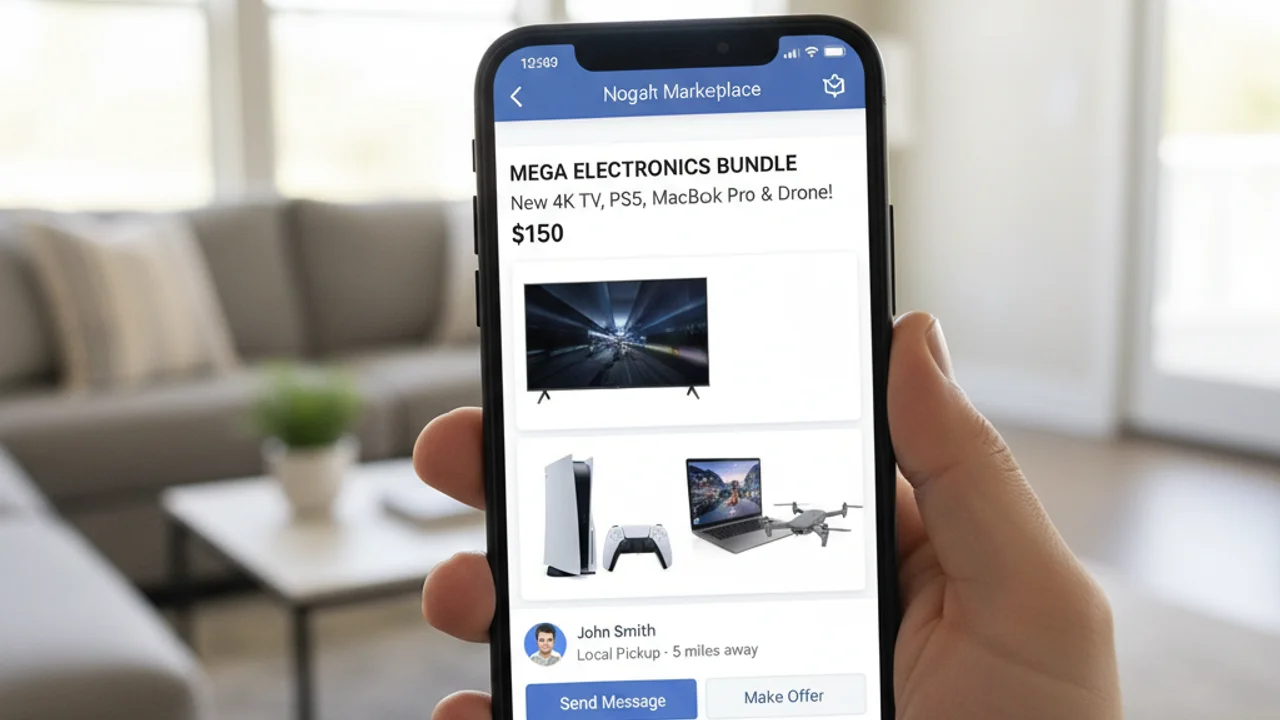
Facebook Marketplace has grown into one of the largest peer-to-peer commerce platforms in the world, with over 1 billion monthly users browsing, buying, and selling everything from furniture to vehicles to electronics. That massive volume of transactions, combined with the relative anonymity of online interactions, has created a fertile environment for fraud. In 2025, the Better Business Bureau reported that online purchase scams, with Facebook Marketplace being a top source, were the most common form of consumer fraud in North America.
Unlike traditional e-commerce platforms that handle payment processing and offer robust buyer protection, many Facebook Marketplace transactions occur informally: cash exchanges in parking lots, direct bank transfers, or payment app transactions with no recourse if something goes wrong. This informality is exactly what scammers exploit.
The Scope of Facebook Marketplace Fraud
The numbers are staggering. According to consumer protection agencies, Facebook Marketplace scam reports increased 87 percent between 2023 and 2025. The median loss per victim is approximately $400 for product scams, but rental and vehicle scams regularly cause losses in the thousands. What makes Marketplace particularly risky is the dual-sided nature of the fraud: both buyers and sellers are targeted through different but equally effective schemes.
Facebook's moderation efforts are limited by the sheer volume of listings, hundreds of millions are posted each month. While automated systems catch some obvious fraud, many scam listings look indistinguishable from legitimate ones, especially when scammers use stolen photos from real sellers and price items just slightly below market value to avoid triggering suspicion.
Scams Targeting Buyers
The most common buyer-targeted scam is the fake listing. Scammers post desirable items, popular electronics, gaming consoles, designer goods, or vehicles, at attractive prices using photos stolen from legitimate listings or retail sites. When a buyer expresses interest, the scammer creates urgency by claiming other buyers are interested and requests a deposit or full payment through methods that offer no buyer protection.
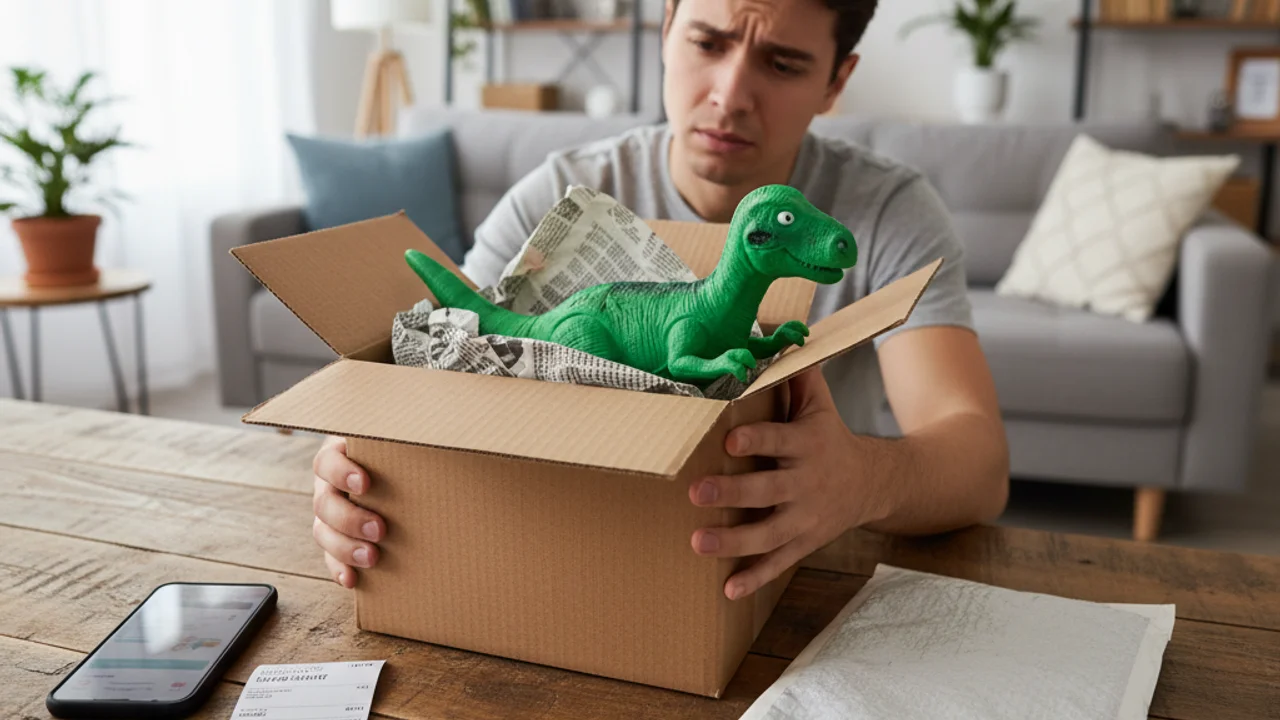
Variations include bait-and-switch scams where the delivered item differs significantly from what was advertised, counterfeit goods marketed as genuine products, items described as "like new" that arrive damaged or non-functional, and phantom listings for items that the seller never possessed. Some sophisticated operations create elaborate fake storefronts with multiple listings, positive-sounding bot reviews, and responsive communication, all designed to build enough trust to secure payment before disappearing.
Another common tactic targets buyers looking for deals on electronics. The scammer lists a high-value item like a laptop or phone at 30 to 40 percent below market price, explains the discount with a plausible story (moving abroad, need quick sale, upgrading), and insists on shipping rather than local pickup. The buyer pays through an irreversible method, and the item never arrives. This mirrors patterns seen across social platforms, including the fake shopping accounts on Instagram that use identical tactics.
Got a suspicious Marketplace listing? Scan the seller's profile content with Truvizy to check for fraud patterns.
Scams Targeting Sellers
Sellers face their own set of threats. The most prevalent is the overpayment scam. A buyer contacts a seller, agrees to the price, then "accidentally" sends a payment for more than the asking amount. They ask the seller to refund the difference. The original payment later bounces or is reversed, leaving the seller out both the item and the refunded amount.
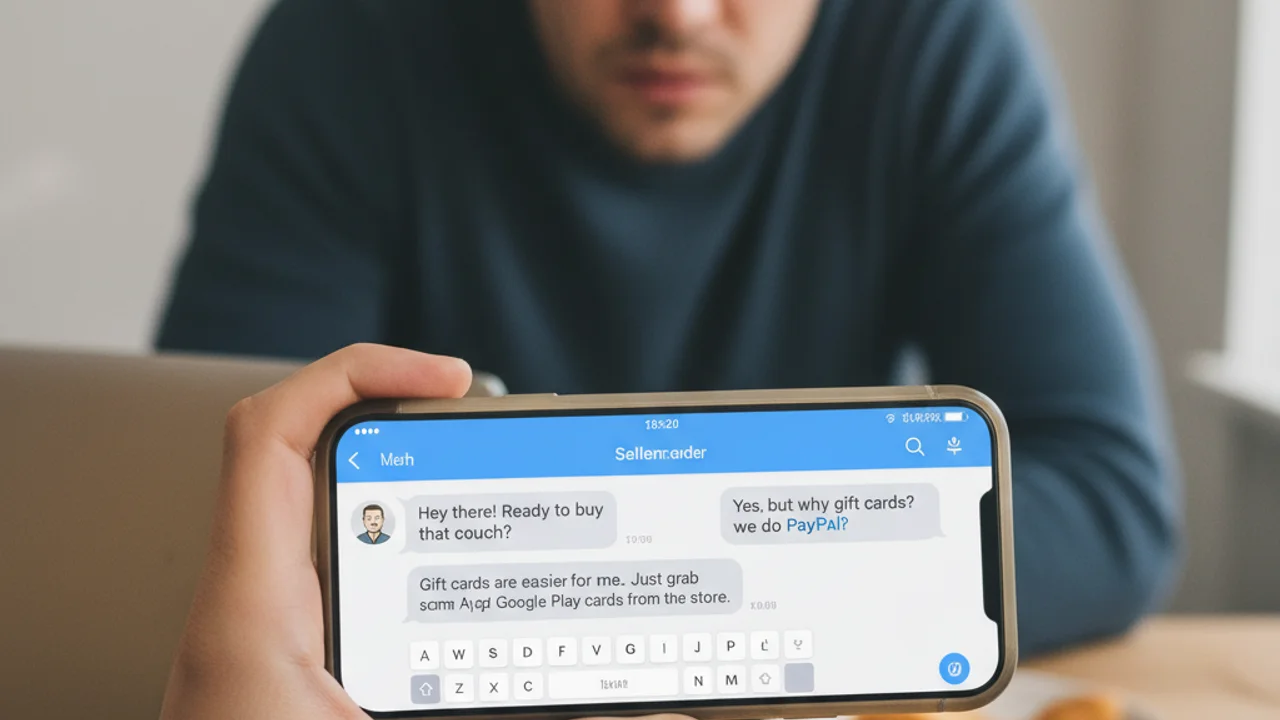
Fake payment confirmations are another major threat. Scammers send fabricated screenshots or emails that appear to show a completed payment through Zelle, Venmo, or PayPal. The seller ships the item believing they have been paid, only to discover no payment was ever received. Code-stealing scams involve a "buyer" asking the seller to confirm their identity by reading back a verification code sent to the seller's phone, a code that actually gives the scammer access to the seller's accounts.
Vehicle sellers face particular risk. Scammers use fake cashier's checks that initially appear to clear, then bounce days later. By that time, the vehicle has been handed over and the buyer has disappeared. Some schemes involve "shipping agents" who pick up the vehicle before the check fully clears, creating a window of false security for the seller.
Rental and Real Estate Scams
Rental scams on Facebook Marketplace are among the most financially harmful. Scammers list properties they do not own or manage, using photos scraped from real estate websites or legitimate rental listings. They offer attractive rental rates, conduct fake "showings" (sometimes through video chat only), and collect deposits and first month's rent before vanishing. Victims may not discover the fraud until they attempt to move in.
Warning signs include rental prices significantly below the area average, landlords who are unavailable for in-person showings, pressure to pay a deposit immediately to "secure" the property, requests for payment through wire transfers or cryptocurrency, and listings that disappear and reappear with slight modifications.
Payment Method Red Flags
The payment method a buyer or seller insists on is one of the strongest indicators of potential fraud. Be extremely cautious with gift cards as payment, no legitimate transaction requires them. Wire transfers and cryptocurrency payments are essentially irreversible and offer no buyer protection. Even peer-to-peer payment apps like Zelle and Venmo offer limited fraud protection for marketplace transactions because they are designed for payments between people who know each other.
The safest options for Facebook Marketplace transactions are cash for local pickups (verified in person at the time of exchange), Facebook's built-in checkout system which includes Purchase Protection, and PayPal Goods and Services which provides buyer protection at a small fee. If a counterparty insists on a payment method that offers you no protection, walk away. Analyzing suspicious communications with AI-powered scanning tools can help identify fraud patterns in messages before you commit to a transaction.
Which payment method is safest for a Facebook Marketplace transaction?
- Gift cards
- Wire transfer
- Cash at a public meetup location
- Cryptocurrency
Answer: Cash exchanged in person at a public location is the safest for local Marketplace transactions because you can verify the item and payment simultaneously. Gift cards, wire transfers, and cryptocurrency are all irreversible and offer no buyer protection.
How to Verify Buyer and Seller Profiles
Before completing any Marketplace transaction, take time to examine the other party's Facebook profile. Check the account creation date, profiles created within the last few months are higher risk. Look at their friends list; scam accounts typically have few friends or friends that appear to be other fake accounts. Review their Marketplace history: do they have previous listings, ratings, and reviews from other transactions?
Check for profile completeness and authenticity. Real profiles typically have photos spanning months or years, posts with genuine interactions from friends and family, and a history that extends beyond Marketplace activity. Scam profiles often have a single profile photo, no cover photo, minimal personal posts, and were recently created. For more on verifying online identities, see our guide on social media impersonation .
Safe Meetup and Transaction Practices
For local transactions, safety extends beyond financial protection to physical safety. Always meet in public, well-lit locations during daylight hours. Many police departments offer "safe exchange zones" in their parking lots with surveillance cameras specifically for online marketplace transactions. Bring a friend or family member. Never invite buyers or sellers to your home, and never go to theirs alone.
Inspect items thoroughly before exchanging money. For electronics, test that they power on and function properly. For vehicles, request a test drive and consider having a mechanic inspect the car before purchase. Never feel pressured to rush through a transaction. A legitimate buyer or seller will understand your need to verify the item and will not create artificial urgency.
Protect yourself from Marketplace fraud with AI-powered scam detection that analyzes profiles and communications.
Shipping Transaction Safety
When shipping is necessary, use Facebook's built-in checkout and shipping features whenever possible to access Purchase Protection. If transacting outside Facebook's system, insist on tracked and insured shipping. As a seller, photograph the item thoroughly before packaging, document the packing process, and retain shipping receipts. As a buyer, document the unboxing process in case you need to dispute the condition of what was received.
Never ship items before confirming payment has fully cleared. Bank transfers and checks can take several business days to clear definitively. Scammers exploit the gap between apparent clearance and actual clearance to receive goods before their fraudulent payment is detected. Consider comprehensive protection tools that provide additional layers of verification for online transactions and help you identify scam patterns before they result in financial loss.
Reporting Scams and Recovery Steps
If you have been scammed on Facebook Marketplace, act quickly. Report the listing and the scammer's profile to Facebook. If you used Facebook's checkout, file a Purchase Protection claim. Contact your bank or payment provider to dispute the charge or initiate a chargeback. File a report with the FTC at reportfraud.ftc.gov and with your local police department, especially for high-value losses.
Document everything: save all messages through Messenger, keep screenshots of the listing, preserve payment receipts and confirmation emails, and note the scammer's profile details before they delete or modify their account. This documentation is essential for both platform reports and law enforcement investigations. For phishing-related Marketplace scams where your login credentials may have been compromised, follow the security steps outlined in our guide to detecting phishing emails to secure your accounts and prevent further exposure.
Key Takeaways
- Both buyers and sellers are targeted on Facebook Marketplace, learn the specific scam tactics for each side of the transaction.
- Never pay with gift cards, wire transfers, or cryptocurrency. Use cash for local pickups or Facebook\
- ,
- ,
Related reading: Social Media Impersonation: How to verify online identities and protect yourself from fake profiles.
Related reading: Phishing Email Detection: Recognize phishing emails that often accompany Marketplace scams.
Related reading: How to Report an Online Scam: Step-by-step guide to reporting fraud to platforms, the FTC, and law enforcement.
Frequently Asked Questions
What are the most common Facebook Marketplace scams?
The most common scams include fake listings with stolen product photos, overpayment scams where a buyer sends a fake check for more than the asking price, shipping scams where items never arrive, rental scams advertising properties the scammer does not own, gift card payment requests, and phishing links sent through Messenger.
Is Facebook Marketplace safe to use?
Facebook Marketplace can be safe when you take proper precautions: meet in public places for local transactions, never pay with gift cards or wire transfers, use Facebook's built-in payment protection when shipping items, verify buyer and seller profiles before transacting, and trust your instincts if something feels off.
How do I spot a fake listing on Facebook Marketplace?
Red flags for fake listings include prices significantly below market value, stock photos or images that appear on other listings, sellers who refuse to meet locally, pressure to complete the transaction quickly, requests for payment through non-standard methods, and newly created profiles with no purchase history.
What should I do if I get scammed on Facebook Marketplace?
Report the scam to Facebook through the listing or profile, file a complaint with the FTC at reportfraud.ftc.gov, contact your bank or payment provider to dispute the charge, file a police report if the loss is significant, and document all communications and transaction details for evidence.
Does Facebook offer buyer protection on Marketplace?
Facebook offers Purchase Protection for eligible transactions completed through the checkout feature on Marketplace. This covers items not received, items significantly different from the listing, and unauthorized purchases. However, protection does not cover local pickup transactions, vehicle sales, or transactions completed outside Facebook's checkout system.