ការបោកប្រាស់ Zelle និង Venmo ២០២៦៖ ហេតុអ្វីបានជាធនាគាររបស់អ្នកនឹងមិនសងប្រាក់មកវិញ
ការបោកប្រាស់ Zelle និង Venmo បណ្ដាលឱ្យជនជាតិអាមេរិកខាតបង់ជាង $870 លានក្នុងឆ្នាំ ២០២៤ ហើយជនរងគ្រោះភាគច្រើនមិនដែលទទួលបានសំណងវិញឡើយ។ ស្វែងយល់ពីការបោកប្រាស់កម្មវិធីទូទាត់ប្រាក់ដ៏ពេញនិយមទាំងប្រាំពីរ និងរបៀបការពារខ្លួនអ្នកមុនពេលផ្ញើប្រាក់។
· Truvizy Research Team · 8 min read
TL;DR
ការបោកប្រាស់ Zelle និង Venmo ត្រូវបានរចនាឡើងដើម្បីគេចផុតពីការការពារការក្លែងបន្លំរបស់ធនាគារ។ ដោយសារអ្នក "អនុញ្ញាត" ការផ្ទេរប្រាក់ដោយខ្លួនឯង ធនាគាររបស់អ្នកជាធម្មតាចាត់ទុកការបាត់បង់នេះជាកំហុសរបស់អ្នក ទោះបីជាអ្នកត្រូវបានបោកបញ្ឆោតក៏ដោយ។ ការបោកប្រាស់ប្រាំពីរប្រភេទដែលកើតមានញឹកញាប់បំផុតរួមមាន ការទិញទំនិញក្លែងក្លាយ ការហៅទូរស័ព្ទក្លែងជាអ្នកតំណាង ការបង់ប្រាក់លើសដោយចៃដន្យ អន្ទាក់ស្នេហា ប្រាក់តម្កល់ជួលផ្ទះ ការទាមទារពានរង្វាន់ និងល្បិច "ផ្ទេរប្រាក់សាកល្បង"។ សូមផ្ទៀងផ្ទាត់អ្នកទទួលរាល់ពេល កុំផ្ញើប្រាក់ទៅអ្នកដែលអ្នកមិនធ្លាប់ជួបផ្ទាល់ជាដាច់ខាត និងប្រើកាតឥណទានសម្រាប់ការទិញទំនិញជំនួសវិញ។
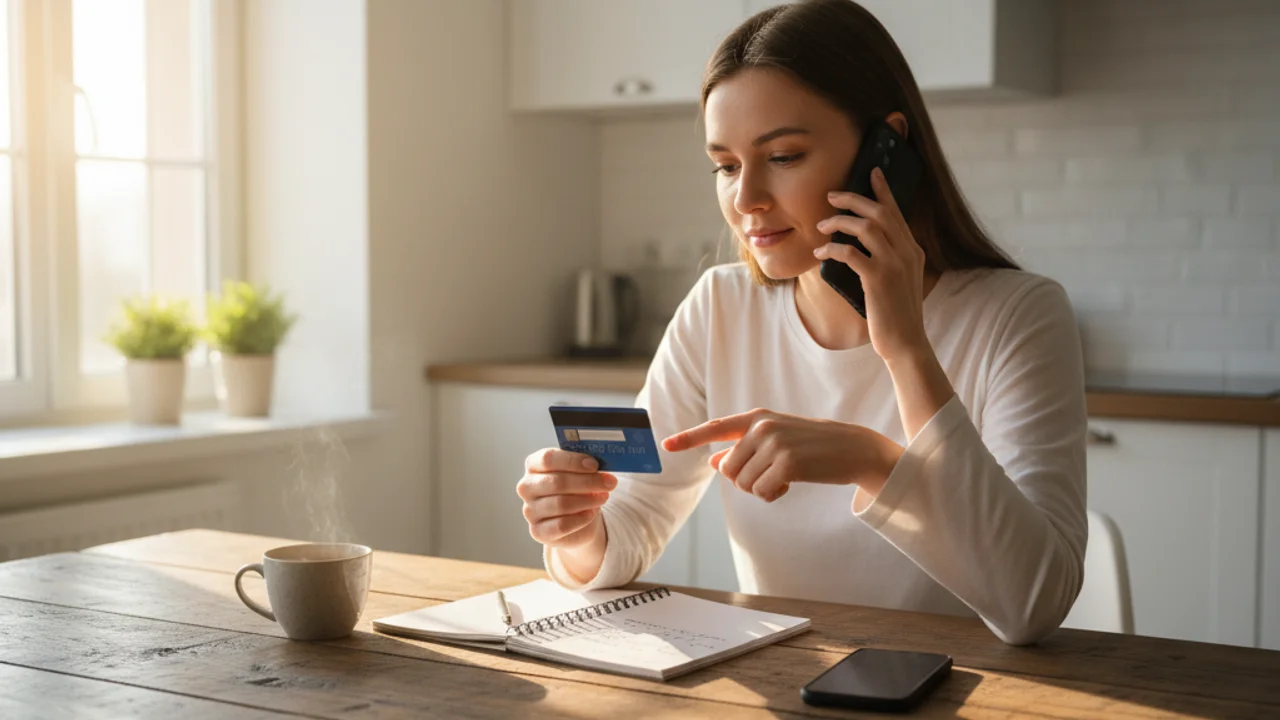
ម៉ោង ៩:៤៧ យប់ថ្ងៃអង្គារ ទូរស័ព្ទរបស់អ្នករោទ៍ដោយការហៅមួយដែលមើលទៅដូចជាមកពីខ្សែទូរស័ព្ទប្រឆាំងការក្លែងបន្លំរបស់ធនាគាររបស់អ្នក។ សំឡេងម្ខាងទៀតប្រាប់ថាមាននរណាម្នាក់កំពុងព្យាយាមទាញយកលុយចេញពីគណនីមូលប្បទានប័ត្ររបស់អ្នក ហើយវិធីតែមួយគត់ដើម្បីបញ្ឈប់វា គឺត្រូវផ្ញើប្រាក់ទៅ "គណនីសង្គ្រោះដែលមានសុវត្ថិភាព" ដោយប្រើ Zelle ឥឡូវនេះភ្លាមៗ។ អ្នកធ្វើតាម។ ម្ភៃនាទីក្រោយមក ធនាគារពិតប្រាកដប្រាប់អ្នកថាគ្មានគណនីសង្គ្រោះបែបនោះទេ ប្រាក់បានបាត់ទៅហើយ ហើយដោយសារអ្នកជាអ្នកអនុញ្ញាតការផ្ទេរប្រាក់នោះដោយខ្លួនឯង អ្នកមិនទំនងជាទទួលបានវាមកវិញឡើយ។ ការបោកប្រាស់ដូចគ្នាបេះបិទនេះ ត្រូវបានធ្វើម្ដងហើយម្ដងទៀតជាច្រើនរយទម្រង់ គឺជាមូលហេតុដែលការក្លែងបន្លំ Zelle និង Venmo ឥឡូវនេះលើសពី $870 លានដុល្លារក្នុងមួយឆ្នាំនៅសហរដ្ឋអាមេរិកតែមួយប៉ុណ្ណោះ។
ចម្លើយរហ័ស
អ្វីដែលធ្វើឱ្យការបោកប្រាស់ Zelle និង Venmo ខុសពីគេ
ការក្លែងបន្លំកាតឥណទានអាចត្រឡប់វិញបាន។ ច្បាប់សហព័ន្ធកំណត់ការទទួលខុសត្រូវរបស់អ្នកត្រឹមតែ $50 ហើយការទាមទារប្រាក់វិញអនុញ្ញាតឱ្យអ្នកជំទាស់នឹងការគិតប្រាក់ដោយផ្ទាល់ជាមួយធនាគារចេញកាត។ Zelle និង Venmo មិនដំណើរការបែបនោះទេ។ សេវាកម្មផ្ទាល់ខ្លួនទៅផ្ទាល់ខ្លួន (P2P) ទាំងនេះត្រូវបានរចនាឡើងឱ្យដូចជាសាច់ប្រាក់៖ លឿនភ្លាមៗ មិនអាចត្រឡប់វិញបាន និងចុងក្រោយ។ នៅពេលអ្នកចុចផ្ញើ ប្រាក់នឹងផ្លាស់ទីពីគណនីធនាគាររបស់អ្នកទៅអ្នកទទួលក្នុងរយៈពេលប៉ុន្មានវិនាទី ហើយកម្មវិធីចាត់ទុកប្រតិបត្តិការនោះថាបានបញ្ចប់។
ជម្រើសរចនាបែបនេះហើយដែលធ្វើឱ្យការបោកប្រាស់ Zelle កាន់តែគួរឱ្យខ្លាច។ យោងតាមរបាយការណ៍គណៈកម្មាធិការស៊ើបអង្កេតអចិន្ត្រៃយ៍ព្រឹទ្ធសភាឆ្នាំ ២០២៣ ធនាគារធំបំផុតទាំងបួននៅសហរដ្ឋអាមេរិក (JPMorgan Chase, Bank of America, Wells Fargo និង U.S. Bank) បានសងប្រាក់សំណងត្រឹមតែ ៣៥% នៃអតិថិជនដែលបានរាយការណ៍ការក្លែងខ្លួនជាអ្នកតំណាង Zelle រវាងឆ្នាំ ២០២១ និង ២០២២។ បទប្បញ្ញត្តិ CFPB ឆ្នាំ ២០២៥ បានពង្រីកកាតព្វកិច្ចសងប្រាក់សម្រាប់ការក្លែងខ្លួនជាអ្នកតំណាងមួយចំនួន ប៉ុន្តែប្រភេទការក្លែងបន្លំភាគច្រើននៅតែស្ថិតក្រៅការការពារ Regulation E ព្រោះអ្នកប្រើប្រាស់បានអនុញ្ញាតការផ្ទេរប្រាក់នោះតាមបច្ចេកទេស។
របៀបដែលការបោកប្រាស់ Zelle និង Venmo ដំណើរការ
ទោះបីជារឿងរ៉ាវដែលជនបោកប្រាស់និយាយមានច្រើនប្រភេទក៏ដោយ យន្តការទាំងនោះសុទ្ធតែធ្លាក់ចូលទៅក្នុងលំនាំស្នូលចំនួនប្រាំពីរ។ ការសម្គាល់រចនាសម្ព័ន្ធនេះមានតម្លៃជាងការចងចាំរឿងគ្របបាំង ព្រោះរឿងគ្របបាំងផ្លាស់ប្ដូរជារៀងរាល់សប្ដាហ៍ ចំណែករចនាសម្ព័ន្ធនៅដដែល។
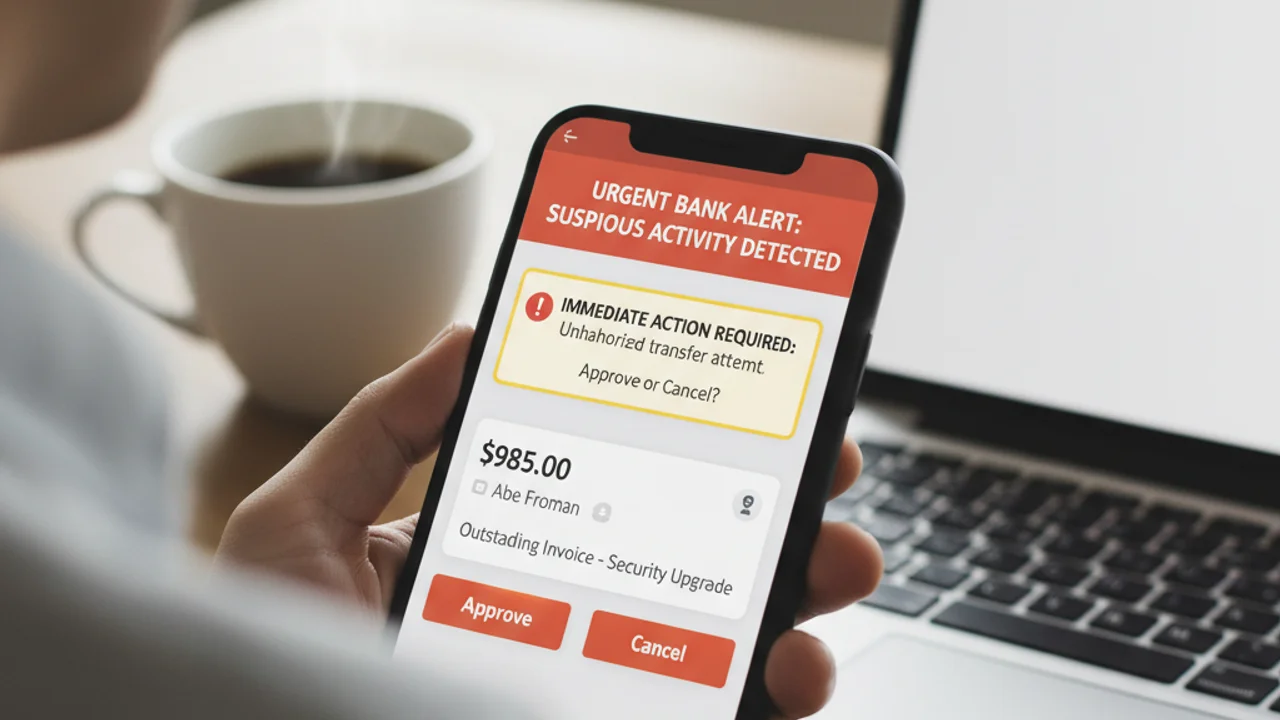
សញ្ញាព្រមានសម្រាប់សម្គាល់ការបោកប្រាស់កម្មវិធីទូទាត់ប្រាក់
សូម្បីតែសញ្ញាមួយក្នុងចំណោមទាំងនេះក៏សមនឹងឱ្យអ្នកឈប់ដែរ។ ពីរ ឬច្រើនជាងនេះរួមគ្នា មានន័យថាអ្នកកំពុងប្រឈមមុខនឹងការបោកប្រាស់។
ទទួលបានសំណើទូទាត់ប្រាក់ រូបថតអេក្រង់ ឬតំណភ្ជាប់គួរឱ្យសង្ស័យមែនទេ? ស្កេនវានៅ Truvizy មុនពេលអ្នកផ្ញើប្រាក់សូម្បីតែមួយដុល្លារ។
របៀបដែល Truvizy រកឃើញការបោកប្រាស់កម្មវិធីទូទាត់ប្រាក់
ការរកឃើញដោយ AI របស់ Truvizy ធ្វើការលើសម្ភារៈដែលនៅជុំវិញការក្លែងបន្លំកម្មវិធីទូទាត់ប្រាក់ មិនមែនការផ្ទេរប្រាក់ផ្ទាល់ទេ។ នៅពេលជនបោកប្រាស់ស្នេហាផ្ញើវីដេអូយំសោកសុំប្រាក់ Venmo សង្គ្រោះបន្ទាន់ ការវិភាគច្រើនស្រទាប់របស់ Truvizy នឹងកំណត់សញ្ញានៃការបង្កើតដោយសិប្បនិម្មិត។ នៅពេលម្ចាស់ផ្ទះក្លែងក្លាយចែករំលែករូបថតបន្ទប់ជួលដែលអះអាងថា "គាត់ជាម្ចាស់" Truvizy អាចប្រៀបធៀបជាមួយលទ្ធផលរូបភាពត្រឡប់ដែលគេស្គាល់រួចមកហើយ។ នៅពេលសារ smishing ពី "Zelle Security" តភ្ជាប់ទៅទំព័រហ្វីស្ស៊ីង ម៉ាស៊ីនវាយតម្លៃកេរ្តិ៍ឈ្មោះ URL របស់ Truvizy អាចដាក់ទង់ទិសដៅនោះមុនពេលអ្នកចុចផ្ញើ។
នេះសំខាន់ ព្រោះនៅពេលអ្នកបញ្ចូលព័ត៌មានអ្នកទទួលក្នុងកម្មវិធី Zelle របស់អ្នករួចហើយ អ្នកនៅសល់តែពីរបីវិនាទីមុនការផ្ទេរប្រាក់ដែលមិនអាចត្រឡប់វិញបាន។ ការការពារត្រូវតែកើតឡើងមុននេះ គឺនៅលើសារ រូបថតអេក្រង់ គណនីណាត់ជួប រូបថតការផ្សាយផ្ទះជួល ឬវីដេអូក្លែងខ្លួន។ សូមផ្ញើមួយណាមួយក្នុងចំណោមទាំងនេះទៅ truvizy.app ហើយអ្នកនឹងទទួលបានលទ្ធផលក្នុងរយៈពេលប៉ុន្មានវិនាទី មុនពេលប្រាក់បាត់។
អ្វីត្រូវធ្វើ បើអ្នកត្រូវបានបោកប្រាស់
ល្បឿននិងឯកសារភស្តុតាងជាកត្តាសំខាន់បំផុត។ ទោះបីជាឱកាសយកប្រាក់មកវិញមានតិចក៏ដោយ អ្នកអាចបង្កើនវាបានយ៉ាងច្រើនដោយធ្វើសកម្មភាពក្នុងរយៈពេល ២៤ ម៉ោងដំបូង។
ទាក់ទងធនាគាររបស់អ្នកភ្លាមៗ ហើយស្នើសុំការស៊ើបអង្កេត Regulation E ជាលាយលក្ខណ៍អក្សរ។ ទោះបីជាការបោកប្រាស់ការផ្ទេរប្រាក់ដែលបានអនុញ្ញាតភាគច្រើនស្ថិតក្រៅ Regulation E ក៏ដោយ ចូរបង្ខំឱ្យធនាគារកត់ត្រាការបដិសេធនោះជាលាយលក្ខណ៍អក្សរ។ របាយការណ៍ព្រឹទ្ធសភា PSI ឆ្នាំ ២០២៣ រកឃើញថាអតិថិជនដែលបានប្ដឹងជាលាយលក្ខណ៍អក្សរទទួលបានប្រាក់មកវិញក្នុងអត្រា ៤១% បើធៀបនឹង ៩% សម្រាប់ការតវ៉ាតាមទូរស័ព្ទតែប៉ុណ្ណោះ។
ដាក់ពាក្យបណ្ដឹងទៅ CFPB នៅ consumerfinance.gov/complaint។ ការិយាល័យការពារហិរញ្ញវត្ថុអតិថិជនទាក់ទងធនាគារដោយផ្ទាល់ក្នុងនាមអ្នក ហើយតាមដានលំនាំនៃការឆ្លើយតប។ ធនាគារត្រូវតែឆ្លើយតប ហើយសម្ពាធពីអាជ្ញាធរបានបង្កើនអត្រាសំណងយ៉ាងច្បាស់ចាប់តាំងពីឆ្នាំ ២០២៤។
រាយការណ៍ទៅ FTC និង FBI។ ដាក់ពាក្យបណ្ដឹងនៅ reportfraud.ftc.gov និង ic3.gov។ របាយការណ៍ទាំងនេះបញ្ចូលដោយផ្ទាល់ទៅក្នុងមូលដ្ឋានទិន្នន័យស៊ើបអង្កេតដែលប្រើដោយក្រសួងយុត្តិធម៌ និងព្រះរាជអាជ្ញារដ្ឋ។ សូមភ្ជាប់រូបថតអេក្រង់ ឈ្មោះអ្នកប្រើប្រាស់អ្នកទទួល លេខសម្គាល់ប្រតិបត្តិការ និងទំនាក់ទំនងណាមួយ។
រាយការណ៍ទៅកម្មវិធីខ្លួនឯង។ នៅក្នុង Zelle សូមរាយការណ៍ក្នុងកម្មវិធីធនាគាររបស់អ្នកនៅផ្នែក "Report a Problem"។ សម្រាប់ Venmo សូមប្រើមុខងាររាយការណ៍ក្នុងកម្មវិធី និងផ្នែកជំនួយអតិថិជន Venmo។ ទោះបីជាទាំងពីរជាធម្មតាមិនត្រឡប់ការផ្ទេរប្រាក់ដែលបានអនុញ្ញាតវិញក៏ដោយ ការរាយការណ៍ជួយបិទគណនីអ្នកទទួល និងជួយការពារជនរងគ្រោះនាពេលអនាគត។
បើការហៅទូរស័ព្ទក្លែងជា "ធនាគារ" ជាចំណុចចាប់ផ្ដើមនៃការបោកប្រាស់ សូមដាក់ពាក្យបណ្ដឹងទៅ FCC នៅ consumercomplaints.fcc.gov។ ការក្លែងបន្លំលេខទូរស័ព្ទហៅចូលជាបទឧក្រិដ្ឋសហព័ន្ធ ហើយការអនុវត្តច្បាប់របស់ FCC បានដាក់ទណ្ឌកម្មរាប់លានដុល្លារលើប្រតិបត្តិការក្លែងបន្លំដែលកំណត់គោលដៅអ្នកប្រើប្រាស់កម្មវិធីទូទាត់ប្រាក់។
Key Takeaways
- Zelle និង Venmo ត្រូវបានរចនាឡើងដូចជាសាច់ប្រាក់៖ នៅពេលអ្នកចុចផ្ញើ ប្រាក់នោះបាត់ភ្លាមៗ ទោះបីជាអ្នកត្រូវបានបញ្ឆោតក៏ដោយ។
- ធនាគារបដិសេធសំណើសំណង ៦៥% នៃការក្លែងបន្លំ Zelle ព្រោះការផ្ទេរប្រាក់នោះត្រូវបានចាត់ទុកថា "បានអនុញ្ញាត" តាមបច្ចេកទេស។
- កុំផ្ញើប្រាក់ទៅមនុស្សចម្លែក កុំសងប្រាក់លើសដែលទទួល "ដោយចៃដន្យ" និងកុំជឿអ្នកហៅទូរស័ព្ទដែលបង្ខិតបង្ខំឱ្យអ្នកផ្លាស់ទីប្រាក់។
- បើត្រូវបានបោកប្រាស់ សូមដាក់ពាក្យបណ្ដឹងជាលាយលក្ខណ៍អក្សរទៅធនាគាររបស់អ្នក CFPB FTC FBI IC3 និងកម្មវិធីខ្លួនឯង ក្នុងរយៈពេល ២៤ ម៉ោង។
កំណត់សម្គាល់ការវិភាគអ្នកជំនាញ៖ ការក្លែងបន្លំកម្មវិធីទូទាត់ប្រាក់ឥឡូវនេះជាប្រភេទការបោកប្រាស់ដែលមានល្បឿនកើនឡើងលឿនបំផុតដែលបានកត់ត្រានៅក្នុងមូលដ្ឋានទិន្នន័យ Consumer Sentinel របស់ FTC ដោយកើនឡើងលឿនជាងការហ្វីស្ស៊ីងតាមអ៊ីមែលបួនដង និងលឿនជាងការក្លែងបន្លំតាមប្រៃសណីយ៍ប្រាំពីរដង។ រចនាសម្ព័ន្ធច្បាប់ដែលធ្វើឱ្យ Zelle និង Venmo អាចកើតមានឡើង (លឿនភ្លាមៗ ផ្ទាល់ខ្លួនទៅផ្ទាល់ខ្លួន និងមិនអាចត្រឡប់វិញបាន) គឺជារចនាសម្ព័ន្ធដូចគ្នាដែលឧក្រិដ្ឋជនប្រើប្រាស់ជាអាវុធ។ តួនាទីរបស់ Truvizy ក្នុងខ្សែសង្វាក់នេះគឺបង្ការទុកជាមុន៖ ស្កេនសម្ភារៈវិស្វកម្មសង្គមមុនពេលអ្នកបើកកម្មវិធីទូទាត់ប្រាក់ផងសោះ។
ទូរស័ព្ទរបស់អ្នករោទ៍ លេខអ្នកហៅបង្ហាញធនាគាររបស់អ្នក ហើយភ្នាក់ងារនិយាយថាហេគឃ័រកំពុងទាញយកលុយពីគណនីរបស់អ្នក ប៉ុន្តែអ្នកអាចសង្គ្រោះប្រាក់បានដោយផ្ញើ Zelle ចំនួន $4,000 ទៅ "គណនីអង្ការសុវត្ថិភាព"។ តើសកម្មភាពត្រឹមត្រូវគឺជាអ្វី?
- ផ្ញើ Zelle ភ្លាមៗ ដើម្បីឱ្យធនាគារជួយសង្គ្រោះប្រាក់
- ដាក់ទូរស័ព្ទចុះ ហៅទៅលេខនៅខាងក្រោយកាតឥណពន្ធរបស់អ្នក ហើយផ្ទៀងផ្ទាត់ស្ថានភាពជាមួយធនាគារពិតប្រាកដ
- នៅលើខ្សែទូរស័ព្ទ ហើយសុំឱ្យភ្នាក់ងារផ្ដល់លេខសម្គាល់និយោជិតដើម្បីផ្ទៀងផ្ទាត់
- ផ្ញើ Zelle សាកល្បងតូចមួយចំនួន $100 មុន ដើម្បីប្រាកដថាភ្នាក់ងារនោះស្របច្បាប់
Answer: ធនាគារពិតប្រាកដមិនដែលសុំឱ្យអ្នកផ្ញើ Zelle ដល់ខ្លួនឯង ឬផ្លាស់ទីប្រាក់ទៅគណនី "អង្ការ" ឬ "សង្គ្រោះ" ឡើយ។ ការក្លែងបន្លំលេខអ្នកហៅធ្វើឱ្យលេខចូលមើលទៅដូចជាពិត។ ការផ្ទៀងផ្ទាត់ដែលមានសុវត្ថិភាពតែមួយគត់គឺដាក់ទូរស័ព្ទចុះ ហើយហៅទៅលេខនៅខាងក្រោយកាតរបស់អ្នក។ សូម្បីតែការផ្ទេរប្រាក់ Zelle តែមួយទៅជនបោកប្រាស់ក៏បញ្ចប់ការការពាររួចហើយ៖ ប្រាក់នោះមិនអាចត្រឡប់វិញបានភ្លាមៗពេលអ្នកចុចផ្ញើ។
សំណួរដែលសួរញឹកញាប់
តើខ្ញុំអាចទាញយកប្រាក់មកវិញពីការបោកប្រាស់ Zelle ឬ Venmo បានទេ?
ជាធម្មតាទេ។ ដោយសារអ្នកបានអនុញ្ញាតការទូទាត់ ធនាគារភាគច្រើនចាត់ថ្នាក់វាថាជាកំហុសអ្នកប្រើប្រាស់ មិនមែនការក្លែងបន្លំទេ។ ក្រោយរបាយការណ៍ព្រឹទ្ធសភាឆ្នាំ ២០២៣ Zelle បានចាប់ផ្ដើមសងប្រាក់ជនរងគ្រោះនៃការក្លែងខ្លួនជាអ្នកតំណាង ហើយបទប្បញ្ញត្តិ CFPB ដែលចូលជាធរមានក្នុងឆ្នាំ ២០២៥ បានពង្រីកការការពារបន្ថែម។ ទោះជាយ៉ាងណា មានតែជនរងគ្រោះប្រមាណ ១ ក្នុងចំណោម ៤ នាក់ប៉ុណ្ណោះទទួលបានសំណងពេញលេញ។ សូមរាយការណ៍ភ្លាមទៅធនាគាររបស់អ្នក ទៅ FTC តាមរយៈ reportfraud.ftc.gov និងព្រះរាជអាជ្ញារដ្ឋរបស់អ្នក។
ហេតុអ្វីបានជាធនាគាររបស់ខ្ញុំមិនសងសំណងការបោកប្រាស់ Zelle?
ស្របតាមបទប្បញ្ញត្តិ Regulation E ធនាគារត្រូវសងប្រាក់សម្រាប់ការផ្ទេរប្រាក់ដែលមិនបានអនុញ្ញាត ប៉ុន្តែការបោកប្រាស់ Zelle ភាគច្រើនត្រូវបានចាត់ថ្នាក់ថាបានអនុញ្ញាតរួចមកហើយ ព្រោះអ្នកជាអ្នកផ្ដើមធ្វើប្រតិបត្តិការនោះដោយខ្លួនឯង។ ធនាគារចាត់ទុកអ្នកជាអ្នកទទួលខុសត្រូវ ទោះបីជាអ្នកត្រូវបានបញ្ឆោតក៏ដោយ។ របាយការណ៍គណៈកម្មាធិការស៊ើបអង្កេតអចិន្ត្រៃយ៍ព្រឹទ្ធសភាឆ្នាំ ២០២៣ រកឃើញថាធនាគារធំបំផុតទាំងបួននៅសហរដ្ឋអាមេរិកបានបដិសេធសំណើសំណង ៦៥% នៃការបោកប្រាស់ Zelle។ សូមប្ដឹងជាលាយលក្ខណ៍អក្សរជានិច្ច ហើយប្ដឹងឧទ្ធរណ៍ទៅ CFPB តាមរយៈ consumerfinance.gov ប្រសិនបើត្រូវបានបដិសេធ។
តើអ្វីជាការបោកប្រាស់ Zelle និង Venmo ដ៏ពេញនិយមបំផុតក្នុងឆ្នាំ ២០២៦?
ប្រភេទទាំងប្រាំពីរដែលត្រូវបានរាយការណ៍ច្រើនជាងគេនៅក្នុងមូលដ្ឋានទិន្នន័យ Consumer Sentinel របស់ FTC គឺ៖ ការទិញទំនិញក្លែងក្លាយលើទីផ្សារអនឡាញ (ទំនិញដែលមិនដែលបញ្ជូនមកដល់) ការហៅទូរស័ព្ទក្លែងធនាគារទាមទារឱ្យផ្ទេរប្រាក់ក្រោមឈ្មោះ "ការការពារការក្លែងបន្លំ" ការស្នើសុំសងប្រាក់លើសដោយចៃដន្យ ការផ្ទេរប្រាក់មុនពេលជួបគ្នាលើកម្មវិធីណាត់ជួប ការបោកប្រាស់ប្រាក់តម្កល់ជួលផ្ទះ ថ្លៃទាមទារពានរង្វាន់ និងអំណោយ និងល្បិច "ផ្ញើប្រាក់សាកល្បង" ដែលប្រើដោយជនបោកប្រាស់ការងារ។
តើ Truvizy អាចរកឃើញការបោកប្រាស់ការទូទាត់ប្រាក់ Zelle និង Venmo បានទេ?
ការវិភាគដោយ AI របស់ Truvizy នៅ truvizy.app ស្កេនតំណភ្ជាប់ រូបថតអេក្រង់ គណនី និងវីដេអូគួរឱ្យសង្ស័យដែលជនបោកប្រាស់ប្រើដើម្បីរៀបចំការក្លែងបន្លំកម្មវិធីទូទាត់ប្រាក់ រួមទាំងសារជូនដំណឹងធនាគារក្លែងក្លាយ ការផ្សាយផ្ទះជួលក្លែងបន្លំ គណនីអន្ទាក់ស្នេហា និងការថតសំឡេងហៅទូរស័ព្ទក្លែងជាផ្នែកជំនួយ។ សូមផ្ញើមកមុនពេលផ្ញើប្រាក់ណាមួយ ដើម្បីផ្ទៀងផ្ទាត់ថាតើអ្នកកំពុងជួបប្រទះនឹងលំនាំបោកប្រាស់ដែលគេស្គាល់រួចហើយឬអត់។
តើ Zelle ឬ Venmo មួយណាមានសុវត្ថិភាពជាង?
គ្មានមួយណា "មានសុវត្ថិភាព" សម្រាប់ប្រតិបត្តិការជាមួយមនុស្សចម្លែកឡើយ។ ទាំងពីរចាត់ទុកការផ្ទេរប្រាក់ដែលបានអនុញ្ញាតថាចុងក្រោយ ហើយអាចត្រឡប់វិញបានតែតាមឆន្ទានុសិទ្ធិរបស់អ្នកទទួលប៉ុណ្ណោះ។ Venmo ផ្ដល់ការការពារការទិញលើការទូទាត់ដែលដាក់ស្លាក "ទំនិញ ឬសេវាកម្ម" ដោយគិតថ្លៃសេវា 1.9% ដែលផ្ដល់ដំណោះស្រាយខ្លះ។ Zelle មិនមានមុខងារស្រដៀងគ្នានេះទេ។ សម្រាប់ការទិញពីនរណាម្នាក់ដែលអ្នកមិនស្គាល់ផ្ទាល់ សូមប្រើកាតឥណទានដែលមានសិទ្ធិទាមទារប្រាក់វិញជំនួសវិញ។
ស្កេនតំណភ្ជាប់ ឬរូបថតអេក្រង់គួរឱ្យសង្ស័យនៅ truvizy.app: ទទួលបានលទ្ធផលវាយតម្លៃសុវត្ថិភាពភ្លាមៗលើសារ គណនី ឬការផ្សាយ មុនពេលអ្នកផ្ញើប្រាក់ណាមួយ
របៀបសម្គាល់ហាងអនឡាញក្លែងក្លាយ៖ សញ្ញាព្រមាន ៩ យ៉ាង: លំនាំទីផ្សារ និងអ្នកលក់ដែលនាំទៅរកការបោកប្រាស់ការទិញលើ Zelle និង Venmo
របៀបយកប្រាក់របស់អ្នកមកវិញបន្ទាប់ពីត្រូវបានបោកប្រាស់: ផែនការយកប្រាក់មកវិញក្នុងរយៈពេល ២៤ ម៉ោង ដែលបង្កើនឱកាសទទួលបានសំណងអតិបរមា
FAQ
តើខ្ញុំអាចទាញយកប្រាក់មកវិញពីការបោកប្រាស់ Zelle ឬ Venmo បានទេ?
ជាធម្មតាទេ។ ដោយសារអ្នកបានអនុញ្ញាតការទូទាត់ ធនាគារភាគច្រើនចាត់ថ្នាក់វាថាជាកំហុសអ្នកប្រើប្រាស់ មិនមែនការក្លែងបន្លំទេ។ ក្រោយរបាយការណ៍ព្រឹទ្ធសភាឆ្នាំ ២០២៣ Zelle បានចាប់ផ្ដើមសងប្រាក់ជនរងគ្រោះនៃការក្លែងខ្លួនជាអ្នកតំណាង ហើយបទប្បញ្ញត្តិ CFPB ដែលចូលជាធរមានក្នុងឆ្នាំ ២០២៥ បានពង្រីកការការពារបន្ថែម។ ទោះជាយ៉ាងណា មានតែជនរងគ្រោះប្រមាណ ១ ក្នុងចំណោម ៤ នាក់ប៉ុណ្ណោះទទួលបានសំណងពេញលេញ។ សូមរាយការណ៍ភ្លាមទៅធនាគាររបស់អ្នក ទៅ FTC តាមរយៈ reportfraud.ftc.gov និងព្រះរាជអាជ្ញារដ្ឋរបស់អ្នក។
ហេតុអ្វីបានជាធនាគាររបស់ខ្ញុំមិនសងសំណងការបោកប្រាស់ Zelle?
ស្របតាមបទប្បញ្ញត្តិ Regulation E ធនាគារត្រូវសងប្រាក់សម្រាប់ការផ្ទេរប្រាក់ដែលមិនបានអនុញ្ញាត ប៉ុន្តែការបោកប្រាស់ Zelle ភាគច្រើនត្រូវបានចាត់ថ្នាក់ថាបានអនុញ្ញាតរួចមកហើយ ព្រោះអ្នកជាអ្នកផ្ដើមធ្វើប្រតិបត្តិការនោះដោយខ្លួនឯង។ ធនាគារចាត់ទុកអ្នកជាអ្នកទទួលខុសត្រូវ ទោះបីជាអ្នកត្រូវបានបញ្ឆោតក៏ដោយ។ របាយការណ៍គណៈកម្មាធិការស៊ើបអង្កេតអចិន្ត្រៃយ៍ព្រឹទ្ធសភាឆ្នាំ ២០២៣ រកឃើញថាធនាគារធំបំផុតទាំងបួននៅសហរដ្ឋអាមេរិកបានបដិសេធសំណើសំណង ៦៥% នៃការបោកប្រាស់ Zelle។ សូមប្ដឹងជាលាយលក្ខណ៍អក្សរជានិច្ច ហើយប្ដឹងឧទ្ធរណ៍ទៅ CFPB តាមរយៈ consumerfinance.gov ប្រសិនបើត្រូវបានបដិសេធ។
តើអ្វីជាការបោកប្រាស់ Zelle និង Venmo ដ៏ពេញនិយមបំផុតក្នុងឆ្នាំ ២០២៦?
ប្រភេទទាំងប្រាំពីរដែលត្រូវបានរាយការណ៍ច្រើនជាងគេនៅក្នុងមូលដ្ឋានទិន្នន័យ Consumer Sentinel របស់ FTC គឺ៖ ការទិញទំនិញក្លែងក្លាយលើទីផ្សារអនឡាញ (ទំនិញដែលមិនដែលបញ្ជូនមកដល់) ការហៅទូរស័ព្ទក្លែងធនាគារទាមទារឱ្យផ្ទេរប្រាក់ក្រោមឈ្មោះ "ការការពារការក្លែងបន្លំ" ការស្នើសុំសងប្រាក់លើសដោយចៃដន្យ ការផ្ទេរប្រាក់មុនពេលជួបគ្នាលើកម្មវិធីណាត់ជួប ការបោកប្រាស់ប្រាក់តម្កល់ជួលផ្ទះ ថ្លៃទាមទារពានរង្វាន់ និងអំណោយ និងល្បិច "ផ្ញើប្រាក់សាកល្បង" ដែលប្រើដោយជនបោកប្រាស់ការងារ។
តើ Truvizy អាចរកឃើញការបោកប្រាស់ការទូទាត់ប្រាក់ Zelle និង Venmo បានទេ?
ការវិភាគដោយ AI របស់ Truvizy នៅ truvizy.app ស្កេនតំណភ្ជាប់ រូបថតអេក្រង់ គណនី និងវីដេអូគួរឱ្យសង្ស័យដែលជនបោកប្រាស់ប្រើដើម្បីរៀបចំការក្លែងបន្លំកម្មវិធីទូទាត់ប្រាក់ រួមទាំងសារជូនដំណឹងធនាគារក្លែងក្លាយ ការផ្សាយផ្ទះជួលក្លែងបន្លំ គណនីអន្ទាក់ស្នេហា និងការថតសំឡេងហៅទូរស័ព្ទក្លែងជាផ្នែកជំនួយ។ សូមផ្ញើមកមុនពេលផ្ញើប្រាក់ណាមួយ ដើម្បីផ្ទៀងផ្ទាត់ថាតើអ្នកកំពុងជួបប្រទះនឹងលំនាំបោកប្រាស់ដែលគេស្គាល់រួចហើយឬអត់។
តើ Zelle ឬ Venmo មួយណាមានសុវត្ថិភាពជាង?
គ្មានមួយណា "មានសុវត្ថិភាព" សម្រាប់ប្រតិបត្តិការជាមួយមនុស្សចម្លែកឡើយ។ ទាំងពីរចាត់ទុកការផ្ទេរប្រាក់ដែលបានអនុញ្ញាតថាចុងក្រោយ ហើយអាចត្រឡប់វិញបានតែតាមឆន្ទានុសិទ្ធិរបស់អ្នកទទួលប៉ុណ្ណោះ។ Venmo ផ្ដល់ការការពារការទិញលើការទូទាត់ដែលដាក់ស្លាក "ទំនិញ ឬសេវាកម្ម" ដោយគិតថ្លៃសេវា 1.9% ដែលផ្ដល់ដំណោះស្រាយខ្លះ។ Zelle មិនមានមុខងារស្រដៀងគ្នានេះទេ។ សម្រាប់ការទិញពីនរណាម្នាក់ដែលអ្នកមិនស្គាល់ផ្ទាល់ សូមប្រើកាតឥណទានដែលមានសិទ្ធិទាមទារប្រាក់វិញជំនួសវិញ។