Fake Crypto Exchanges: How Scammers Clone Real Platforms
Discover how scammers create convincing replicas of legitimate crypto exchanges to steal funds and credentials. Learn the verification steps that protect your assets.
· By Truvizy Research Team · 8 min read
TL;DR
Scammers create pixel-perfect clones of legitimate crypto exchanges like Coinbase, Binance, and Kraken to steal login credentials and deposits. These fake platforms use lookalike domains, deepfake customer support, and manufactured trading histories to appear real. Always verify exchange URLs character by character and enable hardware-based two-factor authentication.
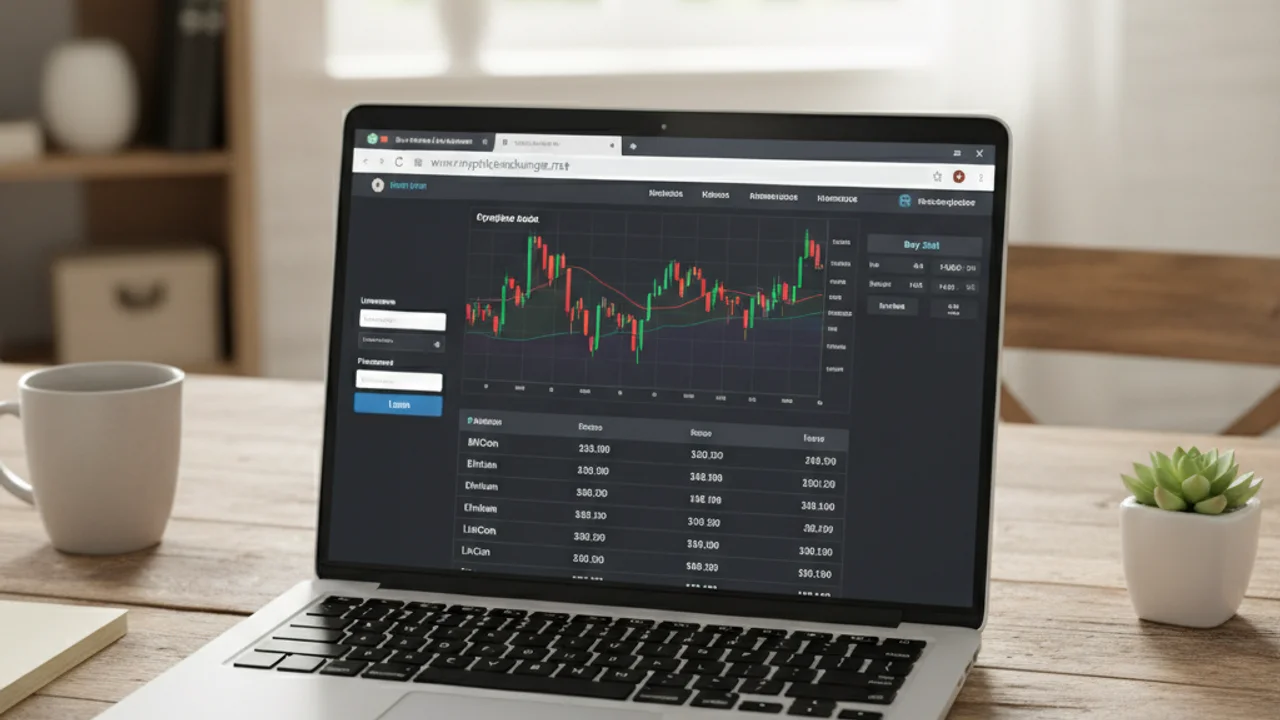
The website looks exactly like Coinbase. The layout is identical, the logo is correct, the color scheme matches perfectly, and even the footer links appear to work. You log in with your credentials, deposit some Bitcoin, and begin trading. Your portfolio shows steady gains over the following weeks. When you finally try to withdraw your profits, the platform asks for a "verification fee." Then a "tax withholding deposit." Then your account is frozen for "compliance review." None of your money is coming back, because the platform was never Coinbase at all. It was a meticulously crafted clone designed to steal everything you deposited.
Fake cryptocurrency exchanges are one of the most damaging scam categories in the digital asset space. Unlike giveaway scams that rely on a single impulsive transaction, fake exchanges can extract value from victims over weeks or months through a carefully orchestrated deception that mimics every aspect of a legitimate trading experience. This guide examines how these operations work, how they find their victims, and the specific verification steps that will keep your funds safe.
The Clone Platform Industry
Fake crypto exchanges are not amateur operations built from scratch by individual scammers. They are products of an underground industry that sells ready-made exchange clone kits. These kits include complete front-end replicas of popular exchanges, configurable back-end systems for managing user accounts and displayed balances, integrated payment processing for accepting crypto deposits, and admin panels for monitoring and manipulating victim accounts. A complete fake exchange platform can be purchased and deployed for a few thousand dollars, making the barrier to entry remarkably low relative to the potential returns.
The most sophisticated kits include real-time market data integration via public APIs, meaning the fake exchange displays actual Bitcoin, Ethereum, and altcoin prices pulled from legitimate market feeds. This makes the trading experience indistinguishable from a real exchange at the interface level. Victims can execute what appear to be real trades, see their portfolios gain and lose value in sync with actual markets, and feel entirely confident that they are using a functional platform.
How Fake Exchanges Are Built
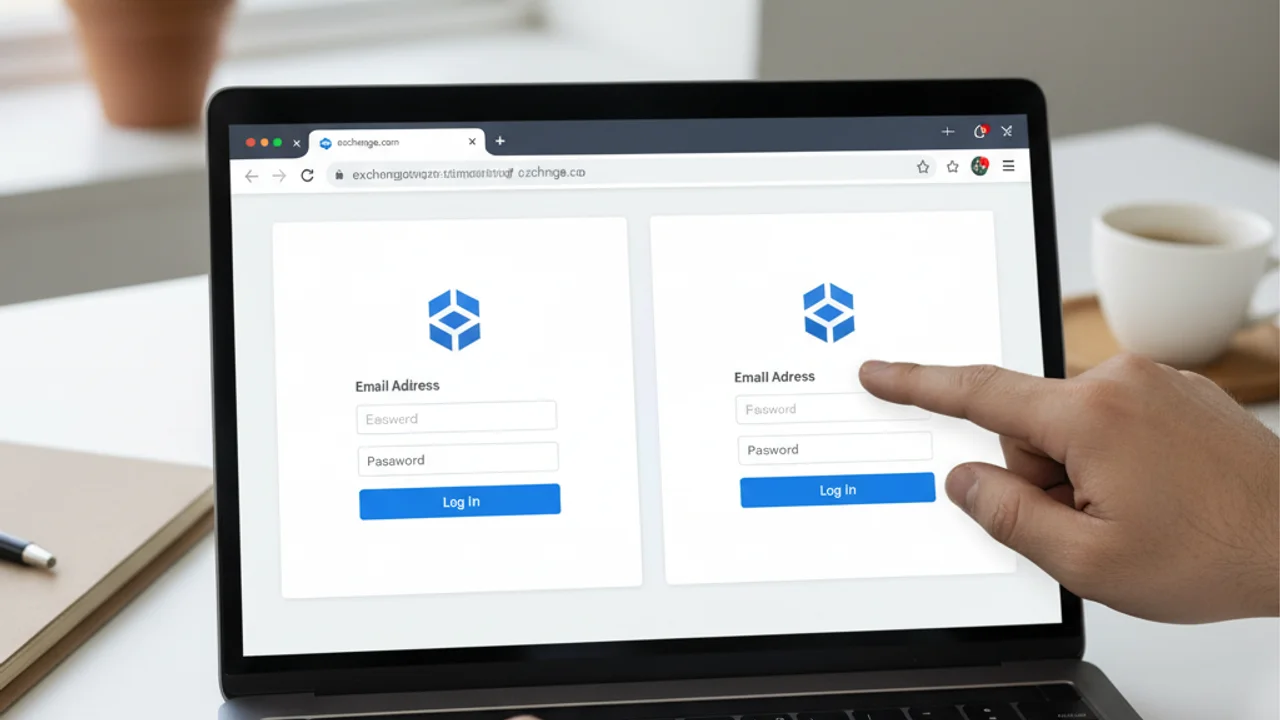
The front-end of a fake exchange is typically created by directly copying the HTML, CSS, and assets of a legitimate exchange's website. Automated tools can scrape an entire website and recreate it with minimal modifications. The clone is then hosted on a lookalike domain, often using techniques like typosquatting (coinbaze.com instead of coinbase.com), homoglyph attacks (using visually similar Unicode characters), or misleading subdomains (coinbase.secure-trading.com).
The back-end handles the actual fraud. When a user "deposits" cryptocurrency, the funds are directed to wallets controlled by the operators. The platform's database records a fictional balance that is displayed to the user. Trading actions update only this fictional balance, with no actual market transactions occurring. The displayed profit or loss is calculated against real market data to maintain the illusion, but the user's actual cryptocurrency was extracted at the moment of deposit.
Distribution and Targeting Methods
Fake exchanges reach victims through multiple channels. Search engine advertising is a primary vector: scammers purchase ads for terms like "buy Bitcoin" or "best crypto exchange" that appear above organic search results, directing users to the clone site. Social media ads on Facebook, Instagram, and Twitter/X promote the fake platform with professional marketing materials. Affiliate programs pay existing victims or recruited promoters to refer new users, creating a self-sustaining distribution network.
One of the most effective distribution methods involves direct outreach through dating apps, social media messaging, and professional networking platforms. A scammer builds a relationship with the victim over days or weeks, eventually introducing cryptocurrency trading as a shared interest and recommending the fake exchange as their preferred platform. This social engineering approach, often called "pig butchering," is devastatingly effective because the recommendation comes from someone the victim has come to trust through personal interaction.
Received a suspicious link to a crypto exchange? Scan any promotional videos for deepfake manipulation.
The Pig Butchering Connection
Many fake crypto exchanges are integral to pig butchering scams, a category of long-con fraud named for the practice of "fattening" a victim with fake profits before "slaughtering" them with the final extraction. In this model, the fake exchange is not just a phishing tool but a carefully maintained illusion designed to keep victims depositing larger and larger amounts over an extended period.
The victim is allowed to make small initial withdrawals to build confidence. They see their portfolio grow through apparently successful trades. Encouraged by these "returns," they deposit increasingly larger amounts. Some victims take out loans, liquidate retirement accounts, or borrow from family to capitalize on what they believe is a winning strategy. Only when they attempt a large withdrawal does the trap close, with the platform demanding fees, taxes, or insurance deposits that must be paid before funds can be released, each demand extracting more money while returning nothing.
The deepfake component of these operations has grown increasingly important. Video calls with supposed "account managers" or "customer support representatives" may use real-time face-swapping to present a professional, trustworthy persona. Promotional materials featuring deepfake celebrity endorsements are used to advertise the fake platform on social media. The convergence of clone platforms, social engineering, and deepfake technology creates a multi-layered deception that is extraordinarily difficult for victims to see through without external verification.
Related reading: Social Engineering Attacks: How scammers build trust before extracting money
Deepfake Customer Support and Video KYC
Some advanced fake exchanges have introduced deepfake-powered customer support. When victims request a video call with their account manager to verify the platform's legitimacy, they are connected to a scammer using real-time face-swapping technology. The synthetic face matches the professional headshot on the platform's "team" page, reinforcing the illusion of a legitimate operation with real employees.
In a particularly insidious twist, some fake platforms request video KYC (Know Your Customer) verification from users, ostensibly for regulatory compliance. The victim records themselves holding their ID document next to their face. This footage is then potentially repurposed by the scammers for identity theft or to bypass KYC requirements on legitimate platforms. The victim not only loses their deposited funds but also compromises their personal identity documentation. These deepfake tactics mirror patterns seen in business deepfake video call fraud .
A crypto exchange shows your portfolio growing with real market data and even allowed a small withdrawal. What does this prove?
- The exchange is legitimate because it uses real market data
- The withdrawal proves the platform functions properly
- Nothing, fake exchanges use real market data and allow small withdrawals to build trust before the larger extraction
- The platform must be regulated if it processes withdrawals
Answer: Fake exchanges pull real market data from public APIs to maintain the illusion. Small withdrawals are a calculated tactic to build confidence and encourage larger deposits. Neither proves the platform is legitimate. Always verify through external sources like CoinGecko, CoinMarketCap, and regulatory databases.
The Verification Checklist
Before using any crypto exchange, perform these verification steps without exception. First, confirm the exact URL by typing it manually or using an official bookmark. Never access an exchange through a link in an email, message, or social media ad. Second, verify the SSL certificate by clicking the lock icon in your browser's address bar. It should be issued to the correct company name. Third, check that the exchange is listed on established aggregators like CoinGecko or CoinMarketCap. Fourth, search for independent reviews and regulatory registrations. Legitimate exchanges hold licenses from financial regulators in their operating jurisdictions.
If you encounter promotional video content advertising an exchange, scan it with Truvizy's free video analysis tool to check for deepfake manipulation. A synthetic endorsement video is a near-certain indicator that the promoted platform is fraudulent. The analysis takes seconds and can save you from devastating financial loss.

Related reading: Identity Theft Prevention Guide: Protect your identity from fake KYC and phishing operations
What to Do If You Have Been Scammed
If you have deposited funds to a fake exchange, act immediately. Document everything: take screenshots of the platform, your account, any communications with "support," and all transaction records. Report the scam to the FBI's IC3, the FTC, and your local law enforcement. Contact any legitimate exchange where you purchased the cryptocurrency before sending it to the fake platform, as they may be able to provide transaction records useful for investigation.
If you provided identity documents through a fake KYC process, place fraud alerts on your credit reports, monitor your accounts for unauthorized activity, and consider an identity theft protection service. The exposure of your ID documents adds a long-term risk that extends well beyond the immediate financial loss.
Protect your crypto assets with advanced deepfake detection and exchange verification tools.
For ongoing protection against these evolving threats, Truvizy's premium plans provide advanced capabilities for verifying the authenticity of any promotional content, whether it is a celebrity endorsement, an exchange advertisement, or a customer support video call recording. In the crypto space, verification is not optional. It is the difference between growing your portfolio and losing it entirely.
Key Takeaways
- Fake exchange clone kits are sold as turnkey products, making it cheap and easy to deploy convincing scam platforms.
- Real market data and small allowed withdrawals are deliberate tactics to build trust before the larger extraction.
- Never access an exchange through links in messages or ads, always type the URL manually or use bookmarks.
- If you submitted video KYC to a fake platform, take immediate identity theft protection steps.
Related reading: How to Report an Online Scam: Step-by-step guide to reporting fraud to platforms and authorities
Frequently Asked Questions
How can I tell if a crypto exchange is fake?
Check the URL character by character against the official domain. Look for subtle misspellings, extra characters, or different top-level domains. Verify the exchange is listed on established crypto aggregators. Check for valid SSL certificates issued to the correct company name. Be suspicious of exchanges found only through social media ads or messaging groups.
What happens when I deposit crypto to a fake exchange?
Your funds are sent to a wallet controlled by the scammers. The fake platform may display a balance on screen to maintain the illusion, but the cryptocurrency itself has already been transferred to the scammers' wallets and is typically moved through mixing services within minutes.
Can fake exchanges show real market data?
Yes. Fake exchanges commonly pull real market data from public APIs, displaying accurate price charts and order books. The trading data appears legitimate because it is real data from actual markets. Only the deposit and withdrawal functions are fraudulent.
Why do fake exchanges let me make profitable trades?
This is a deliberate tactic called "pig butchering." The fake platform shows you paper profits to encourage larger deposits. The displayed balance is fictional. When you attempt to withdraw your supposed profits, you will be asked to pay fees, taxes, or verification costs, none of which result in actual payouts.
Are mobile app versions of fake exchanges also used?
Yes. Scammers distribute fake exchange apps through direct download links, sideloading instructions, and occasionally through official app stores before being detected and removed. Always download exchange apps from official website links rather than from third-party sources.