Celebrity Deepfake Scams: How Criminals Use Famous Faces to Steal Money
Discover how scammers create deepfake videos of celebrities to promote fake investments, crypto schemes, and giveaway frauds. Learn to recognize and avoid these scams.
· By Truvizy Research Team · 8 min read
TL;DR
Criminals are mass-producing deepfake videos of celebrities like Elon Musk, Taylor Swift, and MrBeast to promote fake investment platforms and crypto giveaways. These scams run as paid ads on social media and have stolen hundreds of millions of dollars. Always verify endorsements through official channels and scan suspicious videos before trusting them.
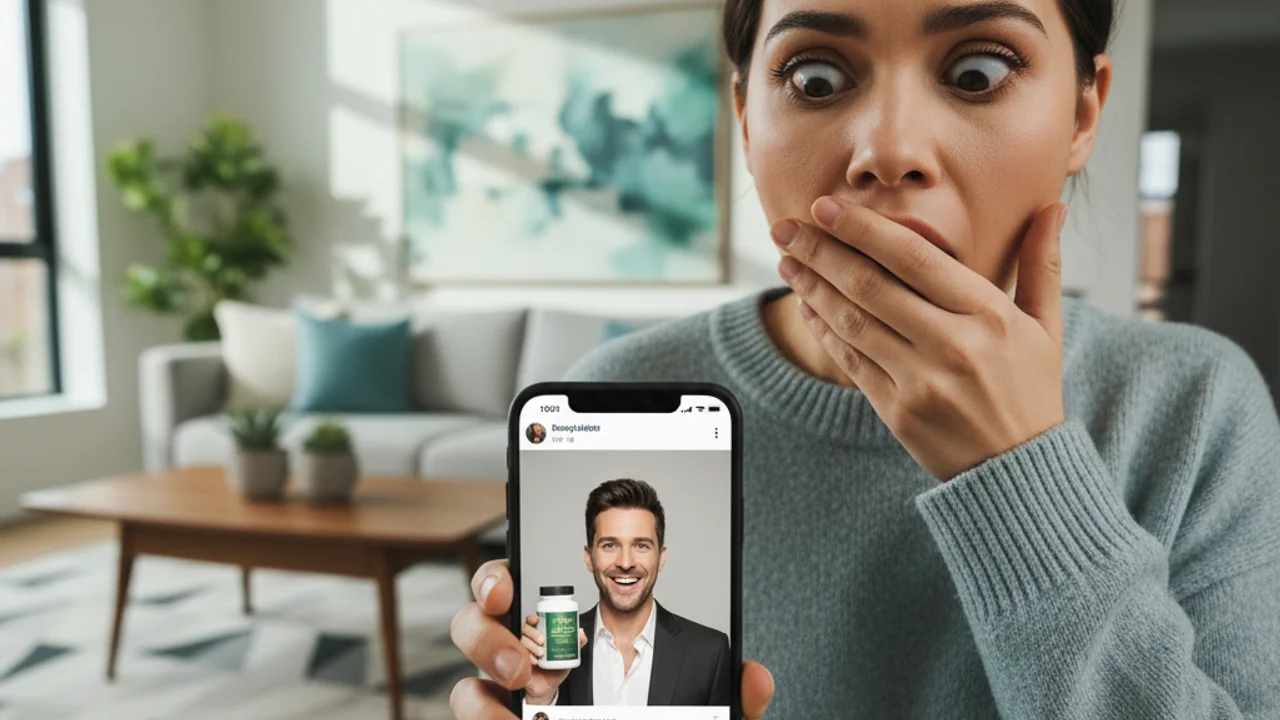
Imagine scrolling through your Facebook feed and seeing a video of Elon Musk announcing an exclusive new investment platform. He is looking directly at the camera, speaking fluently about how this opportunity will change your financial future, and urging you to act now before the limited spots fill up. The video looks completely real. It is not. It is a deepfake, and clicking the link beneath it will lead you straight to a scam that could drain your bank account.
Celebrity deepfake scams have become one of the most profitable forms of online fraud in 2026. By hijacking the trust and recognition that public figures command, criminals can bypass the skepticism that would normally protect potential victims. This article breaks down exactly how these scams work, who they target, and what you can do to avoid becoming the next victim.
Anatomy of a Celebrity Deepfake Scam
The operation begins with content creation. Scammers harvest hours of publicly available video footage of a target celebrity from interviews, podcasts, product launches, and social media. This footage is fed into face-swapping and voice-cloning tools that can generate a convincing synthetic video in a matter of hours. The script is carefully written to sound like the celebrity's natural speaking style, often mimicking their known catchphrases and mannerisms.
The finished deepfake is then embedded into a professional-looking advertisement. The production quality is deliberately high: clean graphics, a polished call-to-action, and a landing page that mimics the branding of legitimate financial platforms. Some operations even create multiple versions of the same scam, A/B testing different celebrity faces to see which converts best. This is not amateur fraud. It is an industrialized pipeline.
The Most Impersonated Celebrities in 2026
Certain public figures are disproportionately targeted because their personas carry specific trust signals. Elon Musk remains the single most impersonated individual in deepfake scam content, largely because of his association with technology and cryptocurrency. His appearance in deepfake crypto scams has become so common that it has spawned its own category of fraud.
MrBeast is another prime target, particularly for scams aimed at younger audiences on YouTube and TikTok. His brand of extreme generosity, giving away cars, houses, and cash, makes the premise of a giveaway scam inherently believable to his fan base. Scammers exploit this by creating deepfakes where the creator appears to announce exclusive giveaways that require an upfront "processing fee" or personal information to claim.
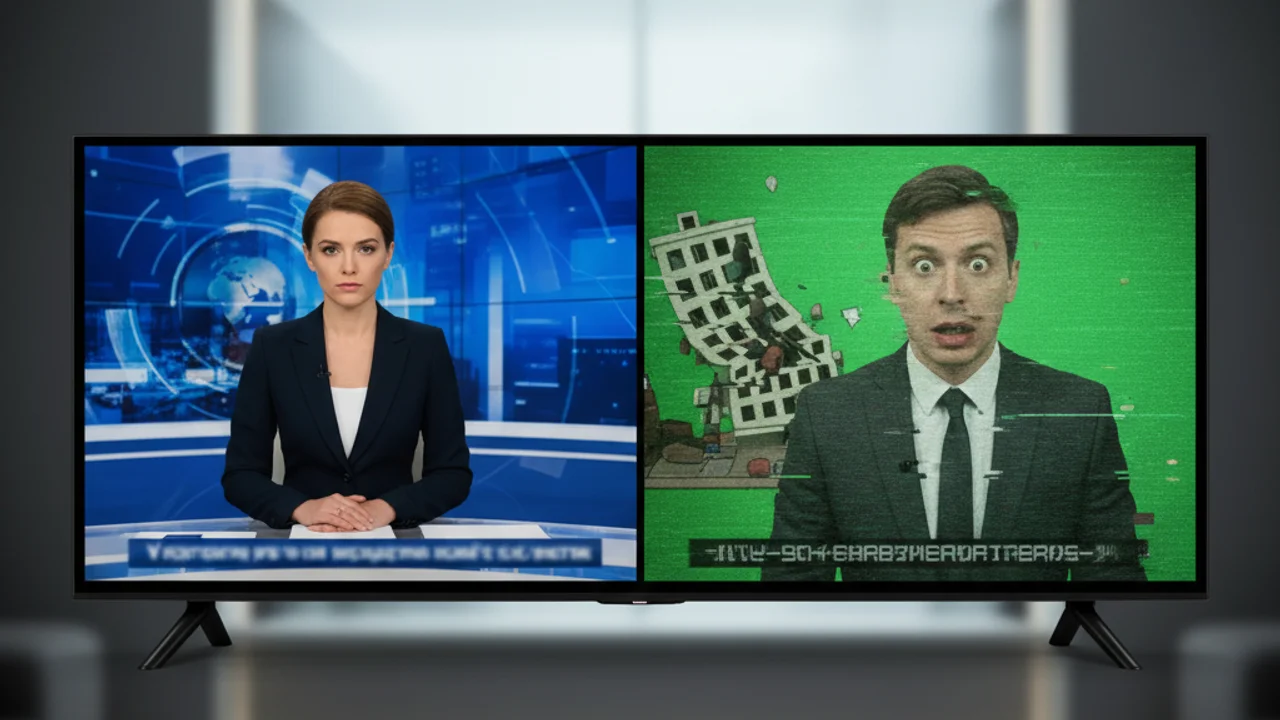
Other frequently impersonated figures include Jeff Bezos for investment schemes, Taylor Swift for product endorsements and ticket scams, Warren Buffett for stock and crypto promotions, and various national news anchors for disinformation campaigns disguised as breaking news . The common thread is recognizability and trust. If a face is famous enough to lower your guard, it is valuable to scammers.
The Social Media Ad Pipeline
What makes celebrity deepfake scams particularly dangerous is their distribution channel: paid advertising on major social media platforms. Scammers use stolen or fraudulently created business accounts to purchase ad placements on Facebook, Instagram, YouTube, and TikTok. Because these appear as sponsored content within users' normal feeds, they carry an implicit endorsement from the platform itself. Many victims later report that they trusted the content specifically because it was a "real ad" on Facebook or YouTube.
The ad campaigns are designed for rapid deployment and quick extraction. A typical operation runs a deepfake ad campaign for 24 to 72 hours, harvests as many victims as possible, then abandons the accounts and associated infrastructure before platform moderators catch up. New accounts are created, new domains registered, and the cycle repeats. This burn-and-churn approach makes enforcement extraordinarily difficult.
Some operations have grown sophisticated enough to target victims by demographics. A deepfake of Warren Buffett might be served to users over 50 who have expressed interest in investing, while a deepfake of a popular gaming streamer targets 18-to-24-year-olds interested in cryptocurrency. This targeted delivery dramatically increases conversion rates compared to blanket spam.
Spotted a suspicious celebrity video? Scan it now for free
Real-World Damage: By the Numbers
The financial impact of celebrity deepfake scams is staggering. Global losses attributed to AI-generated impersonation fraud reached into the hundreds of millions in 2025, and the trend has only accelerated. Individual victims have reported losses ranging from a few hundred dollars on fake giveaway "fees" to six-figure sums deposited into fraudulent trading platforms. In many cases, especially those involving cryptocurrency, the money is essentially unrecoverable once transferred.
Beyond financial damage, these scams erode public trust in legitimate digital media. When any video of a public figure might be fake, every video becomes suspect. This "liar's dividend" benefits not only scammers but also genuine bad actors who can dismiss authentic footage of their misconduct as deepfakes. The implications extend far beyond individual fraud into the realm of political manipulation and election interference .
A video of a famous tech CEO appears as a paid ad on Facebook promoting a new crypto platform. What should you do first?
- Click the link to learn more about the opportunity
- Check the celebrity\
- ,
- ,
Answer: Legitimate celebrities almost never promote investment opportunities through social media ads. Always verify through their official website or verified social profiles before taking any action.
How to Spot a Celebrity Deepfake Scam
The first and most important rule is that legitimate celebrities almost never promote specific investment opportunities, crypto platforms, or giveaways through social media advertisements. If you see a video of a famous person urging you to invest money or claim a prize, treat it as fraudulent until proven otherwise.
Beyond that baseline skepticism, apply the visual detection techniques covered in our guide to spotting deepfake videos . Watch the speaker's eyes for unnatural blinking patterns. Check whether lip movements align precisely with the audio. Look for blurring or warping around the jawline and hairline. Pay attention to whether the lighting on the face matches the rest of the scene.
Verify the source. Does the ad link to the celebrity's official website or verified social media profile? Or does it redirect to an unfamiliar domain? Search for the supposed opportunity on the celebrity's actual verified channels. If there is no mention of it, the ad is a scam. Period.
Protecting Yourself and Your Family
Develop a personal verification habit. Before acting on any video that asks you to spend money, send cryptocurrency, or enter personal information, run it through a detection tool. Truvizy's free video scanner can analyze suspicious videos in seconds, checking for the AI manipulation signals that are invisible to the naked eye.
Talk to your family, especially older relatives and younger teens who may be more susceptible to these scams. Explain that video can now be fabricated, that famous people do not personally invite strangers to invest, and that any "limited time" pressure is a manipulation tactic. Consider setting up shared family practices where any investment opportunity discovered online is discussed together before any action is taken.
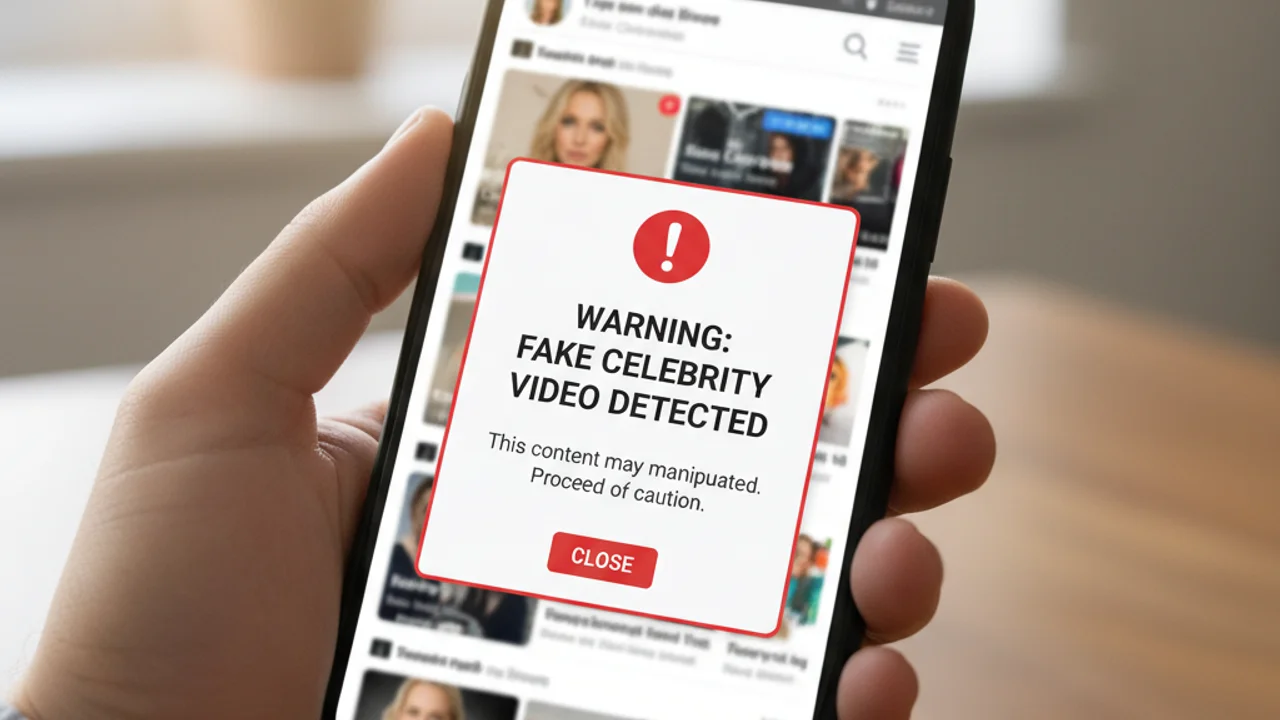
For those who need higher volume protection, Truvizy's premium plans offer advanced forensic scanning with detailed confidence breakdowns and support for analyzing content at scale. Whether you are protecting a newsroom, a corporate communications team, or just your own household, building a verification step into your media consumption habits is the most effective defense against the rising tide of celebrity deepfake fraud.
Protect your family from celebrity deepfake scams today
Key Takeaways
- Celebrity deepfakes are industrialized, scammers A/B test different famous faces for maximum conversion
- Paid social media ads are the primary distribution channel, giving fake endorsements an air of legitimacy
- Always verify celebrity endorsements through official channels before acting on them
- Use AI-powered detection tools to scan suspicious videos, the manipulation signals are invisible to the human eye
The criminals behind these operations count on one thing above all else: that you will trust a familiar face without questioning it. Prove them wrong.
Related reading: How to Spot a Deepfake Video: Learn the 7 visual and audio signs that reveal AI-generated video content
Related reading: How to Verify Video Authenticity: Step-by-step guide to confirming whether a video is real or manipulated
Related reading: Free Scam Detection Tools: The best free tools available for identifying deepfakes and online scams
Frequently Asked Questions
Which celebrities are most commonly deepfaked in scams?
Elon Musk, MrBeast, Taylor Swift, Jeff Bezos, and Warren Buffett are among the most frequently impersonated figures. Scammers choose people widely associated with wealth, technology, or trusted public personas.
How do celebrity deepfake scams make money?
They typically direct victims to fake investment platforms, crypto giveaway pages, or phishing sites. Victims deposit money expecting returns that never materialize, or surrender login credentials that are then used to drain real accounts.
Are social media platforms responsible for hosting deepfake ads?
Platforms like Facebook, YouTube, and TikTok have policies against deceptive content, but enforcement lags behind production. Scammers create and burn through accounts faster than moderation teams can remove them.
Can I get my money back if I fell for a celebrity deepfake scam?
Recovery depends on how you paid. Credit card payments may be reversible through chargebacks. Cryptocurrency payments are generally unrecoverable. Report the incident to your bank, local law enforcement, and the FTC (in the US) as soon as possible.
How do I report a celebrity deepfake scam?
Report the content directly on the platform where you saw it, file a complaint with the FTC at reportfraud.ftc.gov, and report to the IC3 (Internet Crime Complaint Center) if financial loss occurred.