Fake Giveaway Scams on Social Media: How They Work
Learn how fake giveaway scams operate on Instagram, TikTok, Twitter, and YouTube. This guide exposes the tactics, red flags, and steps to protect yourself from prize fraud.
· By Truvizy Research Team · 8 min read
TL;DR
Fake giveaway scams use the promise of free products, cash, or prizes to steal personal information, credit card details, and money from social media users. These scams span every major platform and are increasingly sophisticated, using impersonation of real brands, AI-generated content, and multi-step phishing funnels.
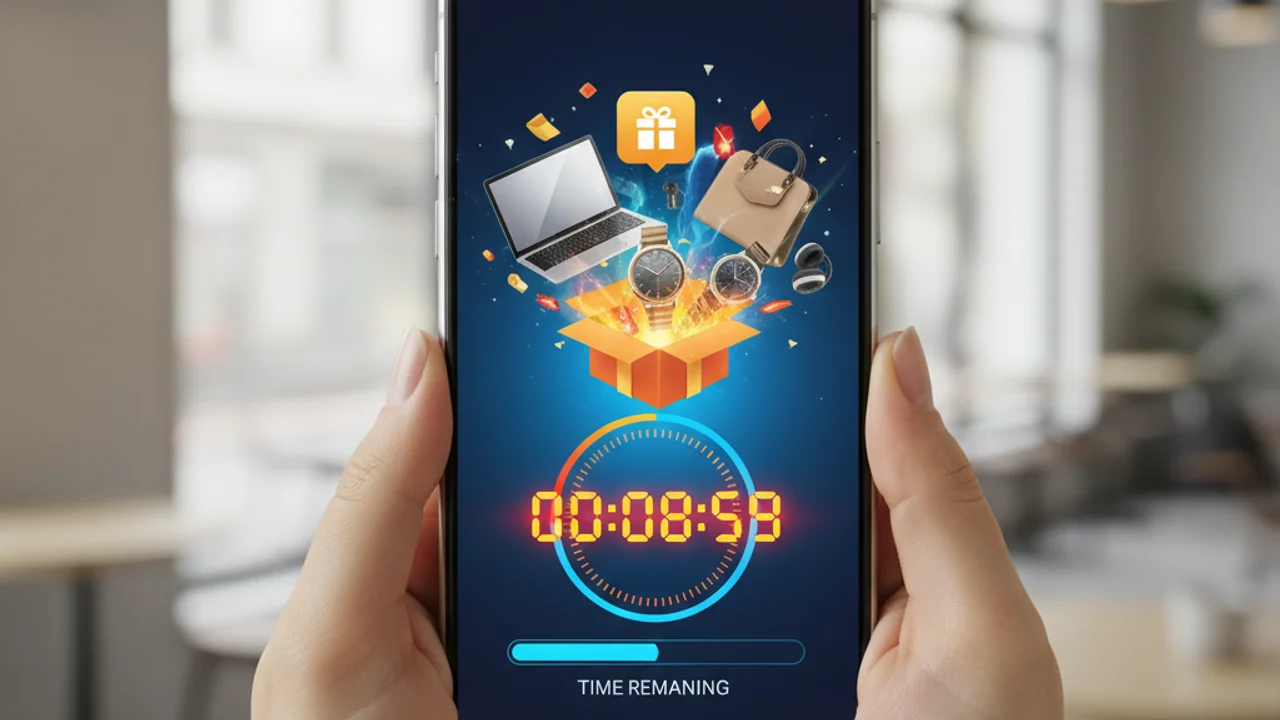
"Congratulations! You've been selected to win a brand new iPhone 17!" The message arrives in your DMs from what appears to be Apple's official Instagram account. All you need to do is click a link and enter your shipping information to claim your prize. It sounds exciting. It sounds too good to be true. And it is. Fake giveaway scams have become one of the most pervasive forms of social media fraud, operating across every major platform and costing victims billions of dollars in stolen information and direct financial losses.
According to the FTC, prize, sweepstakes, and giveaway scams were the second most commonly reported fraud type in 2025, with over 300,000 complaints and median losses of $850 per victim. These numbers almost certainly understate the true impact, as many victims of information theft do not realize the connection between a "free giveaway" they entered months earlier and the identity fraud that follows.
The Fake Giveaway Epidemic
Fake giveaways exploit one of the most fundamental human motivations: getting something for nothing. The psychology is powerful. When someone believes they have won a prize, their judgment shifts. They become willing to take actions they would normally avoid, clicking unfamiliar links, providing personal information, even paying small fees, because the perceived reward overwhelms their usual caution.
Scammers understand this psychology perfectly and have industrialized fake giveaway operations. Modern giveaway scams are not one-off efforts but sustained campaigns operated by organized groups that run dozens of fake giveaways simultaneously across multiple platforms. They use automation tools to create and manage fake accounts at scale, generate engaging content with AI, and harvest victim data into databases that are sold or used for further fraud.
How Fake Giveaway Scams Work
The typical fake giveaway follows a multi-step process designed to maximize the number of victims and the amount of data collected. It begins with an attention-grabbing post or message announcing a prize giveaway. The post mimics the branding and language of a legitimate company or celebrity. The "entry requirements" serve dual purposes: spreading the scam virally (by requiring likes, shares, and tags) and directing victims to the actual fraud mechanism.
The fraud mechanism is usually an external link that leads to a convincing but fake website. This site asks the victim to "verify their identity" or "provide shipping details" to claim the prize. The form requests increasingly sensitive information: name, address, email, phone number, and eventually credit card details for a supposed "shipping and handling fee." The fee is typically small, $4.99 to $9.99, designed to seem reasonable relative to the value of the "prize." But the real goal is capturing the credit card number for future fraudulent charges or sale on the dark web.
Platform-Specific Giveaway Scam Tactics
Each platform has unique features that scammers exploit differently. On Instagram, fake giveaways typically come through DMs from accounts impersonating brands or celebrities. The visual nature of Instagram makes fake branded content particularly convincing. On TikTok, scam giveaways leverage viral video formats and are often promoted through comment sections on popular videos. Our detailed guide to TikTok scams in 2026 covers these tactics in depth.

On Twitter/X, cryptocurrency giveaway scams dominate. These typically involve accounts impersonating figures like Elon Musk or tech CEOs, promising to "double your Bitcoin" if you send a small amount first. On YouTube, fake giveaways appear in video descriptions, comment sections, and even as pre-roll advertisements. Facebook giveaway scams often take the form of fake brand pages or viral posts that require extensive sharing before revealing the phishing link.
Received a giveaway DM or seen a suspicious prize post? Scan it with Truvizy to check if it is a scam.
Brand Impersonation Giveaways
Some of the most effective fake giveaways involve detailed impersonation of major brands. Scammers recreate brand logos, color schemes, and marketing language with remarkable accuracy. They register domain names that closely resemble official brand websites and build landing pages that are visually indistinguishable from the real thing. A victim clicking through from a social media post to one of these sites has little visual indication that they have left the legitimate brand ecosystem.
Popular brands targeted by giveaway impersonators include Apple, Samsung, Nike, Amazon, Costco, and Target. The scammers know that these brands are trusted by millions and that a "free product" from a brand people already buy from feels plausible. Learning to identify fake brand accounts is critical, and the techniques overlap significantly with identifying scam accounts on Instagram .
Celebrity Giveaway Scams
Celebrity impersonation giveaways have surged with the rise of AI-generated content. Scammers create fake accounts of popular influencers, musicians, or tech figures and announce fake giveaways to their followers. Some use AI-generated video and audio to create convincing "announcement" clips of the celebrity describing the giveaway. These deepfake promotions are shared across platforms and can reach millions of viewers before being identified and removed.
The "MrBeast giveaway" scam has become so prevalent it deserves special mention. Scammers impersonate the popular YouTuber, known for his genuine large-scale giveaways, across every social platform, promising cash, gadgets, or gift cards. The scammers exploit MrBeast's genuine generosity to make their fake giveaways seem plausible. Using AI-powered content analysis tools can help detect deepfake celebrity content and identify manipulated videos that are used in these scams.
Cryptocurrency Giveaway Scams
Crypto giveaway scams deserve their own category due to their scale and the irreversibility of cryptocurrency transactions. The standard format promises to "double" or "multiply" any cryptocurrency sent to a specified wallet address. The scam often features a countdown timer creating urgency and fake transaction histories showing others receiving their "doubled" crypto. In reality, any cryptocurrency sent is immediately stolen with zero possibility of recovery.
These scams have been broadcast through hijacked YouTube channels during fake livestreams, promoted through bot armies on Twitter/X, and distributed through Telegram groups. The overlap with crypto influencer fraud is substantial, as both exploit the trust and excitement that surrounds cryptocurrency markets.
Red Flags of Fake Giveaways
Recognizing fake giveaways becomes straightforward once you know the warning signs. Immediate red flags include any requirement to pay money, whether called a shipping fee, processing fee, tax payment, or anything else. Legitimate giveaways never require payment of any kind. Other warning signs include requests for credit card or banking information, links to external websites that are not the brand's official domain, messages from unverified accounts, extreme urgency ("claim within 24 hours"), requirements to share with multiple friends before "unlocking" the prize, and requests for personal information beyond what is needed for prize delivery.
Pay attention to the language used. Fake giveaways often contain grammatical errors, use excessive exclamation marks and emoji, and employ generic language rather than the specific brand voice you would expect from a legitimate company. The URL in any links should match the official brand domain exactly, not a variation with extra words, misspellings, or different top-level domains.
Which of the following is a sign that a social media giveaway is LEGITIMATE?
- It requires you to pay a small shipping fee
- It comes from a verified brand account and has published official rules
- It was sent to you via DM with a link to claim your prize
- It asks you to share with 10 friends to unlock the prize
Answer: Legitimate giveaways come from verified brand accounts, are announced across official channels, and have published official rules that comply with sweepstakes laws. They never require payment, do not arrive via unsolicited DMs, and do not use viral sharing as an unlock mechanism.
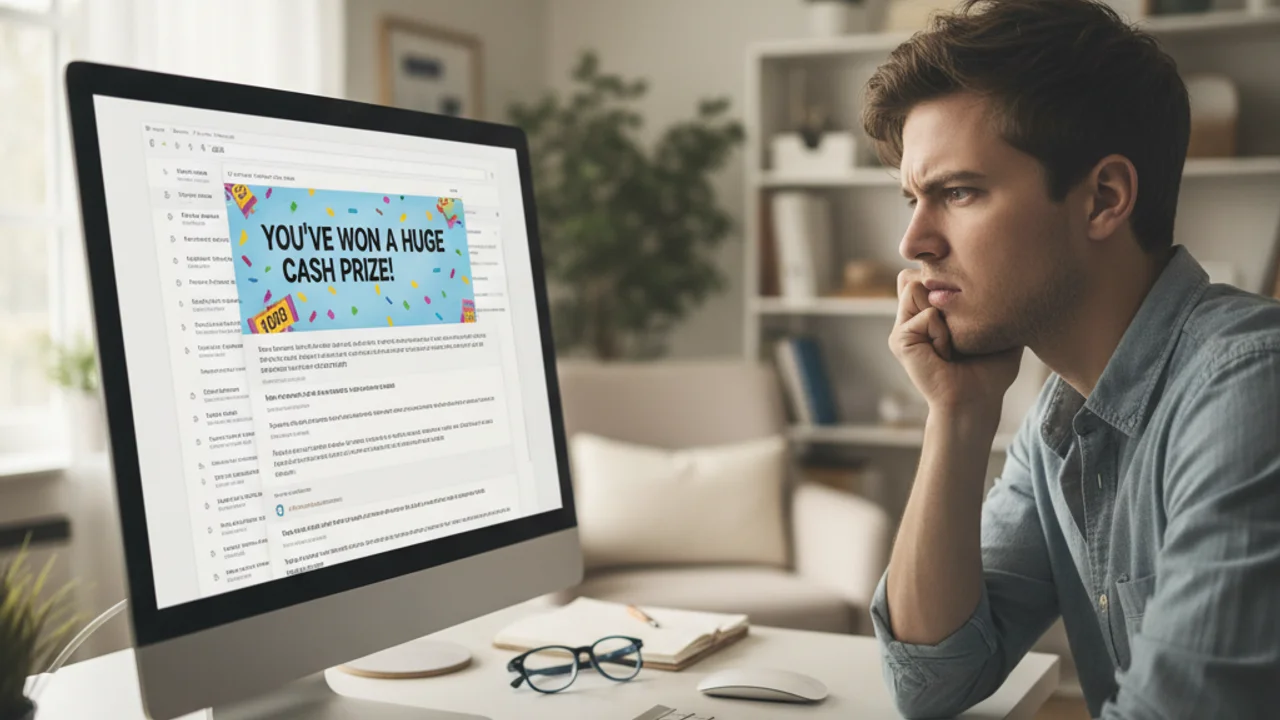
How to Distinguish Real Giveaways From Fakes
Legitimate giveaways do exist, and learning to identify them helps you avoid both missing real opportunities and falling for fakes. Real giveaways come from verified brand accounts and are typically announced across multiple official channels simultaneously (website, email newsletter, and social media). They have published official rules that comply with local sweepstakes laws. They never require payment or sensitive personal information to enter. Winners are selected randomly and contacted through official channels, not through DMs from unverified accounts.
If you encounter a giveaway that interests you, go directly to the brand's official website and social media profiles to verify it is real. Do not click links in DMs or comments, navigate to the source independently. If the giveaway does not appear on the brand's official channels, it is not real, regardless of how convincing the fake post looks.
Protect yourself from fake giveaways and social media scams with AI-powered content analysis.
Protecting Yourself From Giveaway Scams
Adopt a default stance of skepticism toward any unsolicited giveaway or prize notification. The vast majority are scams, and the small number of legitimate giveaways will never penalize you for taking time to verify their authenticity. Never click links in giveaway DMs. Never provide financial information to claim a "free" prize. Never share your social security number, date of birth, or other identity documents for a giveaway.
Report fake giveaways whenever you encounter them. Use each platform's built-in reporting tools to flag the content, and consider reporting to the FTC if the scam involves financial fraud or identity theft. By reporting, you help platforms identify and remove scam content faster, protecting other users from falling victim.
For ongoing protection against the full spectrum of social media scams, consider advanced AI-powered detection tools that can analyze suspicious content, links, and profiles in real time. As fake giveaway scams become more sophisticated, incorporating AI-generated content, deepfake endorsements, and highly convincing brand impersonation, automated analysis provides a critical additional layer of defense that complements your own vigilance and skepticism.
Key Takeaways
- Legitimate giveaways never require payment of any kind, any "shipping fee" or "processing charge" means it is a scam.
- Always verify giveaways by navigating directly to the brand\
- ,
- ,
Related reading: Social Media Impersonation: How scammers create fake brand and celebrity accounts to run convincing giveaway scams.
Related reading: TikTok Scams in 2026: Platform-specific scam tactics including viral fake giveaways on TikTok.
Related reading: Phishing Email Detection: Recognize the phishing techniques that power fake giveaway landing pages.
Frequently Asked Questions
How can I tell if a social media giveaway is fake?
Fake giveaways typically require you to click external links, provide personal information, pay a shipping fee, or share the giveaway with many friends to "unlock" your prize. Legitimate giveaways come from verified brand accounts, have clear official rules, never require payment, and do not ask for sensitive personal information.
Why do scammers run fake giveaways?
Scammers run fake giveaways to harvest personal information for identity theft, collect credit card numbers through "shipping fee" charges, build email lists for future phishing campaigns, gain followers and engagement to build fake credibility, and install malware on victims' devices through malicious links.
What should I do if I already entered a fake giveaway?
If you shared personal information, monitor your credit reports and consider placing a fraud alert. If you provided credit card details, contact your bank immediately to freeze the card and dispute any charges. If you clicked a suspicious link, run a malware scan on your device. Change passwords for any accounts that share the same credentials you may have entered.
Are celebrity giveaways on Instagram real?
Most celebrity giveaways on Instagram are scams run by impersonation accounts. Real celebrity giveaways are rare, come only from verified accounts, are typically partnered with established brands, and never require you to click a link in a DM or pay any fees. Always verify by checking the official celebrity website or other social media profiles.
Can fake giveaways install malware on my phone?
Yes. Some fake giveaway links lead to websites that attempt to install malware or redirect you to download malicious apps. While modern mobile operating systems have protections against unauthorized installations, sophisticated phishing sites can trick users into granting permissions that compromise device security.