Crypto Influencer Scams: When Your Favorite YouTuber Promotes Fraud
Discover how crypto influencer scams work on YouTube, TikTok, and Twitter. Learn the red flags of paid token promotions, pump-and-dump schemes, and how to protect your investments.
· By Truvizy Research Team · 8 min read
TL;DR
Crypto influencers are increasingly promoting fraudulent tokens, fake exchanges, and pump-and-dump schemes to their audiences for undisclosed payments. These promotions have caused over $2 billion in losses since 2023, and identifying paid shills versus genuine recommendations is critical for protecting your finances.
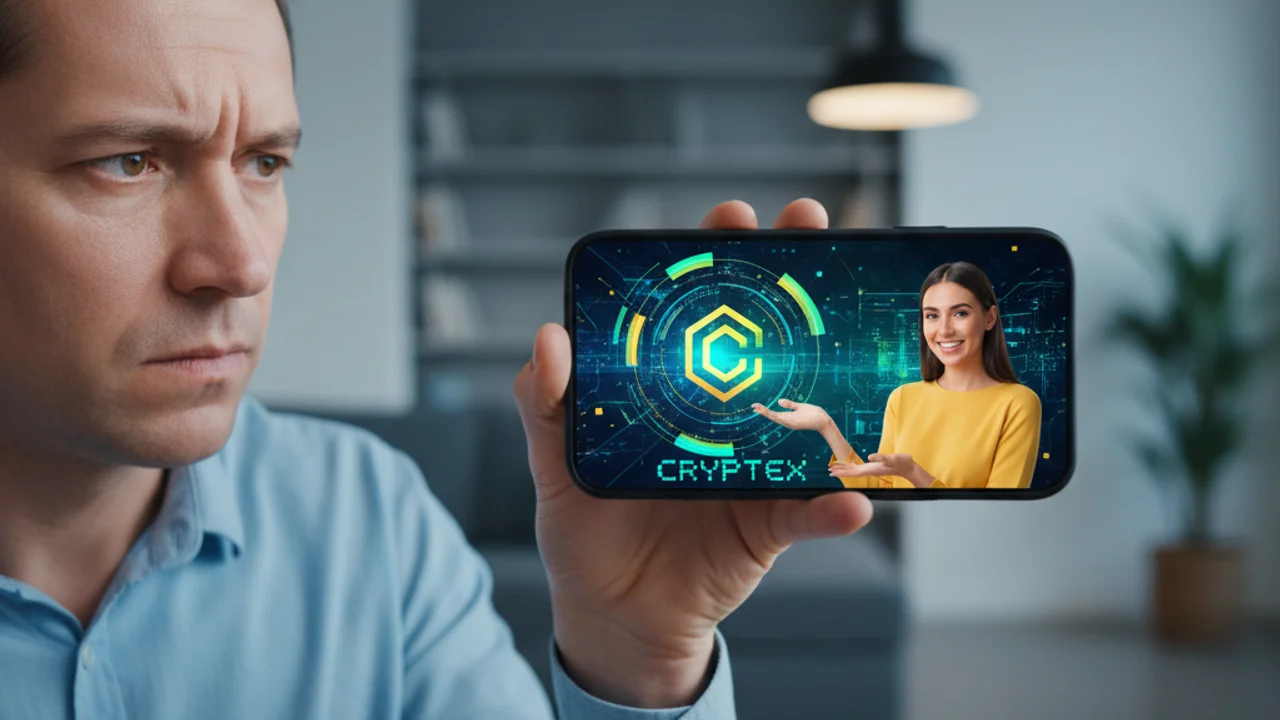
You trust them. You watch their videos every week. They seem knowledgeable, authentic, and genuinely interested in helping you build wealth. So when they recommend a new cryptocurrency token with "life-changing potential," you listen. You invest. And within weeks, the token crashes 95 percent while the influencer quietly cashes out their undisclosed holdings, pocketing hundreds of thousands of dollars at your expense.
Crypto influencer scams have exploded into one of the most damaging categories of online fraud, costing retail investors billions of dollars. From YouTube to TikTok to Twitter/X, content creators with massive followings are promoting fraudulent tokens, fake exchanges, and pump-and-dump schemes, often with zero disclosure that they are being paid to do so.
The Rise of Crypto Influencer Culture
The cryptocurrency space has always been driven by community enthusiasm and grassroots promotion. In the early days of Bitcoin, forums and blogs were the primary channels. But as crypto went mainstream, a new breed of financial influencer emerged: creators who built audiences of millions by covering market trends, token reviews, and trading strategies.
By 2026, the largest crypto YouTube channels command audiences of 3 to 5 million subscribers. TikTok crypto creators rack up tens of millions of views on individual videos. These influencers hold enormous power over retail investor behavior. A single positive mention can pump a token's price by 200 percent within hours. This power has attracted scammers who are willing to pay handsomely for access to those audiences.
The problem is structural. Unlike traditional financial media, crypto influencers operate in a regulatory gray zone. There are no licensing requirements, no mandatory disclosures beyond general FTC guidelines, and minimal accountability when recommendations go wrong. This creates an environment ripe for exploitation, similar to the scam dynamics we explore in our analysis of how fraudsters game YouTube's algorithm .
How Crypto Influencer Scams Work
The mechanics of crypto influencer fraud are surprisingly straightforward. A token project, often with little to no real development or utility, approaches influencers with a sponsorship offer. Payment typically ranges from $10,000 to $500,000 depending on the influencer's audience size, and is usually made in a combination of cash and pre-allocated tokens.
The influencer then creates content promoting the token, presenting it as a legitimate investment opportunity with massive upside potential. The video or post is designed to create urgency: the token is "about to launch," there is a "limited window," and the influencer themselves is "going all in." None of this is true. The influencer has already been paid and plans to sell their token allocation as soon as the price rises from their audience's buying pressure.
What makes this particularly insidious is the trust factor. Audiences have spent months or years watching these creators. They feel a parasocial connection. When the influencer says "I genuinely believe in this project," it carries weight far beyond any advertisement. Victims do not feel like they are responding to an ad, they feel like they are following advice from a trusted friend.
Seen a suspicious crypto promotion video? Verify it for deepfake manipulation instantly.
The Pump-and-Dump Playbook
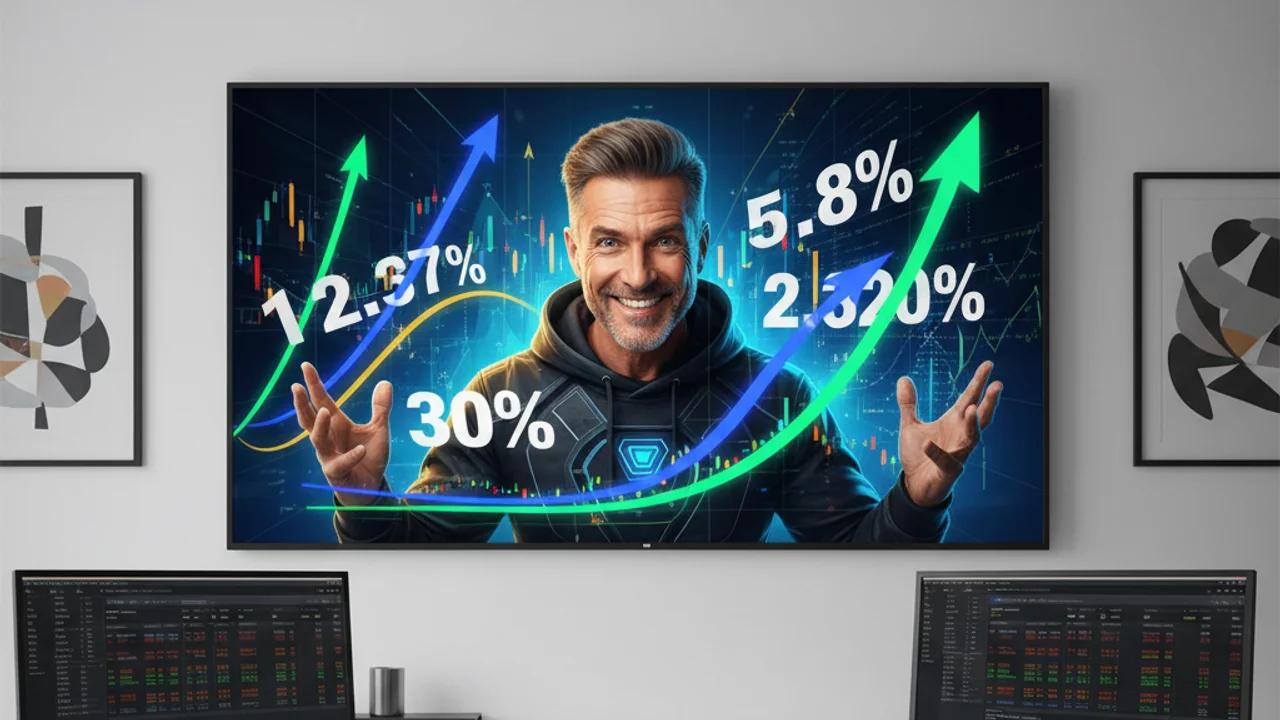
The classic pump-and-dump follows a predictable pattern. First, insiders accumulate large positions in a low-liquidity token at minimal cost. Then, a coordinated promotional campaign launches across multiple influencer channels simultaneously. The buying pressure from thousands of retail investors drives the price up dramatically, sometimes 500 to 1,000 percent in a matter of hours.
As the price peaks, insiders and paid influencers begin selling their holdings. The selling pressure crashes the price, often back to near-zero levels. Retail investors are left holding tokens worth a fraction of what they paid. The entire cycle from launch to crash can happen within 24 to 48 hours.
Some schemes add an extra layer of sophistication. They create fake trading volume using wash trading bots, fabricate partnerships with legitimate companies, and even create fake audit reports to give the token an appearance of legitimacy. These operations are funded by the same promotional budget that pays for influencer coverage. The deeper the scam appears legitimate, the more money flows in before the inevitable dump.
Related reading: Fake Review Detection: How to spot manufactured social proof in crypto communities
Fake Exchanges and Trading Platforms
Beyond individual token promotions, some influencers promote fake cryptocurrency exchanges themselves. These platforms look professional, offer attractive trading fees, and may even function normally for small transactions. But when users deposit significant amounts, they discover they cannot withdraw. The platform either freezes accounts, demands additional "verification fees," or simply disappears. This tactic overlaps heavily with the long-con approach used in pig butchering scams .
In 2025, a prominent crypto YouTuber with over 1.5 million subscribers promoted a new exchange that offered "zero-fee trading" and sign-up bonuses. Within three months, the exchange vanished with an estimated $30 million in user deposits. The influencer had been paid $200,000 for the promotion and claimed they had no knowledge the platform was fraudulent.
Celebrity Endorsement Scams
An even more dangerous variant uses deepfake technology to fabricate celebrity endorsements. Scammers create realistic video clips of Elon Musk, Jeff Bezos, or other tech billionaires appearing to endorse specific tokens. These fake videos are promoted through paid ads on YouTube and social media, often appearing alongside legitimate content.
The production quality of these deepfakes has reached a level where casual viewers cannot distinguish them from real footage. Voice cloning technology makes the audio equally convincing. Victims who might be skeptical of an unknown influencer are far more likely to trust what appears to be a direct recommendation from a household name. Analyzing suspicious video content with AI-powered detection tools can reveal manipulation that is invisible to the human eye.
A crypto YouTuber you follow suddenly promotes an obscure meme token with extreme urgency, saying they are 'going all in.' What is the most likely scenario?
- They have insider information about a genuine breakthrough
- Their audience loyalty means they would never promote a scam
- They were paid to promote the token and plan to sell when the price rises from their audience buying
- The urgency means you need to act fast before the opportunity closes
Answer: Influencers promoting obscure tokens with extreme urgency are almost certainly being paid. The urgency is designed to prevent you from doing due diligence. They sell their pre-allocated tokens as soon as their audience drives the price up.
Red Flags of Fraudulent Crypto Promotions
Learning to spot the warning signs can save you from significant financial loss. Be cautious when you see promises of guaranteed returns or specific price targets, extreme urgency and "limited time" language, a focus on potential gains with no discussion of risks, newly created tokens with no track record or working product, vague or entirely absent sponsorship disclosures, coordinated promotions across multiple influencers simultaneously, and pressure to buy through specific links rather than established exchanges.
Also pay attention to the influencer's pattern. If a creator who normally covers Bitcoin and Ethereum analysis suddenly starts hyping an obscure meme token with breathless enthusiasm, that shift is itself a red flag. Legitimate analysts maintain consistent editorial standards regardless of whether content is sponsored.
Real Cases of Influencer Crypto Fraud
The legal landscape is beginning to catch up. In 2023, the SEC charged several prominent influencers with securities fraud for promoting tokens without disclosing payments. In 2024, a class action lawsuit recovered $12 million from a group of influencers who coordinated a pump-and-dump scheme targeting their combined audience of over 10 million followers.
In one notable 2025 case, a TikTok crypto creator with 2.8 million followers promoted a "revolutionary DeFi protocol" that turned out to be an elaborate rug pull. The creator had received $150,000 in pre-launch tokens and sold the entire allocation within hours of their promotional video going live. Followers who bought based on the recommendation lost a collective $8 million.
These cases are just the tip of the iceberg. For every prosecution, dozens of fraudulent promotions go unpunished, particularly when influencers and token projects are based outside US jurisdiction.
Related reading: Social Engineering Attacks: The psychological manipulation behind parasocial trust exploitation

How to Protect Your Investments
The most important rule in crypto investing is to never make financial decisions based solely on influencer recommendations. Always conduct your own research. Verify claims independently. Check the token's smart contract on blockchain explorers. Look for independent audits from reputable firms. Research the development team and verify their identities through LinkedIn and other professional networks.
Before investing in any token promoted by an influencer, ask yourself several critical questions. Has this influencer disclosed whether this is a paid promotion? Does the token have a working product or is it vaporware? Is the team anonymous? What does the token distribution look like, do insiders hold a disproportionate share? Are multiple influencers promoting the same token simultaneously, which often indicates a coordinated campaign?
Want ongoing protection against crypto scam promotions and deepfake endorsements?
Consider using comprehensive scanning tools that can analyze promotional content for common fraud indicators. AI-powered analysis can detect patterns in video content, social media posts, and website design that are consistent with known scam operations, giving you an additional layer of protection before you commit any funds.
How to Report Crypto Influencer Fraud
If you have been victimized by an influencer-promoted crypto scam, report it immediately. File a complaint with the SEC through their online portal, report to the FTC at reportfraud.ftc.gov, and submit a complaint to the FBI's IC3. Document everything: save the promotional videos or posts, record your transaction history, and preserve any communications with the influencer or token project.
You can also report fraudulent content directly to the platforms. YouTube, TikTok, and Twitter/X all have policies against financial scam promotions, though enforcement varies. Reporting helps build a pattern that can lead to account suspension and, ultimately, legal action. For more strategies on identifying scam content across platforms, explore our coverage of fake giveaway scams on social media .
The crypto space offers genuine opportunities, but it also attracts some of the most sophisticated scam operations in history. By approaching influencer recommendations with healthy skepticism, conducting independent research, and using verification tools, you can participate in the market while protecting yourself from the fraudsters who profit from your trust.
Key Takeaways
- Crypto influencers receive $10,000 to $500,000 to promote tokens they plan to dump on their audience.
- Coordinated promotions across multiple influencers simultaneously is a strong indicator of a pump-and-dump scheme.
- Always check for sponsorship disclosure and verify token fundamentals independently before investing.
- Report fraudulent promotions to the SEC, FTC, FBI IC3, and the platform itself to help protect others.
Related reading: How Truvizy Detects Scams: The technology behind AI-powered scam and deepfake detection
Related reading: Identity Theft Prevention Guide: Protect your personal data from crypto scam operations
Frequently Asked Questions
Are crypto influencers legally required to disclose paid promotions?
Yes. The FTC requires influencers to clearly disclose when they are paid to promote products, including cryptocurrency tokens. The SEC has also taken action against influencers who promoted tokens without disclosing compensation. However, enforcement remains inconsistent, and many influencers bury disclosures or skip them entirely.
How can I tell if a crypto influencer is promoting a scam?
Key red flags include: guaranteed return promises, extreme urgency ("buy now before it moons"), new or unverifiable tokens, no mention of risks, vague or missing disclosure language, and the influencer showing sudden interest in a token they never discussed before.
What is a pump-and-dump scheme in crypto?
A pump-and-dump scheme involves artificially inflating a token's price through coordinated buying and promotional hype (the pump), then selling off holdings at the peak (the dump), crashing the price and leaving other investors with worthless tokens.
Can I recover money lost from an influencer-promoted crypto scam?
Recovery is difficult but not impossible. Report the scam to the SEC and FTC. If the influencer is based in the US, class action lawsuits have successfully recovered funds in some cases. Document all evidence including videos, social media posts, and transaction records.
Are all crypto influencer recommendations scams?
No. Some influencers provide genuine analysis and education. The key is to distinguish between those who disclose conflicts of interest, discuss risks openly, and have a track record of balanced coverage versus those who only hype new tokens with no critical analysis.