Holiday Shopping Scams: Stay Safe During Black Friday and Cyber Monday
Protect yourself from holiday shopping scams during Black Friday, Cyber Monday, and the festive season with practical tips for spotting fake deals and fraudulent stores.
· By Truvizy Research Team · 8 min read
TL;DR
Holiday shopping seasons see massive spikes in scam activity, with fraudsters exploiting urgency, deal-hunting behavior, and seasonal emotions. Recognizing fake deal patterns, verifying stores before purchasing, and using secure payment methods keeps your holiday shopping safe.
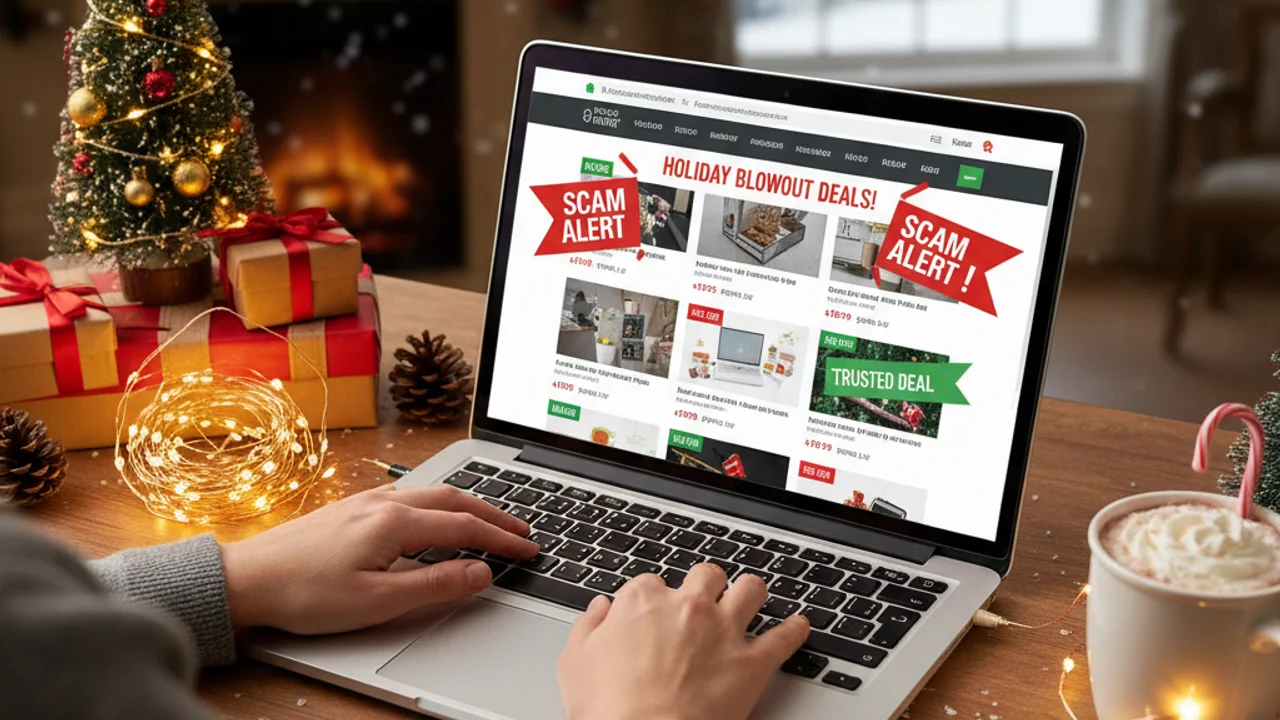
The holiday shopping season is the most wonderful time of year for scammers. Between Black Friday, Cyber Monday, and the weeks of gift buying that follow, consumers spend hundreds of billions of dollars online, much of it in a rush, driven by limited-time deals and the pressure of looming deadlines. This combination of urgency, high spending, and emotional decision-making creates the perfect environment for fraud. Every year, scammers refine their techniques, and every year, millions of shoppers lose money to schemes that could have been avoided with a little preparation.
The numbers tell the story. Consumer protection agencies report that holiday season fraud complaints increase by 40% to 60% compared to the rest of the year. Average losses per victim also increase during the holidays, as shoppers make larger purchases and are more willing to buy from unfamiliar sources when they believe they are getting an exceptional deal. The stakes are high, but so is the opportunity to protect yourself by understanding how these scams work and what to watch for.
The Holiday Scam Surge
Scam activity does not increase randomly during the holidays. It follows the shopping calendar with precision. The first wave arrives in early November as scammers launch fake stores and social media ad campaigns designed to capture early shoppers. The second wave crests during Black Friday and Cyber Monday week, when the volume of legitimate deals provides perfect cover for fraudulent ones. A third wave targets last-minute shoppers in the final two weeks before major holidays, exploiting desperation and reduced options.
Scammers capitalize on several psychological factors that intensify during the holidays. Time pressure makes shoppers skip verification steps they would normally take. The fear of missing a deal overrides caution. Gift-buying for others reduces the price sensitivity that would normally trigger skepticism about unrealistic discounts. And the sheer volume of shopping during this period means that individual fraudulent transactions are harder to notice among dozens of legitimate purchases.
Social media platforms become especially dangerous during the holidays. The volume of shopping-related ads increases dramatically, and scammers blend their fraudulent advertisements into the flood of legitimate offers. A fake online store advertising a 70% off holiday sale looks virtually identical to a real retailer running a genuine promotion when you are scrolling through your feed.
Found a holiday deal that seems too good? Verify the store with Truvizy before buying.
Most Common Holiday Shopping Scams
Fake holiday storefronts are the most prevalent seasonal scam. Scammers create professional-looking e-commerce sites, stock them with popular holiday gift items at irresistible prices, and drive traffic through social media advertising and search engine optimization. These stores typically operate for two to three weeks, collecting payments and personal information before disappearing. Some deliver cheap substitutes; most deliver nothing at all.
Counterfeit luxury goods scams spike during the gift-giving season. Fake designer handbags, watches, perfumes, electronics, and jewelry are marketed as genuine items at steep discounts. The appeal of giving an expensive gift at a fraction of its retail price is powerful, and scammers exploit this by creating listings that are difficult to distinguish from legitimate sales until the product arrives.
Charity scams emerge every holiday season. Fake charitable organizations solicit donations through email, social media, and even door-to-door visits, using emotional appeals tied to the season of giving. These operations steal donations and personal information while legitimate charities miss out on support. Always verify a charity through independent databases before donating.
Holiday travel scams target families booking vacations. Fake rental listings, phishing emails disguised as airline booking confirmations, and fraudulent travel deal sites all increase during peak travel periods. The rise of AI-generated content has made these scams more convincing, with synthetic images of vacation properties and AI-written listing descriptions that sound completely legitimate.
Fake Deals, Coupons, and Promo Codes
The promise of exclusive deals and hidden discount codes is a powerful lure during shopping seasons. Scammers distribute fake coupon codes through email, social media, and dedicated "coupon" websites that redirect you to phishing pages. These fake codes require you to enter personal information or create an account on a fraudulent site to "unlock" the discount, capturing your data in the process.
Price comparison phishing is another sophisticated technique. Scammers create sites that appear to compare prices across retailers, showing that their fake store consistently offers the lowest price. These comparison sites look legitimate but exist solely to funnel traffic to the scam store. The lowest price displayed is always at the fraudulent retailer, giving shoppers false confidence that they are getting the best deal.
Browser extension scams multiply during the holidays. Extensions promising automatic coupon application, cash back, or price tracking may actually be collecting your browsing history, payment information, and personal data. Only install extensions from established, well-reviewed providers, and review the permissions any extension requests before installation.
Social media "giveaway" scams use the holiday spirit to collect personal information. Posts claiming a major brand is giving away free products to people who like, share, and fill out a form are almost always fraudulent. They harvest personal data at scale while delivering nothing in return.
You receive an email with a '90% off Black Friday' coupon code. What should you do?
- Click the link immediately before it expires
- Share it with friends so they can save too
- Go directly to the retailer\
- ,
Answer: Never click links in unsolicited deal emails. Instead, go directly to the retailer's official website or app to see if the promotion actually exists.
Gift Card Fraud During the Holidays
Gift cards are both a popular holiday gift and a favored tool for scammers. Physical gift card tampering is a persistent problem: criminals copy card numbers and PINs from cards displayed in retail stores, then monitor the cards until they are activated by a purchaser. Once activated, the criminal drains the balance before the gift recipient tries to use it.
To protect against physical gift card tampering, inspect the card packaging carefully before purchasing. Check that security seals and scratch-off panels have not been tampered with. Purchase gift cards from behind the register rather than from open displays when possible. And activate and use gift cards promptly rather than holding them.
Gift card payment scams are a year-round problem that intensifies during the holidays. Any request to pay for goods, services, taxes, fees, or fines with gift cards is a scam, without exception. Scammers impersonate government agencies, tech support, family members in distress, and retailers to pressure victims into purchasing gift cards and providing the codes.
Discounted gift card resale scams offer gift cards at below face value on unofficial resale platforms. While some discounted gift cards are legitimate, scammers sell cards that have already been drained, were purchased with stolen credit cards, or will be disputed after sale. Stick to authorized resale platforms with buyer protection.
Shipping and Delivery Notification Scams
During the holidays, most people are expecting multiple deliveries, making shipping notification scams particularly effective. Phishing emails and text messages impersonating carriers like UPS, FedEx, USPS, and DHL claim there is a delivery problem requiring your immediate attention. The messages include links to fake tracking pages that harvest login credentials or install malware.
Package theft (porch piracy) also spikes during the holidays. While not an online scam per se, it is worth addressing because it affects the same shoppers being targeted by digital fraud. Use delivery instructions to place packages in secure locations, consider requiring signature confirmation for valuable items, and use package lockers or pickup points when available.
Tracking number scams involve messages with fake tracking numbers that lead to phishing sites. If you receive a tracking notification you did not expect, do not click the link. Instead, log directly into the carrier's website or app and enter the tracking number there. Better yet, track all your holiday orders through the retailers' websites rather than clicking links in email or text notifications.
Use Truvizy's scanning tool to verify suspicious shopping links, deal advertisements, and store promotions before entering any personal information. Our AI-powered analysis catches seasonal scam patterns that multiply during peak shopping periods.
Your Safe Holiday Shopping Checklist
Start your holiday shopping with a plan. Make a list of what you need and research prices at known retailers before sale events begin. Having baseline prices prevents you from being lured by fake discounts that inflate the original price before applying a "discount" that brings it back to normal or higher.
Verify every unfamiliar store before purchasing. Check domain registration dates, search for reviews, test contact information, and look for the warning signs covered in our guide to spotting fake online stores. The few minutes of verification are always worth it during the season when fake stores proliferate.
Use credit cards exclusively for online holiday shopping. The chargeback protections they provide are your safety net if a purchase goes wrong. Consider using virtual credit card numbers for purchases from unfamiliar retailers, limiting your exposure if the store turns out to be fraudulent. Avoid wire transfers, cryptocurrency payments, and gift card payments for any purchase.
Monitor your financial accounts closely throughout the holiday season. Check your credit card and bank statements weekly rather than monthly. Set up transaction alerts for purchases above a certain amount. Early detection of unauthorized charges dramatically improves your chances of recovery.
Key Takeaways
- Research prices at known retailers before sale events to establish baseline pricing.
- Verify every unfamiliar store, check domain age, reviews, and contact information.
- Use credit cards exclusively for online shopping and set up transaction alerts.
- Never click links in unsolicited deal emails or shipping notifications.
Protect your holiday shopping season with AI-powered scam detection.
Protect yourself with AI-powered scanning tools that provide real-time analysis of shopping links, advertisements, and store legitimacy. During peak scam seasons, automated protection catches threats that overwhelmed human judgment misses, keeping your holiday shopping experience safe and enjoyable.
The holiday season should be about generosity and celebration, not about recovering from fraud. With awareness, preparation, and the right tools, you can enjoy the best deals of the year while keeping scammers out of your holiday season entirely.
Related reading: How to Spot Fake Online Stores: Identify fraudulent e-commerce sites before you buy
Related reading: Phishing Email Detection Guide: Protect yourself from phishing attacks
Related reading: Identity Theft Prevention: 15 steps to protect your personal information
Frequently Asked Questions
When do holiday shopping scams peak?
Scam activity begins ramping up in October, peaks during Black Friday through Cyber Monday week, and remains elevated through the December holiday season. A secondary spike occurs in January around post-holiday sales and returns.
Are Black Friday deals from social media ads safe?
Not always. While some legitimate retailers advertise on social media, scammers create fake stores specifically for Black Friday traffic. Always verify the store independently before purchasing, regardless of how good the advertised deal appears.
How can I protect elderly family members from holiday scams?
Have a conversation about common scam tactics before the holiday season, help them verify unfamiliar stores, set up two-factor authentication on their accounts, and encourage them to check with you before making large purchases from new sources.
Are e-gift cards safer than physical gift cards for holiday giving?
E-gift cards purchased directly from the retailer are generally safer because they cannot be tampered with at the point of sale. Physical gift cards displayed in stores can be compromised by scammers who record card numbers and PINs before they are purchased.