Amazon Scam Protection: Avoid Fake Sellers, Listings, and Reviews
Protect yourself from Amazon scams including fake sellers, counterfeit products, manipulated reviews, and phishing attacks targeting Amazon shoppers.
· By Truvizy Research Team · 8 min read
TL;DR
Amazon scams range from fake third-party sellers and counterfeit products to manipulated reviews and phishing emails impersonating Amazon. Learning to identify suspicious listings, verify seller legitimacy, and recognize phishing attempts keeps your account and finances safe.
Amazon processes billions of transactions annually, making it the world's largest e-commerce marketplace and an irresistible target for scammers. While Amazon invests heavily in fraud prevention, the sheer scale of its platform means that fake sellers, counterfeit products, manipulated reviews, and phishing attacks continue to slip through. For consumers, navigating this landscape safely requires understanding the specific scam techniques that target Amazon shoppers and knowing how to spot them before they cause harm.
The third-party marketplace model that makes Amazon so successful also creates vulnerability. Anyone can become an Amazon seller, and while most sellers are legitimate, the low barrier to entry means fraudulent operators regularly set up shop, exploit the platform for days or weeks, and disappear before enforcement catches up. Combine this with sophisticated phishing campaigns that impersonate Amazon's branding and you have a multi-layered threat that catches even experienced online shoppers off guard.
The Amazon Scam Landscape
Amazon scams fall into several distinct categories, each targeting different aspects of the shopping experience. Marketplace fraud involves fake sellers who list products they never intend to ship, collect payment, and vanish. Counterfeit operations sell knock-off products using stolen images and descriptions from legitimate brands. Review manipulation distorts the information shoppers rely on to make purchasing decisions. And phishing attacks use Amazon's trusted brand to steal login credentials, payment information, and personal data.
The financial impact is substantial. Consumer protection agencies report that Amazon-related fraud accounts for a significant portion of all e-commerce complaints. Losses range from small purchases that never arrive to sophisticated account takeover schemes that drain payment methods and gift card balances. The emotional toll compounds the financial damage, as victims often feel betrayed by a platform they trusted.
What makes Amazon scams particularly effective is the platform's reputation. Shoppers extend the trust they have in Amazon to every seller on its marketplace, assuming that Amazon has vetted them. In reality, while Amazon does remove fraudulent sellers, the verification process cannot catch every bad actor before they cause harm. Your own vigilance remains the first line of defense.
Spotted a suspicious Amazon listing or email? Scan it with Truvizy for instant analysis.
Fake Sellers and Counterfeit Products
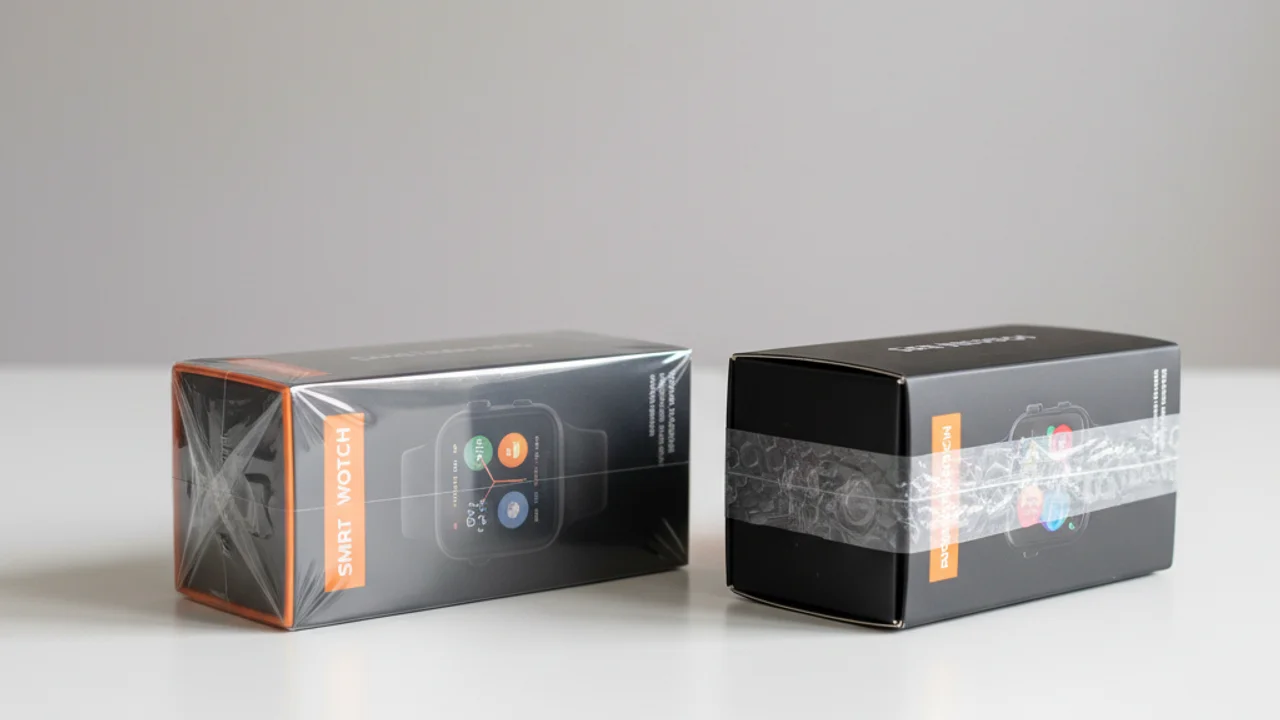
Fake seller operations on Amazon follow a predictable pattern. A new account appears, listing popular products at prices significantly below the competition. The listings use professional images stolen from legitimate brands and feature detailed, well-written descriptions. Orders placed with these sellers result in one of three outcomes: nothing arrives, a cheap substitute is shipped, or a counterfeit that superficially resembles the genuine product is delivered.
The warning signs are consistent. A seller with very few reviews or a brand-new account offering steep discounts on in-demand items should raise immediate suspicion. Check the seller's storefront page for their registration date, total feedback count, and the variety of products offered. A seller who started last week and already lists 500 products across unrelated categories is almost certainly fraudulent.
Counterfeit products pose additional risks beyond wasted money. Fake electronics may lack proper safety certifications and can pose fire hazards. Counterfeit health and beauty products may contain harmful ingredients. Fake automotive parts can fail dangerously. If a deal seems too good to be true, especially on brand-name items, it likely is. The same principle applies to standalone fake online stores that impersonate major retailers.
To protect yourself, favor items sold directly by Amazon or by sellers with established track records. Check for the "Ships from and sold by Amazon" label on product pages. When buying from third-party sellers, verify their seller rating is above 95%, they have hundreds of reviews, and their account is at least a year old. Use Truvizy's scanning tool to analyze suspicious product listings and advertisements before purchasing.

Review Manipulation on Amazon
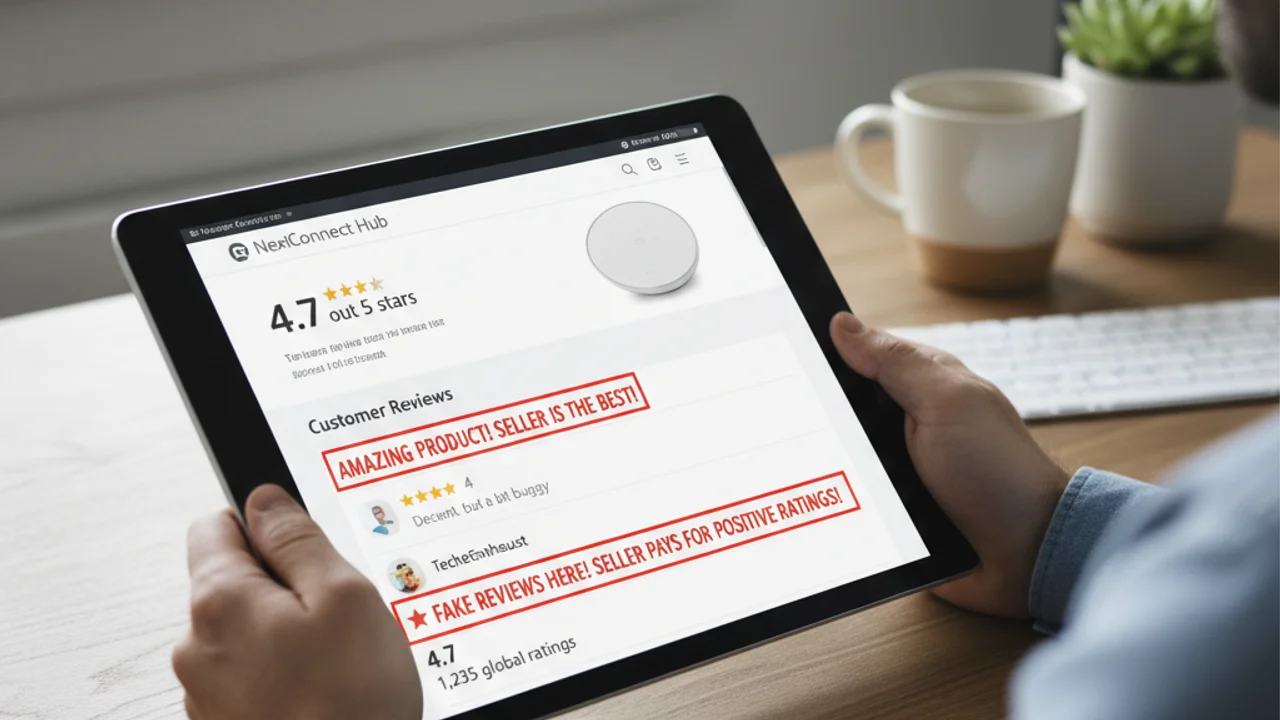
Amazon reviews are the primary decision-making tool for shoppers, and scammers know it. Review manipulation takes many forms: purchased positive reviews from fake accounts, organized review campaigns through social media groups, incentivized reviews where customers receive free products in exchange for five-star ratings, and negative review attacks against competitors.
Spotting manipulated reviews requires looking at patterns rather than individual comments. Products with hundreds of five-star reviews but very few one through four-star reviews have an unnatural distribution. Reviews posted within a short time window, especially right after a product launches, suggest organized campaigns. Vague, overly enthusiastic reviews that could apply to any product are often fake, while genuine reviews typically mention specific details about usage, sizing, or comparisons to alternatives.
The reviewer's profile itself can be revealing. Click on a reviewer's name to see their review history. Fake reviewers often review dozens of unrelated products within short periods, leave similarly worded reviews across different categories, and have review histories that started recently. If a product's reviews are largely from accounts with sparse or suspicious histories, treat the ratings with skepticism. For a deeper dive into this problem, see our guide on detecting fake reviews across platforms.
Third-party review analysis tools can aggregate review data and highlight suspicious patterns automatically. These tools analyze the timing, language, and reviewer profiles behind a product's ratings to give you a more accurate picture of genuine customer sentiment.
Which review pattern most likely indicates manipulation?
- A mix of 1-5 star reviews with detailed comments
- Mostly 5-star reviews posted within the same week with generic praise
- Several 3-star reviews mentioning specific product issues
- Reviews from accounts with varied purchase histories
Answer: A burst of 5-star reviews in a short timeframe with generic, interchangeable language is a classic sign of a coordinated fake review campaign.
Phishing Attacks Targeting Amazon Shoppers
Phishing campaigns impersonating Amazon are among the most common email and text scams globally. These messages typically claim there is a problem with your account, a suspicious purchase has been made, your payment method needs updating, or a package delivery requires action. The goal is always the same: get you to click a link and enter your Amazon credentials on a fake login page.
Modern Amazon phishing emails are remarkably convincing. They use Amazon's logo, color scheme, and email formatting. They include order numbers, delivery dates, and product names that create a sense of specificity and urgency. Some even reference real products you have recently browsed, using data from third-party tracking to make the message seem legitimate.
The telltale signs are in the details. Check the sender's email address carefully: legitimate Amazon emails come from @amazon.com domains. Hover over any links before clicking to see the actual URL destination. Amazon will never ask you to verify your password, credit card number, or Social Security number via email. If you are uncertain about any communication, open a new browser window, navigate directly to amazon.com, and check your account from there rather than clicking any links in the message.
Text message phishing (smishing) has also surged, with messages about package delivery failures, account suspensions, and prize winnings that include links to fake Amazon pages. Never click links in unexpected text messages claiming to be from Amazon.
Protecting Your Amazon Account
Strong account security is your foundation. Enable two-factor authentication on your Amazon account immediately if you have not already. Use a unique, strong password that you do not reuse on any other site. Review your saved payment methods and shipping addresses periodically and remove any you do not recognize.
Monitor your order history regularly. Amazon account takeover is a growing problem where attackers gain access to your account, use your saved payment methods, and ship products to their own addresses. Unusual orders, changed shipping addresses, or unfamiliar devices in your login activity should trigger an immediate password change and security review.
Be cautious with Amazon gift cards. Scammers frequently request payment via Amazon gift cards because the transactions are difficult to trace and nearly impossible to reverse. Amazon gift cards should only be used on Amazon.com. Anyone asking you to pay for anything, whether taxes, utility bills, bail, or prizes, with Amazon gift cards is running a scam.
Consider upgrading your digital protection with tools that monitor for phishing attempts, suspicious account activity, and data breaches that could expose your Amazon credentials.
Protect your Amazon account and more with AI-powered scam detection.
Reporting Scams and Recovering Losses
If you encounter a scam on Amazon, report it through multiple channels. Use Amazon's "Report a violation" feature on the product or seller page. File an A-to-Z Guarantee claim through your order history for purchases that did not arrive or were significantly different from the description. Contact Amazon customer service directly for account security issues.
For phishing attempts, forward suspicious emails to stop-spoofing@amazon.com. This helps Amazon identify and block phishing domains. If you entered credentials on a phishing site, change your Amazon password immediately, enable two-factor authentication, and review your account for unauthorized activity.
Beyond Amazon, report scams to the FTC at reportfraud.ftc.gov and to your state attorney general's consumer protection office. If financial information was compromised, contact your bank or credit card company to freeze or replace affected cards. Monitor your credit report for signs of identity theft in the months following a scam encounter.
Key Takeaways
- Verify seller ratings, account age, and review count before buying from third-party sellers.
- Never click links in unsolicited Amazon emails or texts, go directly to amazon.com instead.
- Enable two-factor authentication and use a unique password for your Amazon account.
- Report scams to Amazon, the FTC, and your bank to protect yourself and others.
Amazon shopping can be safe and convenient when you approach it with the right combination of awareness and caution. Verify sellers before purchasing, analyze reviews critically, never click links in unsolicited emails or texts, and maintain strong account security. These habits take seconds to practice and can save you from significant financial and personal harm.
Related reading: How to Spot Fake Online Stores: Identify fraudulent e-commerce sites before you buy
Related reading: Phishing Email Detection Guide: Recognize and avoid phishing attacks in your inbox
Related reading: How to Report an Online Scam: Step-by-step reporting guide for every platform
Frequently Asked Questions
How do I know if an Amazon seller is legitimate?
Check the seller rating, review count, and how long they have been selling on Amazon. Legitimate sellers typically have hundreds or thousands of reviews accumulated over years. Be cautious of new sellers with few reviews offering steep discounts on popular items.
Can I get a refund if I receive a counterfeit product from Amazon?
Yes. Amazon's A-to-Z Guarantee covers purchases from third-party sellers. File a claim through your order history, and Amazon will typically issue a refund. Report the counterfeit to help Amazon remove the seller.
How do Amazon phishing emails look different from real ones?
Phishing emails often come from non-Amazon domains, contain urgent language about account suspension, include suspicious links, and ask you to verify personal information. Legitimate Amazon emails never ask for your password or payment details via email.
Are Amazon deals during Prime Day safe?
Deals on Amazon itself are generally legitimate during Prime Day, but scammers create fake deal sites and phishing emails that mimic Prime Day promotions. Always access deals directly through the Amazon app or by typing amazon.com into your browser.
What is brushing fraud on Amazon?
Brushing is when sellers send unsolicited packages to your address and post fake reviews in your name. If you receive packages you did not order, report it to Amazon, change your password, and check your account for unauthorized activity.