Bitcoin Giveaway Scams: Why "Double Your Crypto" Is Always a Lie
Learn how Bitcoin giveaway scams work, why "send crypto to receive double back" is always fraudulent, and how deepfake celebrity endorsements fuel these schemes.
· By Truvizy Research Team · 8 min read
TL;DR
Bitcoin giveaway scams promise to double or multiply your cryptocurrency if you send funds to a specified wallet. They are always fraudulent, no exceptions. These scams use deepfake celebrity endorsements, fake live streams, and hijacked verified accounts to appear legitimate. Never send cryptocurrency to claim a supposed giveaway.
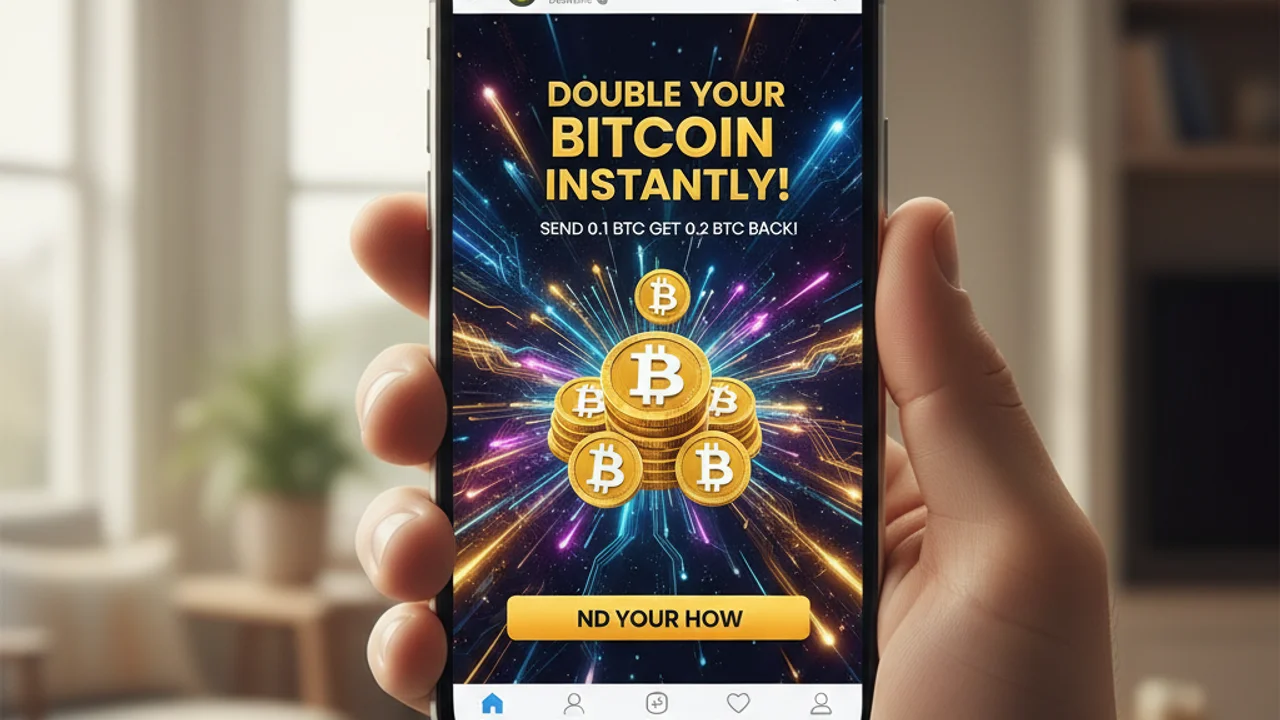
A YouTube livestream appears to show Elon Musk discussing a revolutionary new Bitcoin initiative. A QR code is displayed on screen with a simple promise: send any amount of Bitcoin to the displayed wallet address, and receive double back within minutes. Thousands of viewers are watching. The chat is flooding with testimonials from people claiming they already received their doubled funds. It looks like a genuine, once-in-a-lifetime opportunity. Every single element of it is fake.
Bitcoin giveaway scams, also known as "double your crypto" scams, are among the most persistent and profitable fraud schemes in the cryptocurrency space. Despite being conceptually simple, they continue to deceive victims because they exploit powerful psychological triggers and increasingly sophisticated technology. This guide explains exactly how they work, why they are always fraudulent, and how to protect yourself and others from falling victim.
How Bitcoin Giveaway Scams Work
The core mechanic is deceptively simple. The scammer creates a promotional page, video, or social media post advertising a cryptocurrency giveaway. The promotion claims that a wealthy individual, company, or organization is distributing free Bitcoin, Ethereum, or other cryptocurrency. To participate, victims are told they must first send a small amount of crypto to a specified wallet address to "verify" their own wallet, pay a "processing fee," or "unlock" the giveaway. The promise is that the sent funds will be returned along with a multiple, typically double.
No funds are ever returned. The scammer simply collects the incoming cryptocurrency and moves it through a chain of wallets and mixing services to obscure the trail. Because cryptocurrency transactions are irreversible and pseudonymous, victims have essentially no recourse once the transfer is confirmed on the blockchain. The scam is engineered to extract the maximum amount from the maximum number of people in the shortest possible time.
To create the illusion of legitimacy, scammers employ several reinforcing tactics: fake testimonials in comment sections and live chat, countdown timers that create urgency, fabricated transaction histories that appear to show real payouts, and professional landing pages that mimic the branding of legitimate companies. Combined, these elements create a pressure environment designed to override rational skepticism.
Deepfake Celebrity Endorsements
The most effective Bitcoin giveaway scams use deepfake videos of celebrities and tech figures to promote the scheme. As covered in our analysis of celebrity deepfake scam campaigns , Elon Musk is by far the most commonly impersonated figure in crypto fraud. His public association with cryptocurrency, combined with his enormous public profile, makes him the ideal synthetic spokesperson for giveaway scams.
These deepfake endorsement videos have become increasingly sophisticated. Early versions were obvious manipulations with visible artifacts and unnatural speech. Current versions use high-quality face-swapping and voice cloning that produce content indistinguishable from genuine footage at the resolution typical of social media video. The deepfake Musk discusses Bitcoin in his characteristic speaking style, references real Tesla and SpaceX developments to build credibility, and then smoothly transitions into promoting the fraudulent giveaway.

The production quality extends beyond the deepfake itself. Scammers build entire fake event pages, complete with fabricated conference branding, sponsor logos, and schedule information, to create the impression that the giveaway is connected to a real industry event. Some operations even create synthetic news clips using AI-generated news anchors to "report" on the giveaway, adding yet another layer of apparent legitimacy.
Seen a celebrity promoting a crypto giveaway? Scan the video for deepfake manipulation.
Hijacked Accounts and Fake Livestreams
One of the most alarming distribution methods involves the hijacking of legitimate, verified YouTube channels. Scammers gain access to established channels through phishing, credential stuffing, or purchasing stolen credentials on dark web markets. They then rename the channel to impersonate a tech company or celebrity, stream a looped deepfake giveaway video as a "live" broadcast, and use the channel's existing subscriber base and YouTube verification badge to lend credibility.
These fake livestreams can accumulate tens of thousands of concurrent viewers within hours, partly through organic discovery and partly through paid promotion using the hijacked account's advertising capabilities. YouTube's live content moderation has historically been slower than its review of uploaded videos, giving scammers a window of several hours before the stream is shut down. In that window, they can collect substantial amounts of cryptocurrency from victims who trusted the verified checkmark and high viewer count.
The same tactic has been adapted for Twitter/X, where compromised verified accounts post giveaway announcements with reply sections populated by bot accounts posting fake testimonials. The speed of social media means these posts can reach millions of impressions before being reported and removed.
Related reading: Fake Review Detection: How to spot manufactured testimonials and social proof
The Psychology Behind Giveaway Scams
Giveaway scams exploit several well-documented psychological vulnerabilities simultaneously. The authority principle is triggered by the involvement of a recognized celebrity or company. Social proof is manufactured through fake testimonials, viewer counts, and transaction histories. Scarcity and urgency are created through countdown timers and claims of limited availability. And the fear of missing out, intensified by the volatile nature of cryptocurrency markets where massive gains are part of the cultural narrative, creates emotional pressure that overrides deliberate analysis.
The small initial ask is a deliberate choice. By requesting a relatively modest amount such as 0.01 or 0.1 Bitcoin, the scammer lowers the perceived risk threshold. The victim reasons that the potential upside of doubling their crypto far outweighs the modest downside of losing a small amount. This risk calculus, while seemingly rational, is based on the false premise that there is any probability of receiving a return. The actual expected value of sending funds is exactly negative the amount sent, every time, without exception.
A verified YouTube channel is livestreaming a crypto giveaway with 50,000 viewers. What should you assume?
- It must be legitimate because the channel is verified
- The high viewer count proves real people are participating
- The channel was likely hijacked and the livestream is a scam
- You should send a small amount first to test if it works
Answer: Verified YouTube channels are frequently hijacked through phishing or stolen credentials. The verification badge and viewer count provide no guarantee of legitimacy. Never send crypto to any giveaway, regardless of how legitimate it appears.
Real Incident Breakdowns
The most widely reported crypto giveaway scam involved the July 2020 Twitter hack, where attackers compromised the accounts of Barack Obama, Joe Biden, Elon Musk, Bill Gates, Apple, and dozens of other high-profile accounts simultaneously. Each compromised account posted a Bitcoin giveaway message. Despite lasting only a few hours before Twitter regained control, the attack collected over $120,000 in Bitcoin.
Since then, the scale and sophistication have increased dramatically. YouTube-based giveaway scams using deepfake livestreams have individually netted hundreds of thousands to millions of dollars. The operations have become professionalized, with some fraud rings operating multiple concurrent campaigns targeting different audiences and platforms simultaneously. The economic return on investment for the scammers is enormous relative to the effort and risk involved.
Related reading: Social Engineering Attacks Explained: The psychological manipulation tactics behind online fraud
How to Protect Yourself
The rule is absolute: no legitimate entity will ever ask you to send cryptocurrency in order to receive cryptocurrency. This is true regardless of who appears to be making the offer, which platform it appears on, how many other people claim to have participated successfully, or how professional the presentation looks. If someone asks you to send crypto to get crypto, it is a scam. No exceptions. No edge cases.
When you encounter a suspected giveaway scam, especially one featuring a celebrity endorsement video, scan it immediately. Truvizy's free video analysis tool can determine whether the celebrity video is a deepfake by analyzing facial consistency, audio-visual synchronization, and other manipulation signals. The analysis takes seconds and can prevent you from making an irreversible financial mistake.
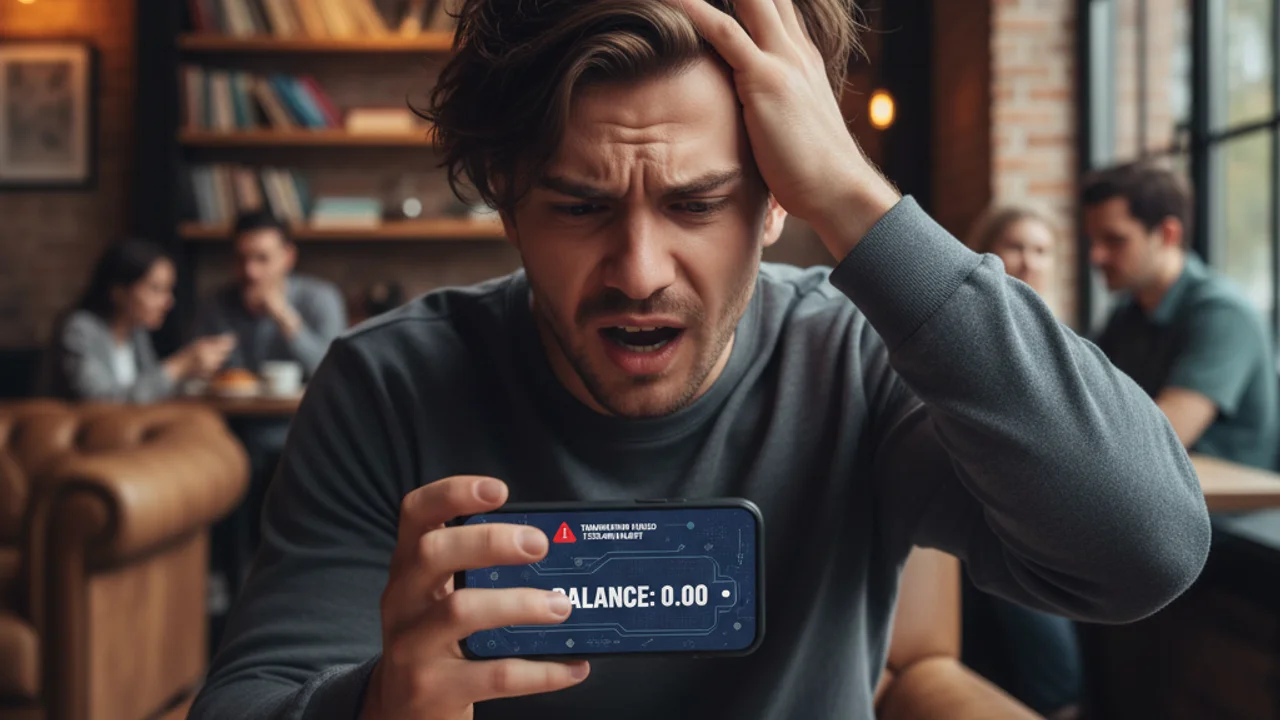
Report giveaway scams whenever you encounter them. Report to the platform directly, flag the scam wallet address on blockchain explorers, and file reports with the FTC and IC3. Every report helps platforms improve detection and potentially prevents other victims from losing funds. Share this knowledge with friends and family who hold cryptocurrency, particularly those who are newer to the space and may not yet recognize these patterns.
Protect your crypto holdings with advanced deepfake detection and scam analysis.
For organizations and individuals managing significant crypto holdings, Truvizy's premium plans offer advanced analysis for verifying the authenticity of any promotional content before it influences investment decisions. In a market where a single deepfake video can move millions of dollars, verification is not paranoia. It is prudent risk management.
Key Takeaways
- Every "send crypto to receive double back" offer is a scam with zero exceptions.
- Deepfake celebrity endorsements are now nearly indistinguishable from real footage at social media quality.
- Hijacked verified accounts and fake livestreams exploit platform trust signals to appear legitimate.
- Always verify crypto promotions on the official website and verified accounts of the person or company involved.
Related reading: How to Report an Online Scam: Step-by-step guide to reporting fraud to platforms and authorities
Frequently Asked Questions
Are any crypto giveaways legitimate?
Legitimate airdrops and promotional distributions do exist in the crypto space, but they never require you to send cryptocurrency first. Any giveaway that asks you to transfer funds to "verify your wallet" or "unlock" your reward is a scam without exception.
How much money have people lost to Bitcoin giveaway scams?
The FTC and other regulatory bodies have reported that crypto giveaway scams have collectively cost victims hundreds of millions of dollars since 2020. Individual incidents, particularly those involving hijacked high-profile accounts, have netted scammers millions in a single operation.
Can I recover cryptocurrency sent to a giveaway scam?
In almost all cases, no. Cryptocurrency transactions are irreversible by design. Once funds are sent to a scam wallet, they are typically moved through multiple wallets and mixing services within minutes, making recovery virtually impossible.
Why do scammers use celebrities in crypto giveaway scams?
Celebrity endorsements exploit parasocial trust and the association of certain public figures with cryptocurrency success. Elon Musk, for example, is commonly impersonated because of his public involvement with cryptocurrency markets.
How do I report a Bitcoin giveaway scam?
Report to the platform where you encountered it, file a complaint with the FTC at reportfraud.ftc.gov, report to the IC3 (FBI's Internet Crime Complaint Center), and report the scam wallet address to blockchain analysis firms like Chainalysis or CipherTrace.