Is Your Identity on the Dark Web? How to Check and What to Do
Learn how to check if your personal information is on the dark web, understand what happens when your data is sold to criminals, and take steps to protect yourself.
· By Truvizy Research Team · 8 min read
TL;DR
Personal information from data breaches frequently ends up on dark web marketplaces where criminals buy and sell identities. Monitoring services can alert you when your data appears, and proactive security measures can limit the damage even if your information is already circulating.
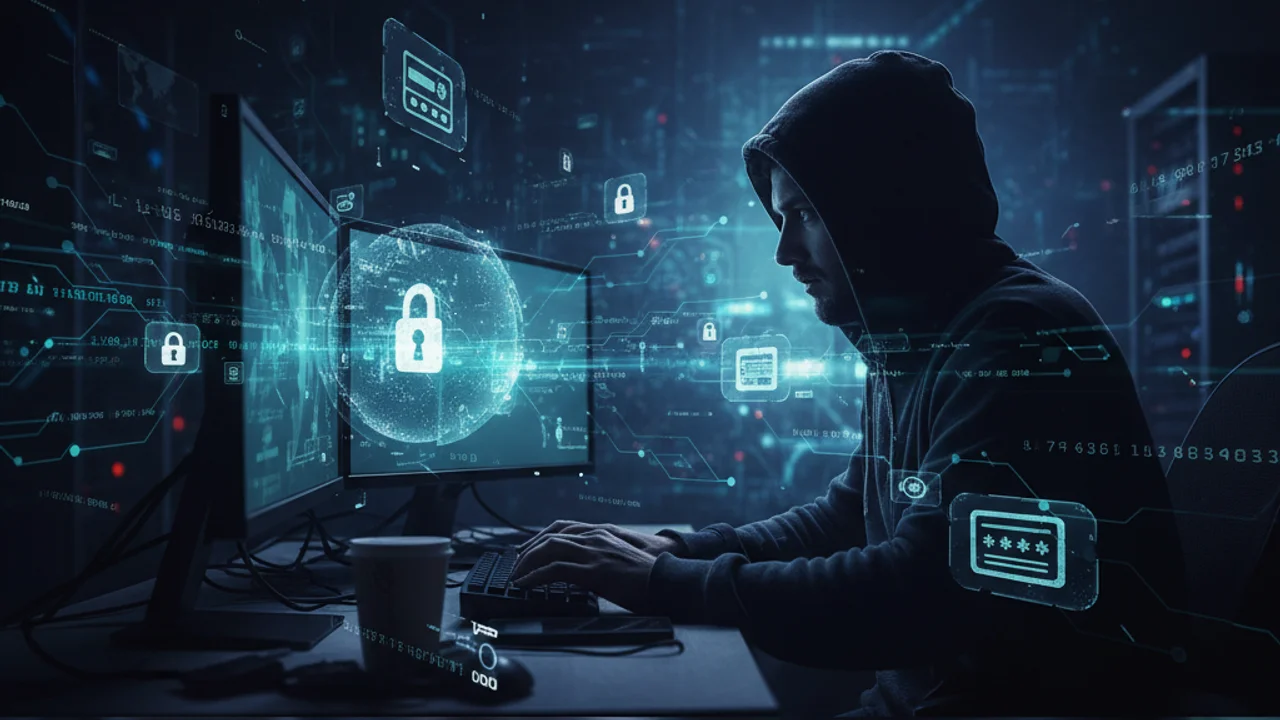
Somewhere in the hidden corners of the internet, beyond the reach of standard search engines and everyday browsing, there exists a thriving marketplace for stolen personal information. The dark web, a network of encrypted sites accessible only through specialized software, has become the primary trading floor for the personal data harvested from data breaches, phishing attacks, and other cybercrimes. If you have ever had an online account, and virtually everyone has, there is a reasonable probability that some piece of your personal information is already circulating in these criminal networks.
This is not cause for panic, but it is cause for action. Understanding what the dark web is, how your data gets there, what criminals do with it, and most importantly, what you can do about it, transforms vague anxiety into concrete, effective protection. The gap between having your data exposed and having your identity stolen is filled by your awareness and response. Let us bridge that gap.
What Is the Dark Web and How Does It Work
The internet exists in layers. The surface web is everything indexed by search engines: websites, social media, news outlets, and online stores. Below that is the deep web, which includes content behind login walls, private databases, and corporate intranets. The dark web is a subset of the deep web that requires specialized software, typically the Tor browser, to access. It uses encryption and routing techniques that make users and website operators largely anonymous.
This anonymity serves legitimate purposes including whistleblowing, journalism in authoritarian countries, and private communication. But it also provides cover for criminal activity. Dark web marketplaces operate similarly to legitimate e-commerce platforms, complete with seller ratings, customer reviews, dispute resolution, and cryptocurrency payment processing. The products for sale, however, include stolen personal data, hacking tools, counterfeit documents, and worse.
These marketplaces are not static. Law enforcement regularly shuts down major dark web marketplaces, but new ones emerge quickly. Data once posted on the dark web tends to persist indefinitely, copied across multiple platforms and archived by various actors. This permanence means that data exposed in a breach five years ago may still be available for purchase today, continuing to create risk long after the original incident.
How Your Personal Data Ends Up on the Dark Web
The primary source of dark web personal data is corporate data breaches. When a company suffers a breach, the stolen data is typically packaged and sold on dark web marketplaces within days or weeks. Major breaches involving millions of records create a flood of cheap data, while smaller, targeted breaches of high-value data like financial or medical records command premium prices.
Phishing attacks contribute a steady stream of individual credentials and personal information. Every successful phishing email that captures a login, credit card number, or Social Security number feeds the dark web supply. Millions of phishing emails are sent daily, and even a small success rate generates an enormous volume of stolen data over time.
Malware, including keyloggers and information-stealing trojans, harvests data directly from infected devices. These programs capture passwords as you type them, extract saved credentials from browsers, and copy files containing personal information. The harvested data is automatically transmitted to criminal servers and aggregated for sale.
Social engineering, whether through phone scams like Social Security impersonation calls, fake customer service interactions, or impersonation of trusted contacts, extracts information directly from victims. This data is often combined with breach data to create comprehensive identity packages that are more valuable to criminals.
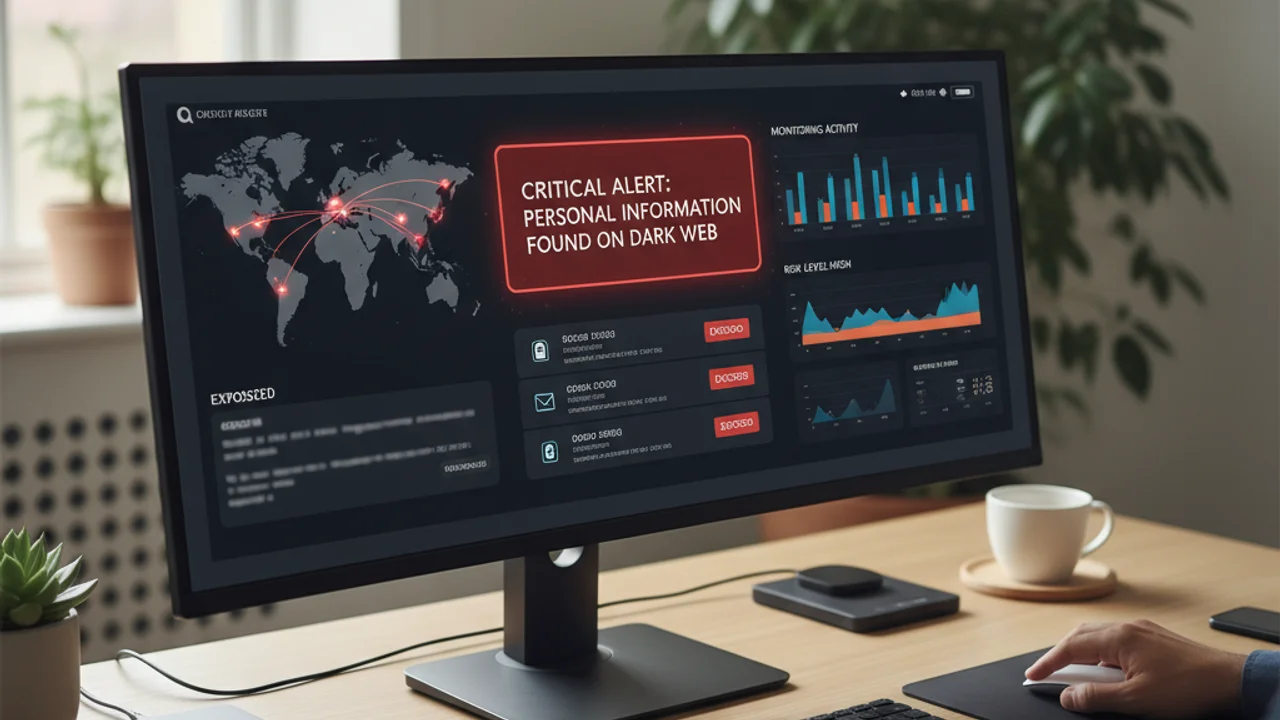
Worried your data may be exposed? Use Truvizy to verify suspicious messages targeting you.
What Criminals Buy and Sell
The dark web data economy is structured around different data types, each with distinct pricing and use cases. At the lowest tier, email and password combinations sell for pennies to a few dollars each, typically in bulk. These are used for credential stuffing attacks, where automated tools test stolen credentials against hundreds of other services, exploiting password reuse.
Credit card numbers and associated data, including the cardholder name, expiration date, CVV, and billing address, sell for anywhere from a few dollars to over $30 depending on the card type, credit limit, and freshness of the data. Cards verified as still active command premium prices. This data is used for online purchases, card cloning, and as a stepping stone to more sophisticated fraud.
Full identity packages, often called "fullz" in criminal jargon, include a name, Social Security number, date of birth, address, phone number, and sometimes driver's license information. These sell for $30 to $100 or more and enable comprehensive identity theft including opening credit accounts, filing tax returns, obtaining government benefits, and creating synthetic identities.
Medical records are among the most valuable data on the dark web, sometimes selling for hundreds of dollars per record. They contain a rich combination of personal, financial, and health information that enables medical identity theft, insurance fraud, and prescription fraud. The value is amplified because medical identity theft is difficult to detect and can take years to resolve.
Corporate credentials, including VPN access, email accounts, and administrative passwords, sell at premium prices because they enable attacks on the organization itself. A single set of corporate credentials can open the door to a massive data breach, creating a cycle that feeds more data into the dark web ecosystem.
Which type of personal data typically sells for the HIGHEST price on the dark web?
- Email and password combinations
- Credit card numbers
- Medical records
- Social media login credentials
Answer: Medical records sell for the highest prices because they contain a rich combination of personal, financial, and health information that enables multiple types of fraud and is extremely difficult for victims to detect.
How to Check If Your Data Is Exposed
You do not need to access the dark web yourself to determine if your data is exposed. Several legitimate tools and services check dark web databases on your behalf. The most accessible free tool is HaveIBeenPwned.com, which aggregates data from known breaches and lets you search by email address or phone number to see if your information has appeared in any of them.
Paid identity monitoring services offer more comprehensive scanning. These services continuously monitor dark web marketplaces, criminal forums, and data dump sites for your personal information including email addresses, phone numbers, Social Security numbers, and financial account numbers. When a match is found, you receive an alert with details about where your data appeared and recommendations for response.
Many credit monitoring services and financial institutions now include dark web monitoring as part of their service packages. Check whether your existing bank, credit card, or identity protection service already provides this feature before paying for a separate service.
After a data breach notification, checking your exposure becomes particularly important. The breached company may offer free monitoring, but supplementing this with your own checks using multiple tools provides more comprehensive coverage.
Use Truvizy's scanning tool to analyze suspicious communications that may indicate your data is being exploited. Phishing attempts using personal details from the dark web are often the first sign that your information is circulating among criminals.
What to Do If Your Data Is Found
If monitoring reveals your data on the dark web, your response should be proportional to the type of data exposed. For email and password combinations, immediately change the password on the affected service and any service where you used the same password. Enable two-factor authentication everywhere possible.
For exposed financial information, contact your bank or credit card company to report the compromise. Request new account or card numbers. Set up transaction alerts and monitor statements closely for unauthorized activity.
For Social Security numbers, implement the full identity theft prevention protocol: freeze your credit at all three bureaus, file for an IRS Identity Protection PIN, create your mySocialSecurity account if you have not already, and monitor your credit reports quarterly. The permanence of SSN exposure means these protective measures should be maintained indefinitely.
For comprehensive identity packages, treat the situation as active identity theft even if no fraudulent activity has occurred yet. Follow the steps in our identity theft recovery guide proactively rather than waiting for damage to appear. The fact that your full identity is available for purchase means it is a matter of when, not if, someone attempts to exploit it.

Preventing Future Exposure
While you cannot control data breaches at companies you use, you can minimize the amount and type of data that is vulnerable. Practice data minimization by providing only the information that is strictly required. Use unique email aliases for different services so you can identify which service was breached when an alias starts receiving spam or phishing. Avoid storing payment methods on sites where you shop infrequently.
A password manager generating unique passwords for every account ensures that a breach at one service never compromises another. Two-factor authentication adds protection even when passwords are exposed. Together, these two measures eliminate the most common attack vectors that follow data exposure.
Regularly audit the online services you use. Delete accounts you no longer need, as every account is a potential breach exposure point. The fewer places your data is stored, the lower your overall risk. Before creating new accounts, consider whether the service truly requires the information it requests and whether the convenience is worth the additional exposure.
Key Takeaways
- Use HaveIBeenPwned.com and monitoring services to check if your data is exposed.
- Response should match the severity: password changes for emails, credit freezes for SSNs.
- Practice data minimization, provide only required information and delete unused accounts.
- A password manager + 2FA eliminates the most common attack vectors after data exposure.
Get proactive protection against identity threats with AI-powered monitoring and scanning.
Invest in comprehensive protection tools that provide ongoing monitoring, real-time threat detection, and verification of suspicious communications. In a digital environment where personal data breaches are routine and dark web trading is constant, proactive protection is not optional; it is a necessary component of responsible online life.
The dark web will continue operating as a marketplace for stolen data for the foreseeable future. Your best defense is not pretending it does not exist but acknowledging the reality and taking concrete, ongoing steps to protect your identity. The combination of monitoring, strong security practices, and rapid response to alerts creates a defensive posture that makes your data far less useful to criminals, even if it has already been exposed.
Related reading: Data Breach Response Guide: Steps to take when your data is exposed in a breach
Related reading: Password Security in 2026: Modern strategies for account protection
Related reading: Identity Theft Prevention: 15 steps to protect your personal information
Frequently Asked Questions
Is it illegal to access the dark web?
Simply accessing the dark web is not illegal in most jurisdictions. However, many activities on the dark web are illegal, including buying or selling stolen data, drugs, and weapons. Use legitimate monitoring services rather than attempting to access the dark web yourself.
How much is my personal information worth on the dark web?
Prices vary by data type: email and password combinations sell for a few dollars, credit card numbers for $5 to $30, full identity packages with SSN for $30 to $100, and medical records for up to several hundred dollars. Higher-quality and more complete data commands higher prices.
Can I remove my information from the dark web?
No. Once your data is on the dark web, it cannot be removed because it has been copied and distributed across decentralized networks. Focus on mitigating the damage by changing compromised credentials, freezing credit, and monitoring for fraudulent use.
Are dark web monitoring services worth the cost?
For most people, they provide valuable early warning. Monitoring services alert you when your data appears in new breaches or on criminal marketplaces, allowing you to take protective action before the data is exploited. The value increases if you have been in multiple data breaches.
How often should I check if my data is on the dark web?
Use an automated monitoring service for continuous alerts rather than periodic manual checks. At minimum, check after any data breach notification and at least quarterly using free tools like HaveIBeenPwned.com.