Data Breach Alert: What to Do When Your Information Is Exposed
Learn exactly what to do when you receive a data breach notification, how to assess your risk, protect your accounts, and prevent identity theft after your data is exposed.
· By Truvizy Research Team · 8 min read
TL;DR
Data breaches expose billions of records annually, and how you respond determines whether exposed data becomes identity theft. Acting quickly to change passwords, freeze credit, monitor accounts, and assess what information was compromised dramatically reduces your risk after a breach.
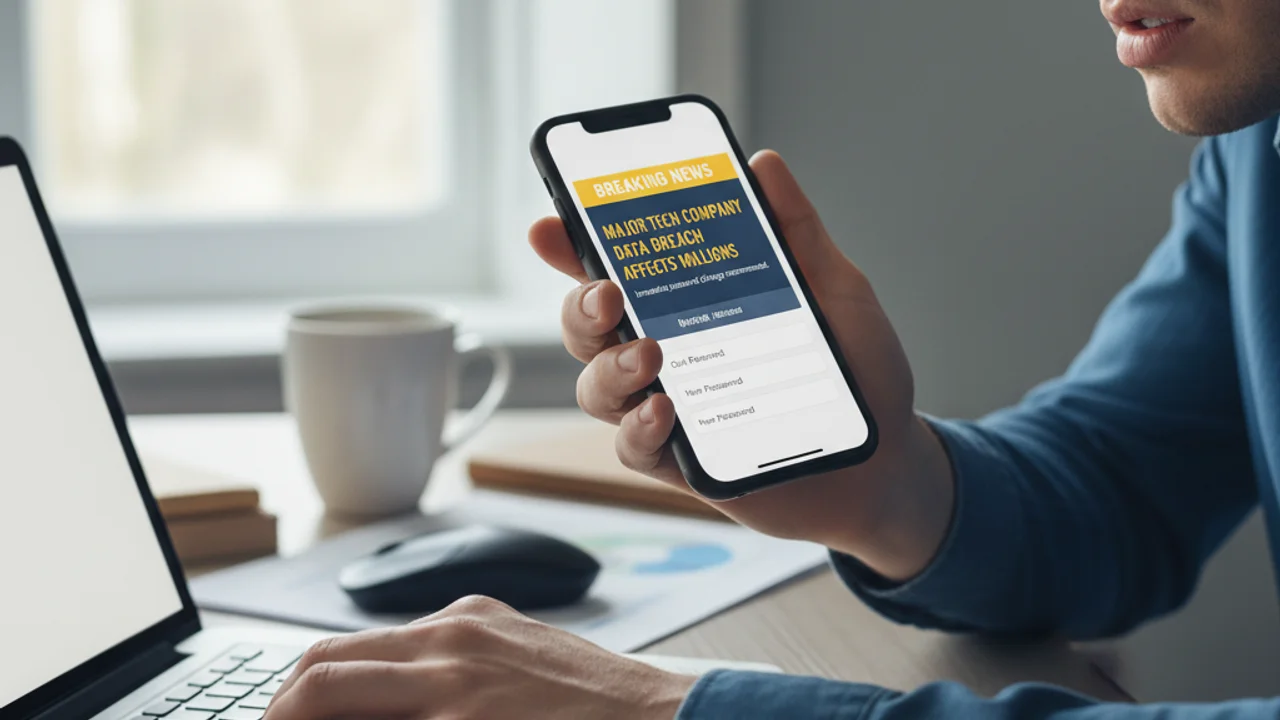
You open your email and find a notification that a company you use has experienced a data breach. Your personal information may have been exposed. If this sounds familiar, you are not alone, data breaches have become so frequent that most adults have received multiple breach notifications, and the number continues to climb.
The critical question is not whether your data will be exposed in a breach, statistically, it already has been, but how you respond when it happens. A swift, systematic response can neutralize the threat before criminals exploit the exposed data. Ignoring or delaying your response gives attackers the time they need to turn your stolen information into real financial damage.
Understanding Data Breaches
A data breach occurs when unauthorized parties gain access to protected information stored by a company or organization. The methods vary, hackers may exploit software vulnerabilities, use stolen employee credentials, deploy ransomware, or take advantage of misconfigured databases that expose data to the public internet.
The type and severity depends on what data was accessed:
- <strong>Email addresses & usernames</strong>, Lowest tier. Increases phishing risk and account compromise through password reuse.
- <strong>Passwords (even hashed)</strong>, Serious exposure. Older hashing methods can be cracked with brute force.
- <strong>Financial data</strong>, Credit card numbers and bank details create immediate fraud risk.
- <strong>SSN & government ID</strong>, Most damaging. Enables full <Link to="/blog/identity-theft-prevention" className="text-cyan-400 hover:underline">identity theft</Link>.
Related reading: Complete Identity Theft Prevention Guide: Learn how to protect yourself before a breach happens
Assessing Your Exposure After a Breach
When you receive a breach notification, start by carefully reading the details. Identify exactly what information was exposed: was it just email addresses, or did it include passwords, payment details, Social Security numbers, or other sensitive data?
Determine when the breach occurred, there may be a gap of weeks or months between the breach and the notification, during which your data may have already been exploited.
Check whether the breached company is offering any remediation, free credit monitoring, identity theft protection, or password reset assistance. Accept these services when offered, but do not treat them as a substitute for your own response.
Got a suspicious breach notification email? Verify it instantly before clicking any links.

Immediate Response Steps
Regardless of breach severity, take these actions within the first 24 hours:
Key Takeaways
- Change your password on the breached service immediately, make it unique and strong.
- Change passwords on ANY other service where you reused the same or similar password.
- Enable two-factor authentication (2FA) on the breached account and all critical accounts.
- Review recent account activity for signs of unauthorized access.
- Report any suspicious activity to the service provider immediately.
If passwords were exposed, assume they are compromised even if the company says they were encrypted or hashed. Older or weaker hashing methods can be cracked, criminals invest significant computing resources in breaking password hashes from major breaches.
After a data breach, what's the MOST important first action?
- Wait for the company to fix the issue
- Change your password immediately on the breached service
- Delete your account on the breached service
- Post about it on social media
Answer: Changing your password immediately is the single most impactful action. If you reused that password elsewhere, change those too. Don't wait, every hour of delay is an opportunity for attackers.
Related reading: Password Security in 2026: The Complete Guide: How to create and manage unbreakable passwords
Related reading: Two-Factor Authentication: Your Second Line of Defense: Why 2FA is essential and how to set it up everywhere
Financial Protection Measures
If financial information was exposed, credit card numbers, bank account details, or Social Security numbers, escalate your response significantly.
Contact your bank and credit card companies to report the breach. For exposed credit card numbers, request new card numbers. Set up transaction alerts at low thresholds so you are immediately aware of any unauthorized activity.
Review your health insurance statements for medical identity theft, when someone uses your insurance information to obtain medical care. Unexplained bills, unfamiliar providers, or changes to your insurance records can indicate this dangerous form of fraud. Incorrect information in your medical records can lead to misdiagnosis or inappropriate treatment.
Financial data exposed? Protect yourself and your family with continuous monitoring.
Related reading: Identity Stolen? Your Complete Recovery Guide: Step-by-step recovery plan when identity theft has already happened
Ongoing Monitoring and Vigilance
Your response doesn't end after the initial actions. Stolen data often appears on criminal marketplaces months after the breach, and attackers may wait strategically before exploiting it.
Be especially alert for phishing attempts in the weeks following a breach notification. Criminals use breach data to craft targeted emails that reference the specific breach, your real account details, or personal information that makes the message seem legitimate. The rise of AI-generated content makes these targeted attacks increasingly convincing.
Consider using a breach monitoring service that alerts you when your personal information appears in new breaches or on criminal marketplaces. Our guide on checking the dark web for your identity explains how to determine what information is currently circulating in criminal networks.
Reducing Your Risk in Future Breaches
Since breaches will continue occurring, the most effective long-term strategy is minimizing the damage any single breach can cause.
Key Takeaways
- Use a password manager to generate unique passwords for every account.
- Enable 2FA on all important accounts, even if it feels inconvenient.
- Practice data minimization: only provide info that is strictly required.
- Don\
- ,
- t need your primary email.
- Switch to passkeys or biometric authentication where available.
Every piece of data you withhold is one less item that can be exposed in a breach. If a service offers the option to use a passkey or biometric authentication instead of a password, consider switching, these methods are phishing-resistant and not affected by traditional data breaches.
Continue Reading
Related reading: Phishing Email Detection: Spot Scams Before You Click: Learn to identify the subtle signs of phishing attacks
Related reading: Social Engineering Attacks: How Scammers Manipulate You: Understand the psychology behind modern scam techniques
Related reading: Social Security Scams: Protect Your Benefits: How to spot and avoid the latest SSN-based scams
Frequently Asked Questions
How do I know if my data was in a breach?
Companies are legally required to notify affected individuals. You can also check breach databases like HaveIBeenPwned.com to see if your email or phone number has appeared in known breaches. Data breach monitoring services provide ongoing alerts.
Should I worry if only my email was exposed in a breach?
Yes, though the risk is lower than if financial data was exposed. An exposed email address will receive more phishing attempts and spam. If you used the same password on the breached service as on other accounts, those accounts are at risk.
Do I need to change all my passwords after a breach?
Change the password on the breached service immediately. Also change passwords on any other service where you used the same or a similar password. If each account has a unique password, only the breached account needs updating.
Are class action lawsuits after data breaches worth joining?
Class action settlements typically offer modest individual payouts, credit monitoring services, or both. They are generally worth joining as there is little downside, but they should not be your primary response strategy. Focus on protecting yourself first.
How long after a breach should I remain vigilant?
Indefinitely, but especially for the first 12 to 24 months. Stolen data may be sold or used months or even years after the initial breach. Maintain enhanced monitoring for at least a year and adopt permanent security improvements.