Political Deepfakes: How Fake Videos Threaten Elections
Explore how deepfake videos are used to manipulate elections, fabricate political statements, and undermine democratic processes. Learn to verify political content.
· By Truvizy Research Team · 8 min read
TL;DR
Political deepfakes are weaponized to fabricate candidate statements, spread disinformation before elections, and undermine trust in democratic institutions. They spread fastest on WhatsApp and Telegram where fact-checking is hardest. Voters must verify political video through multiple sources and use detection tools before sharing.
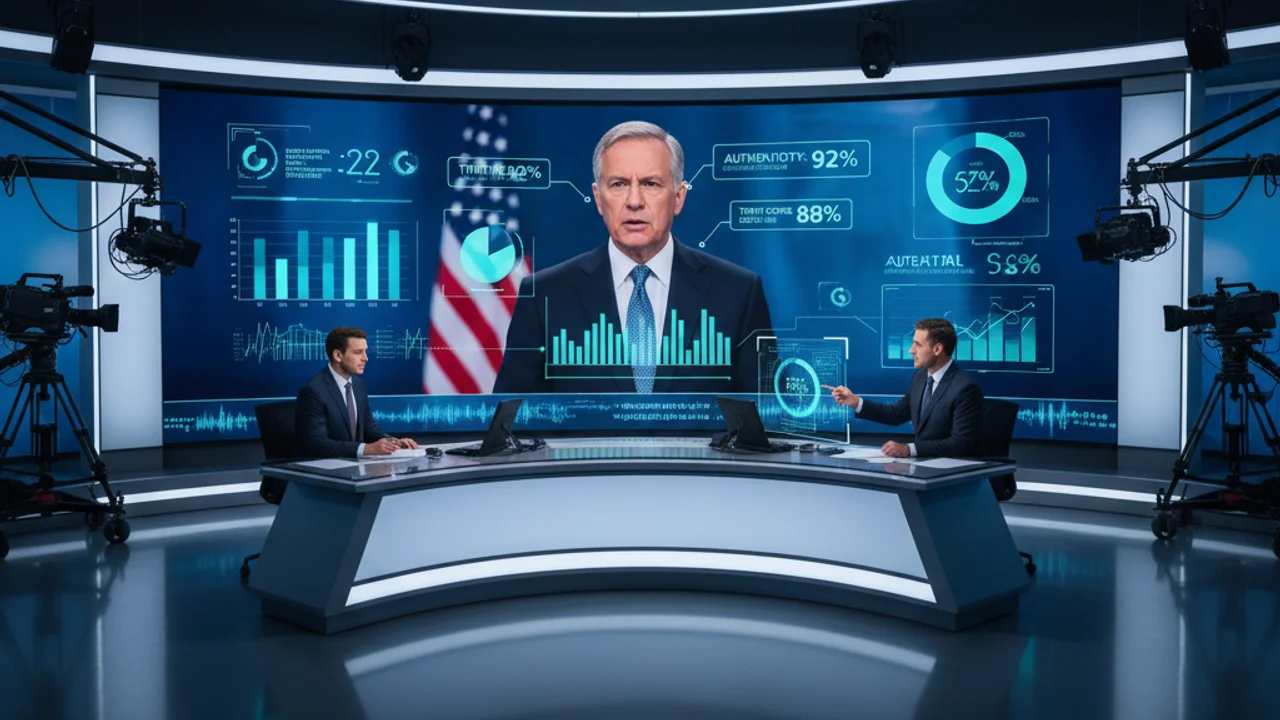
Three days before a national election, a video appears on WhatsApp showing a leading candidate making inflammatory racist remarks at what appears to be a private fundraiser. The video is grainy enough to seem authentic, the voice is convincing, and within hours it has been forwarded millions of times. By the time fact-checkers can analyze and debunk the footage, the damage is done. Millions of voters have already seen it, and many have already cast their ballots.
This scenario is not hypothetical. Variations of it have played out in elections around the world, and the technology to create such attacks grows more accessible every month. Political deepfakes represent perhaps the most consequential application of synthetic media because they target the foundational process of democratic governance itself. Understanding how they work, how they spread, and how to counter them is essential for every citizen.
A New Weapon in Information Warfare
Disinformation in politics is nothing new. Fabricated quotes, doctored photographs, and misleading video edits have been tools of political manipulation for over a century. What deepfake technology changes is the scale, speed, and convincingness of the deception. A single individual with moderate technical skills can now produce a video of any public figure saying anything, and the result can be realistic enough to fool casual viewers and even some journalists on first inspection.
The strategic timing of political deepfakes is a critical factor. Operatives understand that a deepfake released 48 to 72 hours before an election maximizes impact while minimizing the window for debunking. This "October surprise" strategy exploits the asymmetry between the speed of viral sharing and the slower pace of verification and fact-checking. By the time the truth catches up, the narrative has already been set.
How Political Deepfakes Are Deployed
Political deepfake operations typically follow a multi-stage deployment pattern. The content is first seeded onto platforms with minimal moderation, such as Telegram channels, niche forums, or anonymous social media accounts. It is then amplified through coordinated networks of bot accounts and sympathetic influencers who share it to larger audiences. Finally, it reaches mainstream platforms where it goes viral through organic sharing by users who genuinely believe the content is real.
This layered distribution makes attribution extremely difficult. By the time a deepfake reaches mainstream visibility, its origin point has been obscured through multiple sharing hops across different platforms. The operation benefits from the natural human tendency to share shocking or emotionally charged content before verifying it, a tendency that social media's recommendation algorithms actively amplify.
Some operations go further, creating entire synthetic news segments featuring AI-generated news anchors who present fabricated stories with the visual authority of professional journalism. These synthetic news clips are particularly effective because they mimic a trusted media format, lending credibility to whatever narrative they carry.
The Messaging App Blind Spot
While much attention focuses on social media platforms like Facebook, YouTube, and TikTok, the most dangerous vector for political deepfakes may be encrypted messaging apps. WhatsApp, Telegram, and Signal are used by billions of people globally for daily communication, and their encryption means platform operators often cannot monitor or moderate the content being shared within private groups and forwarded messages.
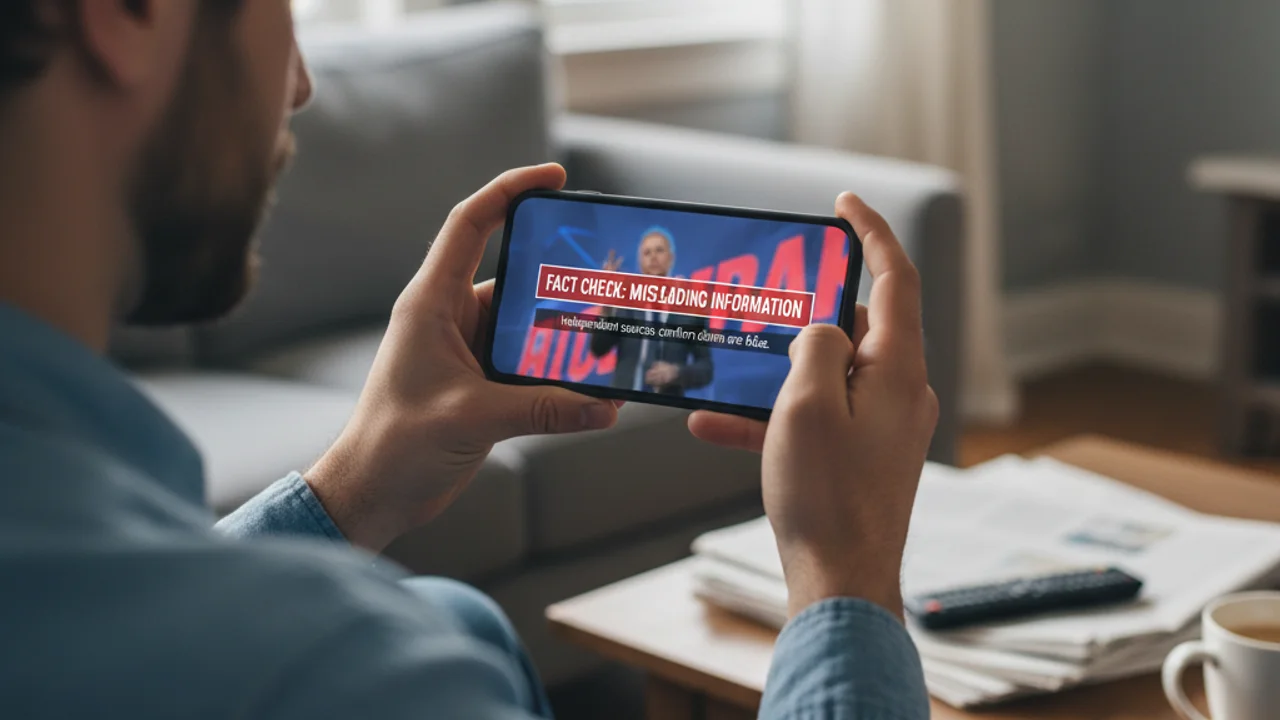
In countries where WhatsApp is a primary news source, such as India and Brazil, this blind spot is especially critical. Deepfake videos forwarded through family and community groups carry an implicit trust signal because they come from known contacts. Recipients are far less likely to question content shared by a family member or close friend than content encountered on a public social media feed. WhatsApp's forwarding limits have helped slow viral spread somewhat, but determined operators simply distribute content across hundreds of groups simultaneously through coordinated networks.
Received a suspicious political video? Verify it before sharing
The Liar's Dividend: When Everything Becomes Deniable
Perhaps the most insidious consequence of political deepfakes is not the fake content itself but the doubt it casts on all video content. When any video might be a deepfake, public figures caught on camera saying or doing something genuinely problematic can dismiss the evidence as AI-generated. This "liar's dividend" means that the mere existence of deepfake technology benefits anyone who wants to deny the authenticity of real footage.
Several politicians have already attempted this defense, claiming that authentic recordings of their remarks were deepfakes or AI manipulations. As deepfake awareness grows among the general public, this plausible deniability will become an increasingly common tactic. The erosion of trust in video evidence has implications far beyond elections, affecting journalism, law enforcement, and the judicial system.
What is the 'liar's dividend' in the context of political deepfakes?
- The profit scammers make from selling deepfake tools
- The ability to dismiss real, authentic footage as a deepfake
- The cost of running a deepfake disinformation campaign
- The advantage early fact-checkers have over deepfakes
Answer: The 'liar's dividend' means that the mere existence of deepfake technology allows anyone to dismiss genuine video evidence as AI-generated. This benefits bad actors who want to deny authentic footage of their real statements or actions.
Real Election Incidents Around the World
Documented cases of political deepfakes being used around election periods have emerged on every continent with competitive elections. Fabricated audio recordings of candidates making controversial private statements have appeared in European and Asian elections. Synthetic video of candidates endorsing opposition positions has been circulated in Latin American elections. Deepfake robocalls using cloned candidate voices have targeted voters in US primary elections, urging them not to vote.
Each incident provides a case study in both the attack methodology and the defensive response. A common pattern emerges: the deepfakes that cause the most damage are those that are plausible within the existing political narrative. A fabricated video of a candidate making an extreme statement is most effective when it aligns with pre-existing suspicions or biases that voters already hold. This targeted plausibility makes political deepfakes far more dangerous than obviously absurd fabrications.
How to Verify Political Video Content
As a voter and citizen, you can take concrete steps to avoid being manipulated by political deepfakes. The most important principle is to verify before sharing. When you encounter a political video that provokes a strong emotional reaction, that emotional intensity is itself a warning signal. Deepfakes are designed to trigger outrage, fear, or excitement that overrides critical thinking.
Check whether the content appears on the official verified channels of the person depicted. Search for coverage from multiple established news organizations. If a dramatic political statement is only circulating on social media and messaging apps without any mainstream news coverage, it is very likely fabricated. Apply the visual detection techniques from our deepfake spotting guide to examine the footage yourself.
For rapid verification, use Truvizy's free video analysis tool to scan any suspicious political video. The AI-powered analysis checks for manipulation signals that are invisible to the human eye, providing a trust score and detailed breakdown within seconds. In election season, those few seconds of verification can prevent you from amplifying disinformation to your own contacts. For newsrooms and political organizations handling high volumes of content, Truvizy's professional plans provide the throughput and forensic detail needed for systematic content verification.
Protect democracy, verify political videos before you share
Institutional and Platform Responses
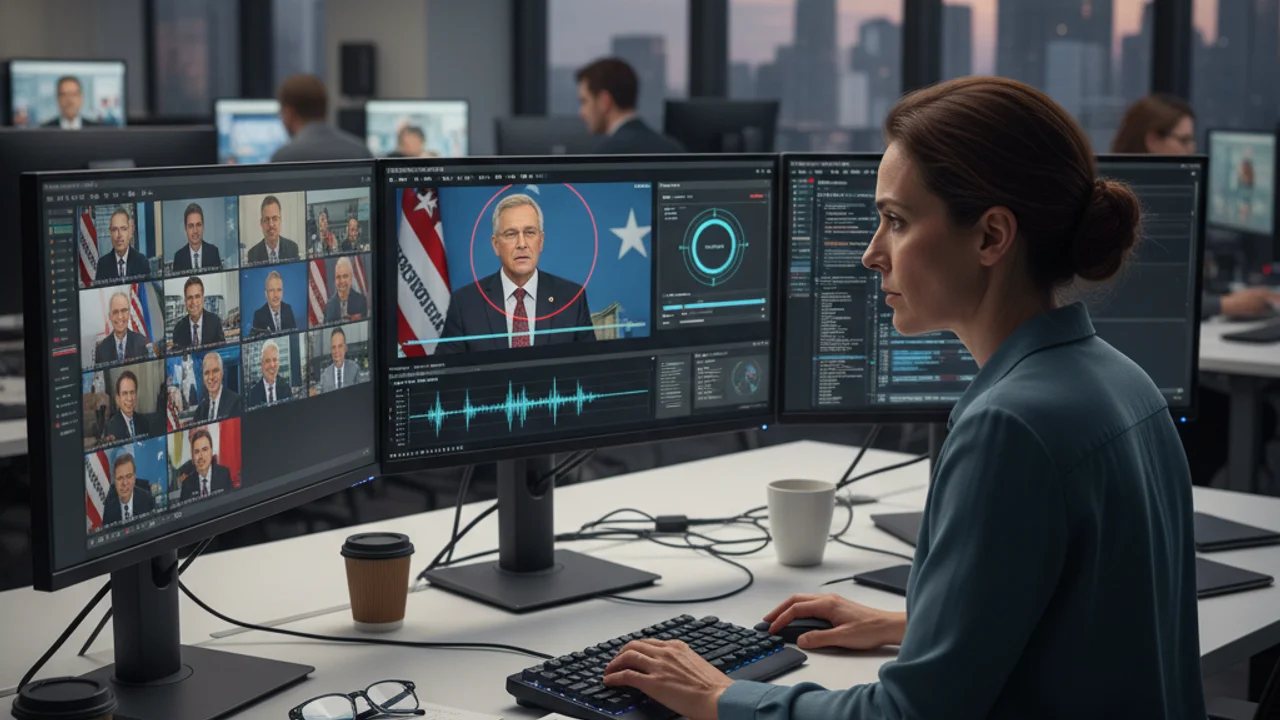
Addressing political deepfakes requires action at every level: individual, platform, and institutional. Social media companies have begun implementing synthetic media labels, requiring creators to disclose when content is AI-generated, and partnering with fact- checking organizations for rapid verification during election periods. These measures help but remain insufficient given the speed at which deepfakes spread and the difficulty of detecting them in encrypted messaging environments.
Election commissions and government agencies in multiple countries have established rapid-response teams specifically for synthetic media threats during election periods. Some jurisdictions have created legal frameworks that impose criminal penalties for distributing deepfakes intended to influence elections within specified timeframes before voting. While enforcement remains challenging, these legal tools provide important deterrence and recourse.
The long-term solution will likely involve a combination of content provenance standards that authenticate media at the point of creation, platform-level detection that flags synthetic content before it goes viral, media literacy education that teaches citizens to question video evidence, and legal frameworks that hold creators and distributors of malicious political deepfakes accountable. Until that comprehensive infrastructure is in place, individual vigilance remains the most important line of defense. Every time you verify before sharing, you are actively defending the integrity of democratic discourse.
Key Takeaways
- Political deepfakes are timed for maximum impact, be especially cautious about viral political content in the days before elections
- Encrypted messaging apps are the most dangerous distribution vector because moderation is nearly impossible
- The "liar\
- ,
Related reading: How to Spot a Deepfake Video: Master the visual and audio techniques for identifying synthetic media
Related reading: How to Verify Video Authenticity: Step-by-step process for confirming whether political video content is genuine
Related reading: How Truvizy Detects Scams: How AI-powered multi-layer analysis catches deepfakes humans cannot see
Frequently Asked Questions
How are political deepfakes different from other deepfakes?
Political deepfakes are specifically designed to influence public opinion or election outcomes rather than to steal money directly. They fabricate statements, create fake scandals, or simulate endorsements to shift voter behavior during critical election periods.
Which countries have been most affected by political deepfakes?
Political deepfakes have impacted elections across multiple continents, with notable incidents in the United States, India, Brazil, Turkey, Indonesia, and several European nations. Any country with competitive elections and widespread social media usage is vulnerable.
Can deepfakes actually change election outcomes?
While it is difficult to prove direct causation, deepfakes released in the final days before an election can shape narratives and voter sentiment before fact-checkers can respond. In close races, even small shifts in voter behavior can be decisive.
What are platforms doing about political deepfakes?
Major platforms have implemented policies requiring disclosure of AI-generated content, label systems for synthetic media, and partnerships with fact-checking organizations. However, enforcement remains inconsistent and often lags behind the viral spread of deepfake content.
Is there legislation against political deepfakes?
Several US states have passed laws specifically addressing deepfakes in election contexts, and the EU AI Act includes provisions for synthetic media transparency. Federal legislation in the US has been introduced but faces ongoing debate about balancing free speech concerns.