NFT Rug Pulls Explained: How to Spot a Scam Project
Learn how NFT rug pulls work, the warning signs of a scam project, and how to protect yourself before minting or buying into a new NFT collection.
· By Truvizy Research Team · 8 min read
TL;DR
NFT rug pulls occur when project creators hype a collection, collect mint revenue and secondary sales royalties, then abandon the project without delivering on promises. Warning signs include anonymous teams, unrealistic roadmaps, artificial Discord hype, and deepfake promotional videos. Always research the team, verify their identities, and scan promotional content before investing.
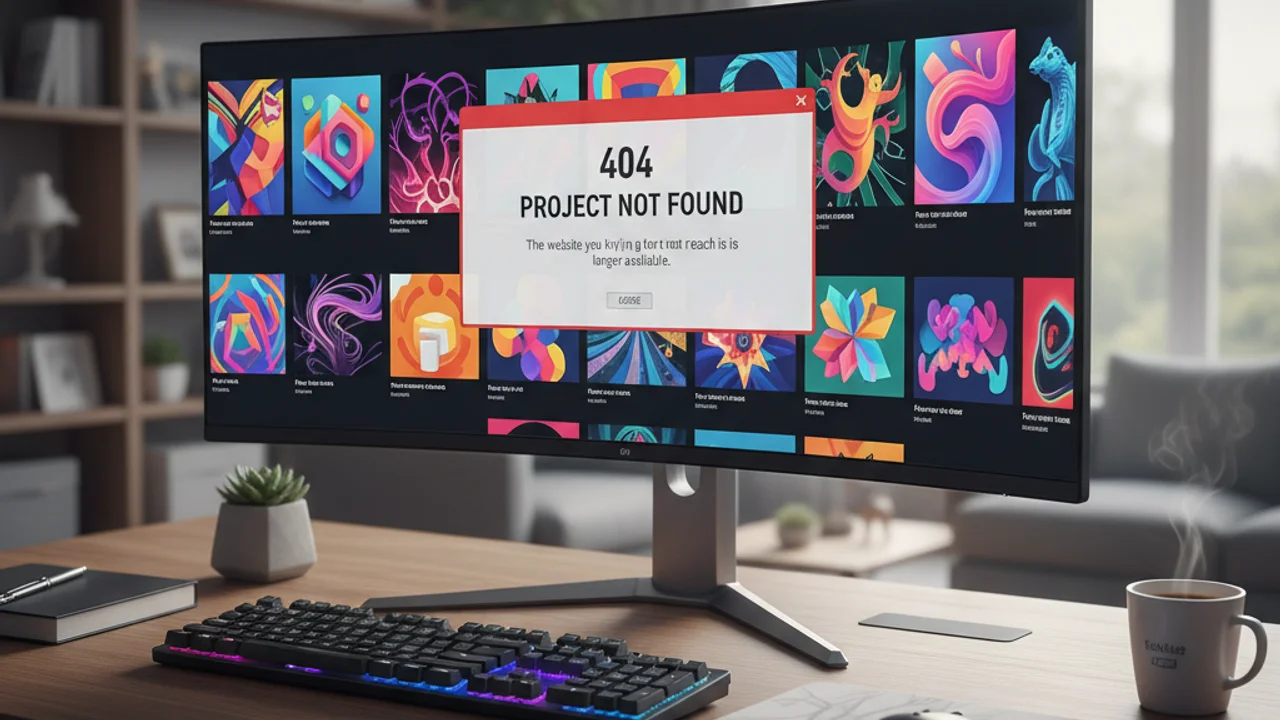
The Discord server was buzzing with excitement. The NFT project promised a play-to-earn game, metaverse integration, exclusive merchandise, and a charitable foundation. The art looked professional. The roadmap was ambitious. Influencers were promoting it. The mint sold out in minutes, generating millions in ETH. Two weeks later, the Discord server was deleted. The Twitter account vanished. The website went dark. The team was gone, along with every cent of the mint proceeds. Thousands of holders were left with worthless digital images and no recourse.
NFT rug pulls have been one of the defining fraud patterns of the Web3 era. While the NFT market has matured and overall hype has moderated since its 2021-2022 peak, rug pulls continue to claim victims, particularly among newer participants attracted by the promise of quick returns. This guide explains how rug pulls work, the warning signs you can identify before committing funds, and what to do if you have already been affected.
What Is an NFT Rug Pull?
An NFT rug pull occurs when the creators of a project collect funds from the community and then abandon or significantly underdeliver on their commitments. The "rug" metaphor refers to the sudden removal of the foundation that holders believed supported the value of their purchase: the team's commitment, the development roadmap, and the community ecosystem. Without those elements, the NFTs lose whatever speculative value they held.
Rug pulls exploit a fundamental asymmetry in the NFT space. Creators receive funds upfront through minting and often through ongoing royalties from secondary sales. Buyers, on the other hand, invest based on future promises: a game that will be built, a utility that will be added, a community that will be maintained. This temporal gap between payment and delivery creates an opportunity for bad actors to collect the former without ever providing the latter.
The Three Types of NFT Rug Pulls
The hard rug pull is the most blatant form. The team collects mint proceeds and disappears immediately, often within hours or days of the mint. Social media accounts are deleted, the website is taken down, and the Discord server is either deleted or abandoned. There is no pretense of continuing the project. The operation was planned as a scam from the beginning, with no intention of ever delivering on any roadmap promises.
The slow rug pull is more subtle and often harder to identify in real time. The team initially shows activity: posting updates, engaging with the community, and making visible progress on the roadmap. Over time, however, the updates become less frequent, the milestones slip, and the team gradually disengages. Funds are siphoned off through inflated "development costs," team member payouts, or secondary market manipulation. The project dies a slow death, and by the time holders realize it has been abandoned, the funds are long gone.
The technical rug pull involves malicious smart contract functionality. The contract may contain hidden functions that allow the creator to prevent holders from selling their NFTs, drain liquidity pools associated with a project token, modify royalty percentages to extract maximum value from secondary sales, or mint additional supply that dilutes existing holders. These technical exploits can be identified through smart contract auditing, but most retail buyers lack the expertise to perform this analysis themselves.
The Hype Machine: How Rug Pulls Build Momentum
Successful rug pulls require convincing a critical mass of buyers to commit funds, which means generating significant hype in a short period. The playbook is remarkably consistent. It begins with professional-looking art, often commissioned from legitimate artists who may not know the project's true nature. A detailed roadmap outlines ambitious plans: a token airdrop, a play-to-earn game, metaverse land, real-world merchandise, and charitable initiatives.
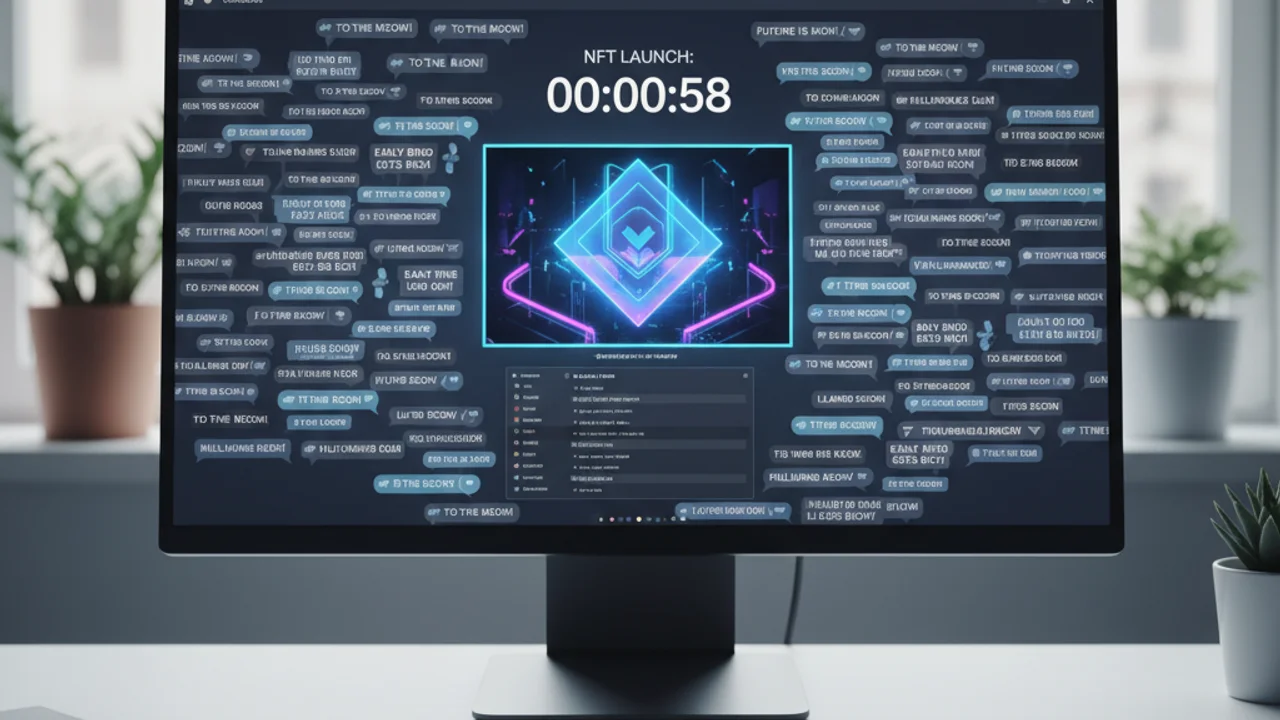
The Discord server is seeded with bot accounts and paid moderators who create the appearance of organic community enthusiasm. Artificial scarcity is manufactured through whitelist systems that make participants feel they have earned exclusive access. Influencer partnerships amplify the reach, with crypto and NFT influencers receiving free mints or direct payment in exchange for promotional content. The combination creates a fear of missing out that drives buyers to commit without adequate due diligence.
This manufactured hype follows patterns remarkably similar to those seen in crypto pump and dump operations . The mechanics are different but the psychology is identical: create artificial urgency, manufacture social proof, and exploit the fear of missing a profitable opportunity.
Evaluating an NFT project? Scan team introduction videos and promotional content for deepfakes.
Deepfakes in NFT Promotion
The integration of deepfake technology into NFT promotion has added a dangerous new layer to the rug pull playbook. Project creators use deepfake videos in several ways: fabricating endorsements from well-known figures in the crypto and tech space, creating synthetic "team introduction" videos that present fictional developers with professional backgrounds, and producing fake partnership announcements that appear to show executives from major companies endorsing the project.
These synthetic endorsements are particularly effective because NFT buyers have learned to look for "doxxed teams" as a safety indicator, meaning teams whose members show their faces and real identities. Deepfake technology undermines this safeguard by allowing scammers to present realistic but entirely fictional team members in video introductions and live AMAs (Ask Me Anything sessions). The same techniques used in celebrity deepfake financial scams are directly applied to NFT project promotion.
When evaluating an NFT project, scan any promotional videos, team introductions, or partnership announcement videos through Truvizy's free video analysis tool. Detecting a deepfake in a project's promotional material is one of the strongest possible indicators that the project is fraudulent.
Related reading: Fake Review Detection: How to spot manufactured social proof in Discord and crypto communities
Warning Signs of an NFT Rug Pull
Several consistent warning signs distinguish rug pulls from legitimate projects. Anonymous or pseudonymous teams are the single strongest risk indicator. While pseudonymous participation is common in crypto culture, a project asking for significant financial investment while providing no verifiable team identities carries inherently higher risk. Even "doxxed" teams should be verified independently rather than trusted based on the team's own claims.
Unrealistic roadmaps that promise a game, metaverse, token, merchandise, and charitable foundation for a project raising a few hundred ETH should trigger skepticism. Building any one of those deliverables requires significant capital, time, and specialized expertise. Promising all of them simultaneously is a red flag that the roadmap exists as a marketing tool rather than a genuine development plan.
Other warning signs include high concentration of mint allocation to the team, absence of a smart contract audit from a reputable firm, excessive promotional spending relative to development activity, community management that suppresses critical questions, and a Discord server where the primary activity is hype rather than substantive discussion about the technology or art. For visual detection of deepfake promotional content, refer to our deepfake spotting guide .
An NFT project has professional art, a detailed roadmap promising a game, metaverse, token, and merchandise, and a Discord server with 50,000 members. Is it safe to mint?
- Yes, the large Discord community proves legitimate demand
- Yes, the professional art shows the team is serious
- Not necessarily, professional art, ambitious roadmaps, and large Discord servers can all be manufactured cheaply
- Yes, the detailed roadmap guarantees delivery
Answer: Every element of the rug pull playbook, professional art, ambitious roadmaps, and large Discord communities, can be manufactured at low cost. Art is commissioned from legitimate artists, roadmaps cost nothing to write, and Discord servers are seeded with bots. None of these elements prove the team will deliver.
Your Due Diligence Process
Before minting or buying into any NFT project, follow a structured due diligence process. Research the team: verify their identities through LinkedIn, previous projects, and independent sources. Review the smart contract on a block explorer and check whether it has been audited by a recognized firm. Evaluate the roadmap against the project's resources: does the team have the skills and capital to deliver what they are promising? Assess the community for signs of organic versus manufactured engagement. And critically, scan any video content associated with the project for deepfake indicators.
Apply the principle that the more a project relies on hype, urgency, and emotional excitement rather than verifiable substance, the higher the probability of a rug pull. Legitimate projects are built on transparent teams, audited contracts, realistic timelines, and communities focused on the technology and art rather than floor price speculation.
Related reading: Social Engineering Attacks: How scammers use FOMO and manufactured urgency to override your judgment
What to Do After a Rug Pull
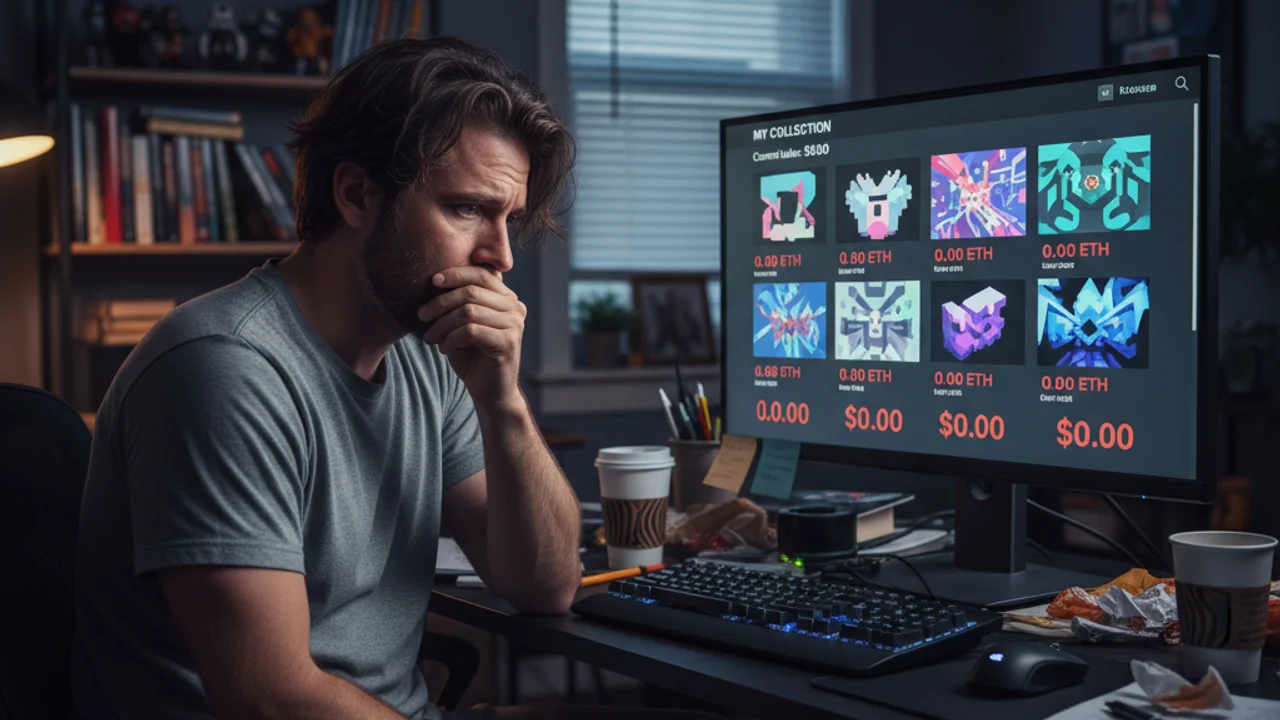
If you have been affected by a rug pull, document everything: screenshot the website, Discord, social media accounts, and all communications before they are deleted. Preserve blockchain transaction records. Report to the platform where the project was listed, file with the FTC and IC3, and consider joining or initiating a class action if the team can be identified. Share your experience publicly to warn others and contribute to community databases that track known scam projects.
Protect yourself before minting with advanced deepfake detection and scam analysis.
For ongoing protection against NFT and crypto fraud, Truvizy's premium plans offer the advanced video analysis capabilities needed to verify promotional content, team introduction videos, and partnership announcements before committing funds. In a market where trust is manufactured as easily as it is destroyed, automated verification is not a luxury but a fundamental part of responsible participation in the digital asset ecosystem.
Key Takeaways
- NFT rug pulls come in three forms: hard (immediate disappearance), slow (gradual abandonment), and technical (malicious smart contract functions).
- Professional art, ambitious roadmaps, and large Discord communities can all be manufactured cheaply and are not proof of legitimacy.
- Deepfake "doxxed team" videos undermine the most common safety check, always verify identities through independent sources.
- Never mint under time pressure. If you cannot take 24 hours to research a project, the risk is too high.
Related reading: How Truvizy Detects Scams: The technology behind AI-powered scam and deepfake detection
Frequently Asked Questions
What is an NFT rug pull?
An NFT rug pull is when the creators of an NFT project collect funds from buyers through minting and secondary sales, then abandon the project without delivering the promised roadmap, utility, or community benefits. The term comes from the phrase "pulling the rug out" from under investors.
How much money has been lost to NFT rug pulls?
Billions of dollars have been lost to NFT rug pulls collectively since the NFT boom began. Individual rug pulls have ranged from tens of thousands to tens of millions of dollars, with some high-profile cases involving major celebrity-endorsed collections.
Can smart contract analysis help prevent rug pulls?
Yes. Reviewing the smart contract can reveal dangerous functions like the ability to prevent transfers, modify royalty percentages, or withdraw pooled funds. However, not all rug pulls involve technical exploits. Many simply involve the team walking away from a legitimate-looking project.
Are celebrity-endorsed NFT projects safer?
Not necessarily. Several celebrity-endorsed NFT projects have been accused of or confirmed as rug pulls. Celebrity involvement can be a hype mechanism rather than a quality signal. Additionally, some celebrity endorsements are fabricated using deepfake technology.
What legal recourse do NFT rug pull victims have?
Legal recourse depends on the jurisdiction and whether the team can be identified. The SEC has brought cases against some NFT projects under securities law. Class action lawsuits have been filed against identifiable project creators. Anonymous teams are nearly impossible to pursue legally.